 Wishlist
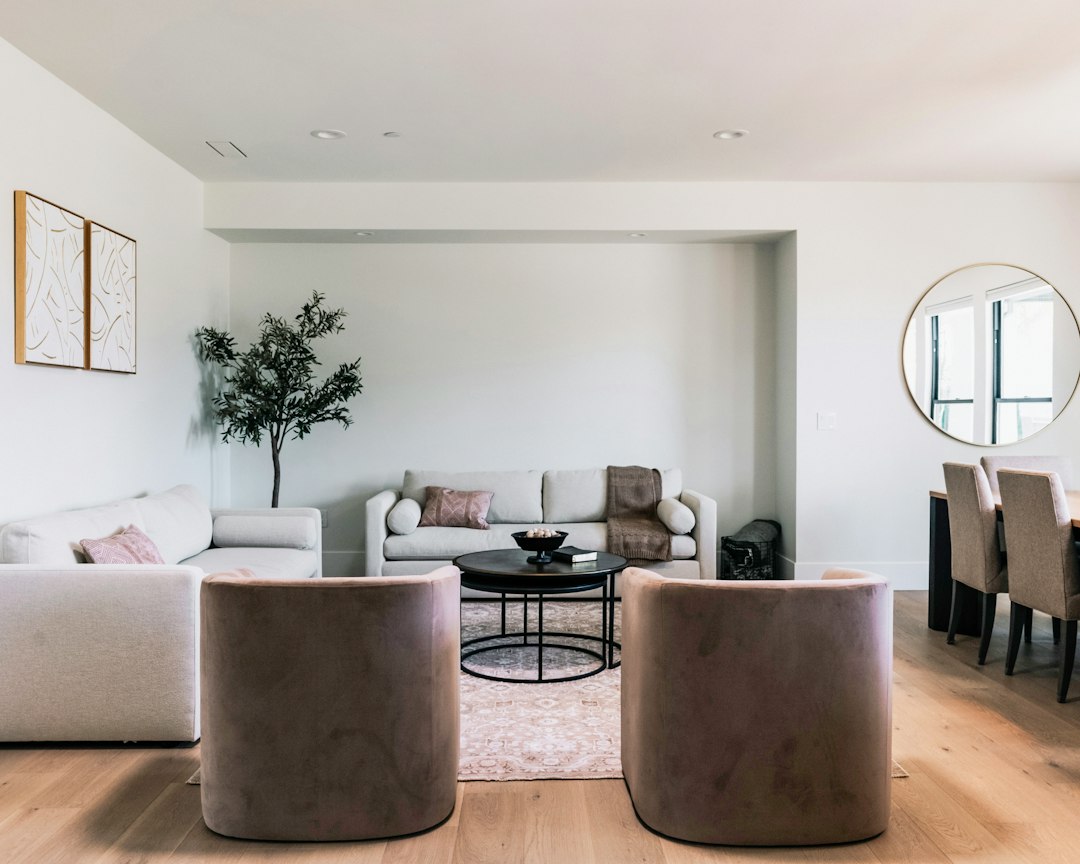
Start with one immediate change that feels comforting
To make living room cozy quickly, adjust what you touch and see most: lighting, a soft throw, and a defined seating area. Those three changes alone shift a room from “functional” to “inviting” in an evening.
1. Swap harsh overheads for layered, warm lighting
Replace a single bright ceiling light with a mix: table lamps, floor lamps and a dimmable overhead if possible. Aim for bulbs labeled 2700K–3000K (warm white) and place lights at different heights—near a reading chair, beside the sofa and on a console—to create pockets of glow instead of flat illumination.
2. Layer soft textiles for touchable warmth
Introduce one plush throw and two textured pillows in different sizes. A faux-fur or chunky knit throw draped over the arm of your sofa invites use; textured pillows break up flat upholstery. Consider the blunique Ultra Soft Cozy Faux Fur Throw (product ID 690) as a tactile, high-impact choice that’s easy to add and remove seasonally.
3. Anchor the room with a properly sized area rug
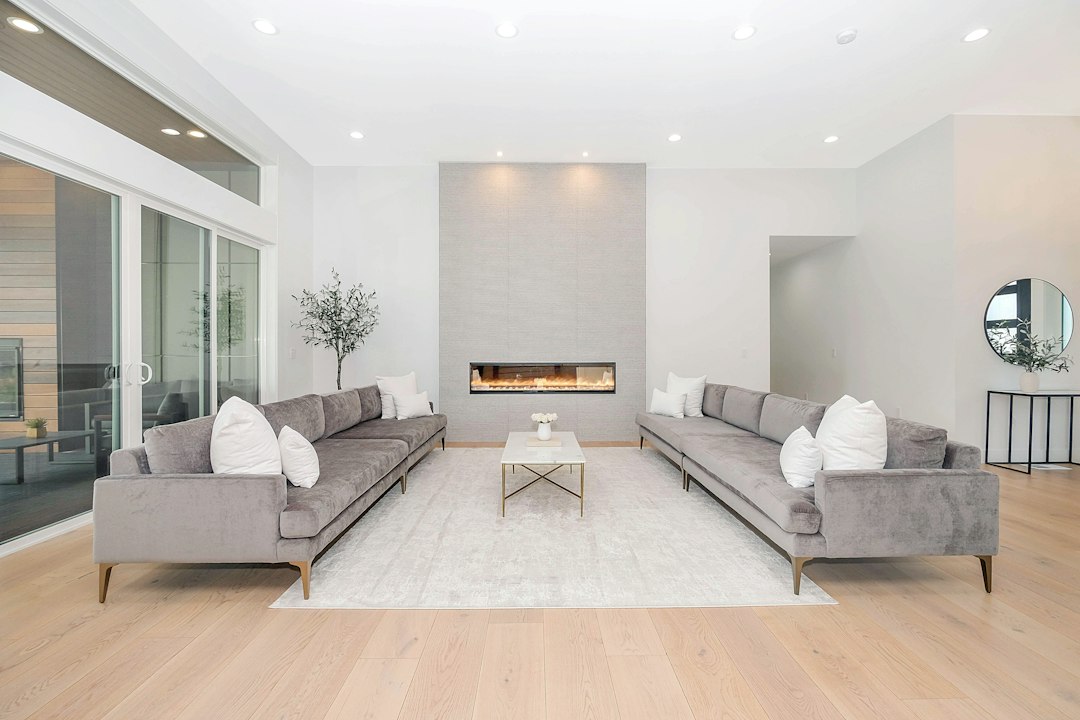
A rug defines the seating area and absorbs sound. For small living rooms, let the front legs of sofas and chairs rest on the rug; for larger spaces, aim for all furniture to sit fully on it. Choose a rug with a subdued pattern or warm tones to unify furniture and mask wear.
4. Rearrange furniture for conversation and flow
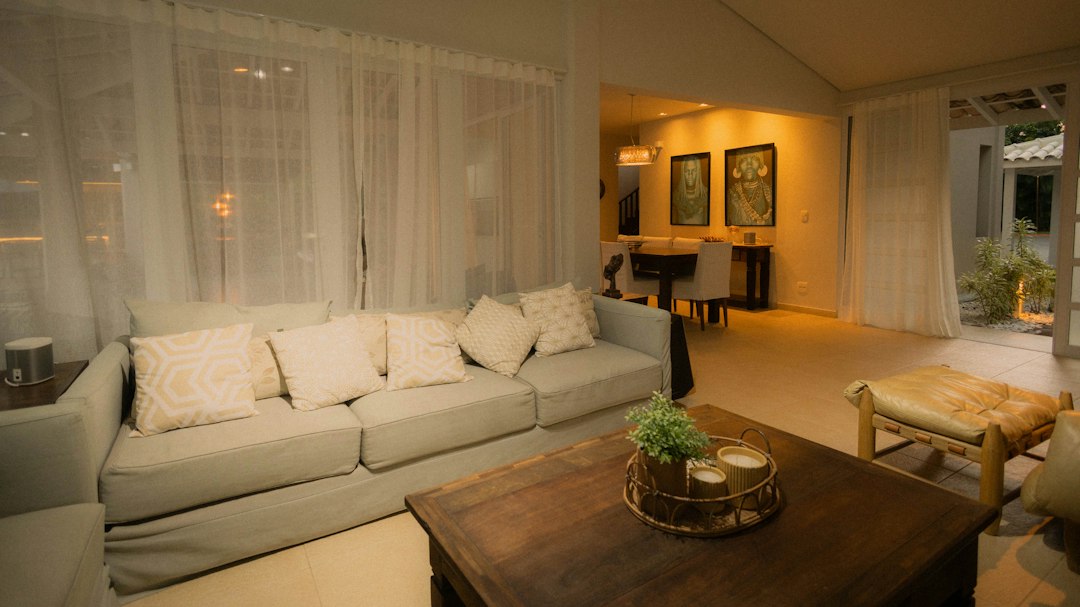
Cozy is social: pull seating inward about 12–18 inches from walls when space allows, and angle a chair slightly toward the sofa to invite conversation. Keep a clear path for traffic—if you must compromise, prioritize an intimate seating cluster over a symmetrical but distant layout.
5. Create a reading nook or small activity corner
A single comfortable chair, a side table and a lamp give the room purpose beyond TV. Even a compact ottoman with a stack of books and a mug can feel like a curated micro-space. Use a basket for blankets to keep the area tidy but ready.
6. Introduce natural elements to soften hard surfaces
Plants, a bowl of river stones, or a wooden tray add texture and break monotony. Choose low-maintenance plants for low-light rooms (e.g., snake plant, pothos) and use ceramic or woven planters that echo other materials in the room.
7. Mind the palette: anchor with warm neutrals and one accent
Warm neutrals—taupe, warm gray, soft beige—create a calm backdrop. Add one accent color through pillows or a small rug to give the eye a place to rest. Too many competing hues reduce the sense of shelter; fewer, repeated colors boost cohesion.
8. Use scent and sound to complete the mood
Scent is immediate: a lightly scented candle, reed diffuser or simmer pot (orange peels + cinnamon) makes a room feel lived-in. Complement with low-volume background music or a small tabletop fountain to mask echo and add a steady, calming layer.
9. Declutter visually, but keep the personal
Clear flat surfaces of unnecessary items and group objects in odd-numbered clusters (three candles, two books and a small vase). Keep a few personal pieces—framed photo, travel object—so the room feels owned, not staged. A single tray or a basket can corral small items without hiding personality.
10. Add reflective and warm surfaces for depth
Mirrors placed opposite a window increase light; metallic accents (brass lamp base, warm wood coffee table) reflect warmth. Avoid glossy chrome or stark glass in rooms aiming for softness—prefer brushed metals, matte ceramics or aged finishes.
Quick styling examples
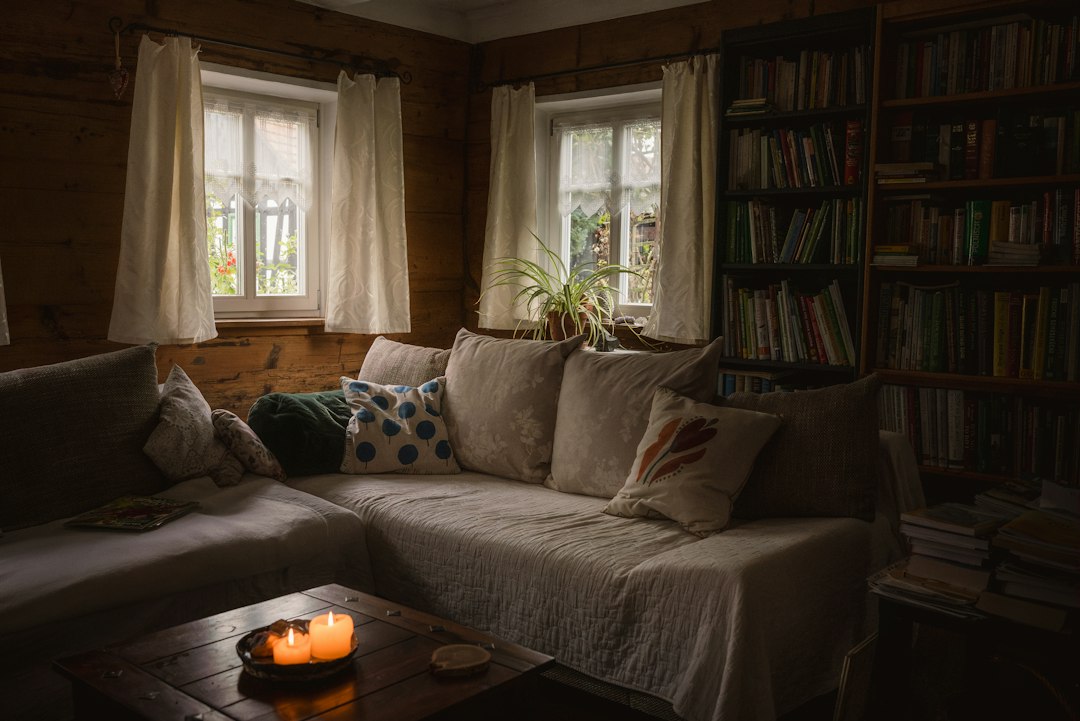
- Apartment living room: choose a medium rug that fits under sofa front legs, add a floor lamp behind a reading chair and a faux-fur throw on the sofa.
- Open-plan space: use a larger rug to anchor and face seating inward; add a console with a lamp to define the edge.
- Rental with plain walls: hang a large mirror over the sofa and add a gallery shelf for rotating small art and plants.
Checklist before you start
- Do you have at least two light sources besides the ceiling?
- Is there a soft throw and two mixed-texture pillows accessible?
- Does your rug at least touch the legs of main seating?
- Have you cleared flat surfaces of unrelated clutter?
- Is there a small area dedicated to reading or relaxing?
Focus first on touchable comfort and layered light—those deliver immediate warmth. Then add a rug to define the space, arrange seating for conversation, and finish with scent and personal objects to make the room feel like home.
How can I make a small living room feel cozy without crowding it?
Choose a smaller-scale rug that anchors seating, pull furniture slightly inward, use vertical lighting like floor lamps to keep surfaces clear, and prioritize a single tactile throw instead of many decorative items.
What colors create the coziest effect?
Warm neutrals with one accent color work best—think warm grays, beige, soft terracotta or muted greens—avoiding too many saturated hues that can feel visually loud.