 Wishlist
Quick answer: Match material and features to how you cook
If you want dependable everyday pans for eggs, sautéing and one-pot dinners, choose a nonstick skillet for low-fat cooking, a stainless-steel set (preferably tri‑ply) for browning and saucework, and a cast‑iron or enameled Dutch oven for braises and oven baking. Prioritize the cooking methods you use, the stovetop type (gas, electric, induction), and how much maintenance you’ll tolerate—those three factors will narrow the choice quickly.
How to decide: three questions that settle most purchases
Before shopping, answer these:
- What do you cook most? (eggs and pancakes vs. searing meat vs. soups/stews)
- What’s your stove? (induction needs magnetic bases; glass tops prefer flat, smooth-bottom pans)
- How much care do you want to give? (hand‑wash and seasoning vs. dishwasher-safe)
Materials and when to choose each
Nonstick (PTFE or ceramic coatings)
Best for: eggs, pancakes, delicate fish, low-fat cooking and easy cleanup. Nonstick pans prevent sticking and reduce oil use; modern high-quality coatings last longer but still wear over time.
Trade-offs: not ideal for high-heat searing, can scratch with metal utensils, and some styles are not oven-safe above moderate temperatures. Replace when coating degrades.
Stainless steel (single-ply vs tri‑ply)
Best for: searing, deglazing to make pan sauces, acidic foods (tomato-based dishes), and durability. Tri‑ply or multi‑ply constructions sandwich an aluminum or copper core between stainless layers for much more even heating and less hot‑spotting.
Trade-offs: food can stick if pans aren’t preheated properly; requires a little technique (heat, oil, then add food). Higher-quality tri‑ply is worth the extra cost for consistent results.
Cast iron and enameled cast iron
Best for: high-heat searing, oven-to-stove recipes, slow braises, and long-term durability. Classic cast-iron needs seasoning but gets a natural nonstick surface; enameled cast iron avoids seasoning and handles acidic foods well.
Trade-offs: heavy, can crack with thermal shock, and raw cast iron reacts with acidic ingredients unless well seasoned.
Copper (with stainless lining)
Best for: precise temperature control—great for sauces and candy. Copper conducts heat extremely quickly and evenly.
Trade-offs: expensive, requires polishing if exposed, and almost always lined with another metal to prevent reactivity; not necessary for most home cooks.
Hard‑anodized aluminum
Best for: affordable durability with better heat conduction than basic aluminum, often used for nonstick bases. It resists warping and scratches more than soft aluminum.
Trade-offs: usually not induction-compatible unless a magnetic base is added; check oven-temperature limits.
Practical choices for common cooks
If you cook a few dinners a week and want low maintenance: choose a good nonstick skillet (10–12") for eggs and a tri‑ply stainless saucepan (2–3 qt) for sauces and grains. Add an enameled Dutch oven for stews.
If you entertain, sear and roast frequently: prioritize a set of tri‑ply stainless pans and at least one heavy cast‑iron skillet. Stainless gives the control for searing and sauce-making; cast iron gives the depth for oven finishing and high-heat sears.
Cookware sets vs buying singles
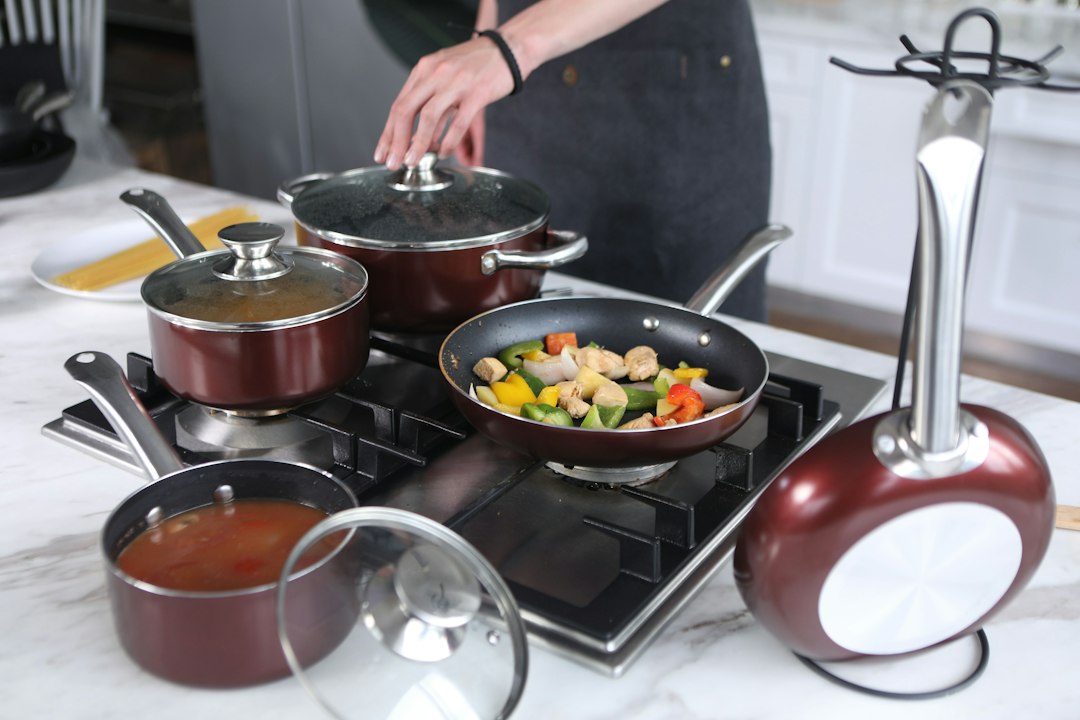
Sets save money and give matched lids and stacking storage, but they often include pieces you won’t use. Buy singles when you know what you need—invest in a high-quality frying pan and a good saucepan first, then add specialty pieces: wok, griddle, or stockpot as required.
What to look for in a pan beyond material
- Base thickness and construction—thicker, multi‑ply bases heat more evenly and resist warping.
- Flat, smooth bottoms for glass-top stoves; fully magnetic bases for induction.
- Comfortable, riveted handles and well-fitting lids—small details that affect daily use.
- Oven-safe temperature rating if you plan to finish dishes in the oven.
- Warranty and brand reputation for long-term performance.
Care and lifespan: what maintenance really means
Nonstick: hand wash when possible and avoid metal utensils; replace when coating flakes or performance drops.
Stainless steel: can be dishwasher-safe but hand-washing preserves finish; remove burnt food by deglazing with liquid and simmering briefly.
Cast iron: season and dry immediately after washing to prevent rust; occasional re-seasoning restores nonstick qualities.
One product that helps most kitchens
If you want a single, reliable set to start with, a hard-anodized nonstick cookware set is a versatile, low-maintenance option for everyday cooking and is a strong value for busy cooks.
When to invest more (and when to save)
Invest in a quality stainless skillet or a heavy cast-iron skillet if you sear meats or host often—these last decades when cared for. Save on secondary pieces like a small saucepan or specialty pans you rarely use.
Quick compatibility checklist before you buy
- Confirm induction compatibility if you have an induction cooktop.
- Check oven temperature limits for lids and handles.
- Look for replacement-lid availability and warranty terms.
- Test balance and handle comfort in-store if possible.
- Identify your three most common meals to match cookware types.
- Verify stovetop compatibility (induction, glass, gas).
- Decide how much maintenance (seasoning/hand-wash) you’ll accept.
- Choose tri‑ply or heavy-base pieces for frequent searing.
- Buy singles first (skillet, saucepan, Dutch oven), then expand.
Choose cookware by matching material to cooking tasks and your stove. A nonstick skillet, tri‑ply stainless saucepan, and a Dutch oven form a flexible core; add or upgrade based on searing frequency and oven use.
Is tri‑ply cookware worth the extra cost?
Yes for most home cooks—tri‑ply spreads heat evenly and reduces hot spots, making it easier to brown and simmer reliably.
Can I use nonstick on induction stoves?
Only if the pan has a magnetic base; check the product specs for induction compatibility.
How often should I replace nonstick pans?
Replace when the coating shows scratches, peels, or consistent sticking—typically every 3–7 years depending on use and quality.
Do I need a full cookware set?
No. Start with essential singles (10–12" skillet, 2–3 qt saucepan, 5–6 qt Dutch oven) and add specialty pieces only as needed.
Are enameled Dutch ovens worth it?
Yes if you want heavy‑duty heat retention without seasoning; they’re excellent for braises, soups and oven cooking.