 Wishlist
Start with the finish: what “expensive” actually looks like in your home
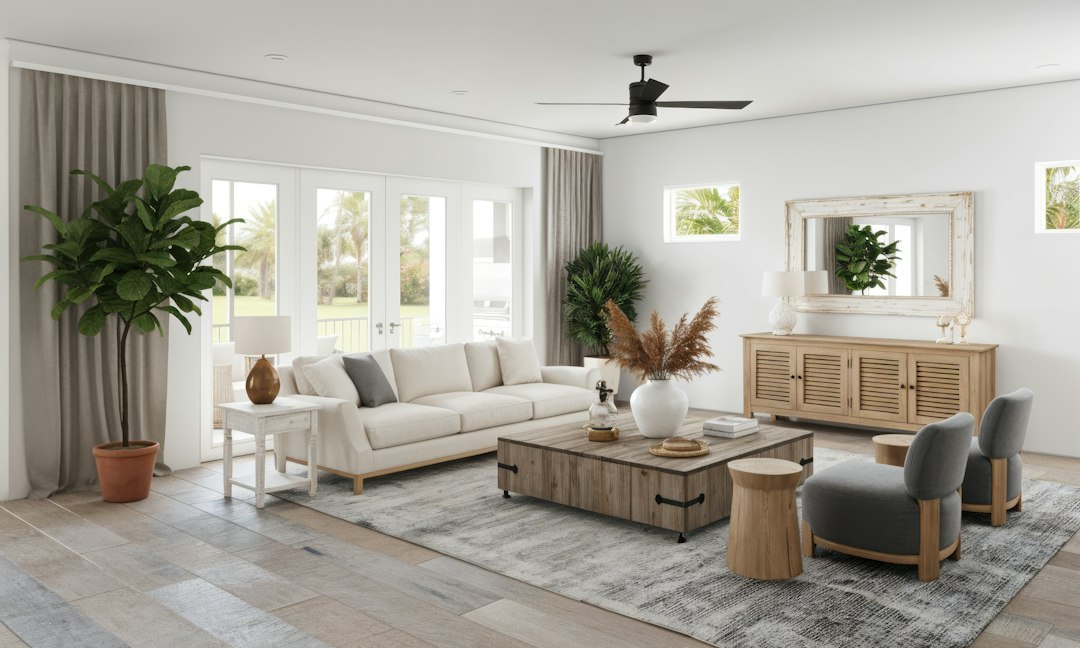
When people want their home to look expensive on a budget, they’re usually after clarity, cohesion and small cues that read as intentional: calm color palettes, consistent finishes, good lighting, and edited surfaces. You can safely ignore buying all-new furniture or chasing designer labels. Focus instead on a handful of high-impact habits that create a confident, curated look.
1. Edit first: remove clutter and create breathing room
The fastest, cheapest upgrade is subtraction. Walk each room and remove one-third of what’s on visible surfaces (books, small decor, candles). Leave only items that have a clear purpose or look deliberately chosen. A few curated pieces on a console or a single tray on a coffee table reads far more considered than many small, mismatched objects.
How to edit efficiently
- Use boxes: group items by category (papers, decor, electronics) and store or discard after 48 hours.
- Keep surfaces horizontal and repeat shapes—three similar vases, not five different ones.
- Store off-season or sentimental clutter out of sight; expensive-looking rooms feel spacious.
2. Repaint strategically: color and trim matter more than the brand
Paint transforms cheaply. Choose a calm, limited palette—soft warm whites, greige, muted greens, or deep charcoal for contrast. Paint ceilings one shade lighter than walls and paint door and window trim in a semi-gloss or satin finish for a tailored, built-in look.
Small targets for big impact:
- Front door: a saturated color or glossy finish ups perceived value instantly.
- Molding and baseboards: add a simple 3–4” trim if you can; even primed and painted stock trim looks custom when painted well.
- Paint furniture: a coat of deep-tinted paint on a thrifted dresser elevates it to a statement piece.
3. Upgrade lighting to add depth and warmth
Good lighting creates mood and highlights architecture. Replace one overhead fixture per room with a design-forward pendant or chandelier if possible, and add layered light with table and floor lamps. Choose bulbs that render warm, natural light (2700–3000K) and use dimmers where you can.
Tip on fixture placement: a pair of matching lamps on a console or matching sconces flanking a mirror reads tailored and expensive.
4. Invest in textiles: rugs, curtains and cushions that feel luxe
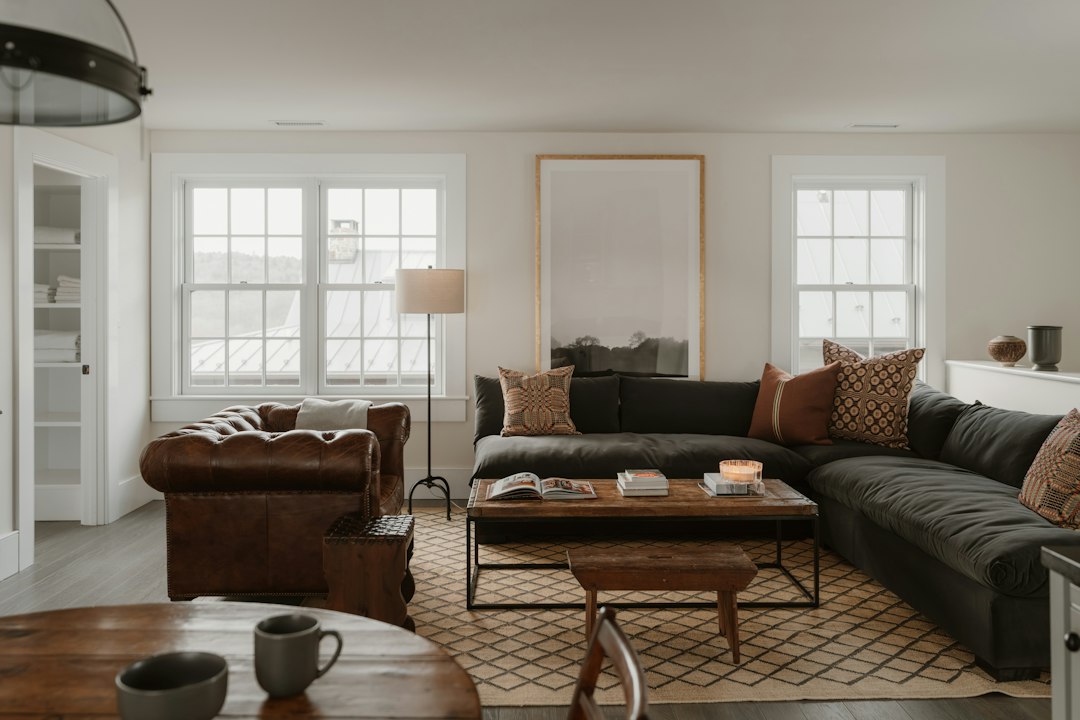
Textiles are where small investments show. Opt for natural-look or natural-fiber rugs (wool-look or jute) and layer a smaller, patterned rug over a larger neutral one to create depth. Full-length curtains hung high and wide make windows—and ceilings—feel larger; choose heavy, matte fabrics in solid colors for a sophisticated backdrop.
When it comes to cushions and throws, stick to a restrained palette and mix textures (velvet, linen, knit) rather than many bright patterns. A single well-made throw on the arm of a sofa makes the setting intentional.
5. Hardware and small finishes: swap inexpensive details for consistency
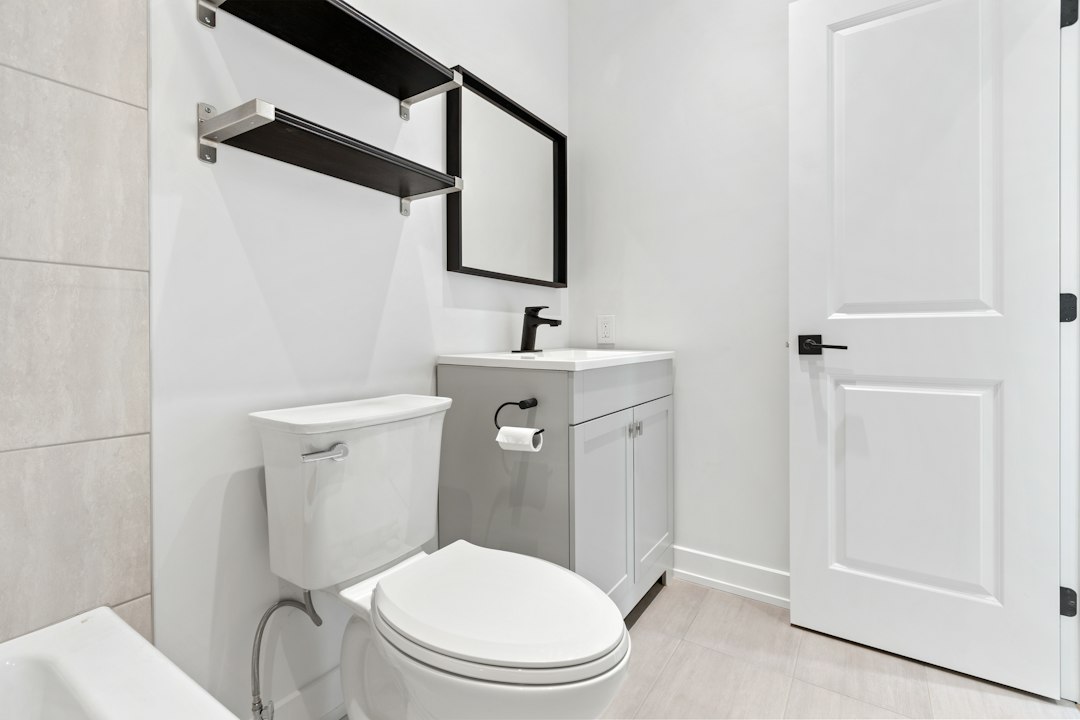
Changing cabinet knobs, door handles, and faucet finishes is relatively cheap and dramatically improves perceived quality when finishes are consistent. Pick one finish—brass, black, or brushed nickel—and use it across kitchens, bathrooms and furniture where possible.
Affordable swap list
- Replace dated knobs with simple matte black or warm brass pulls.
- Install a stylish towel bar and matching toilet paper holder in bathrooms.
- Upgrade outlet and switch plates to a cleaner, matching style.
6. Make a statement with one well-chosen accessory
A single thoughtful accessory—an oversized mirror, a ceramic vase, or a gallery-quality framed print—anchors a room. Choose proportion carefully: a too-small mirror over a sideboard looks accidental; a large mirror reflects light and creates depth.
Product recommendation: for an elegant, budget-friendly anchor piece, consider a ceramic decorative vase to group on a console or dining table. It’s versatile, adds texture, and works with fresh or faux stems.
7. Floors and tables: clean, repair, and style with restraint
Worn floors or scratched tables pull a room down. Basic fixes—refinishing a tabletop with a satin furniture oil, adding felt pads under legs, or spot-sanding and restaining visible scratches—go a long way. Keep tabletops tidy: one tray with two small objects (a vase and a book) reads curated.
8. Use symmetry and repetition to read expensive
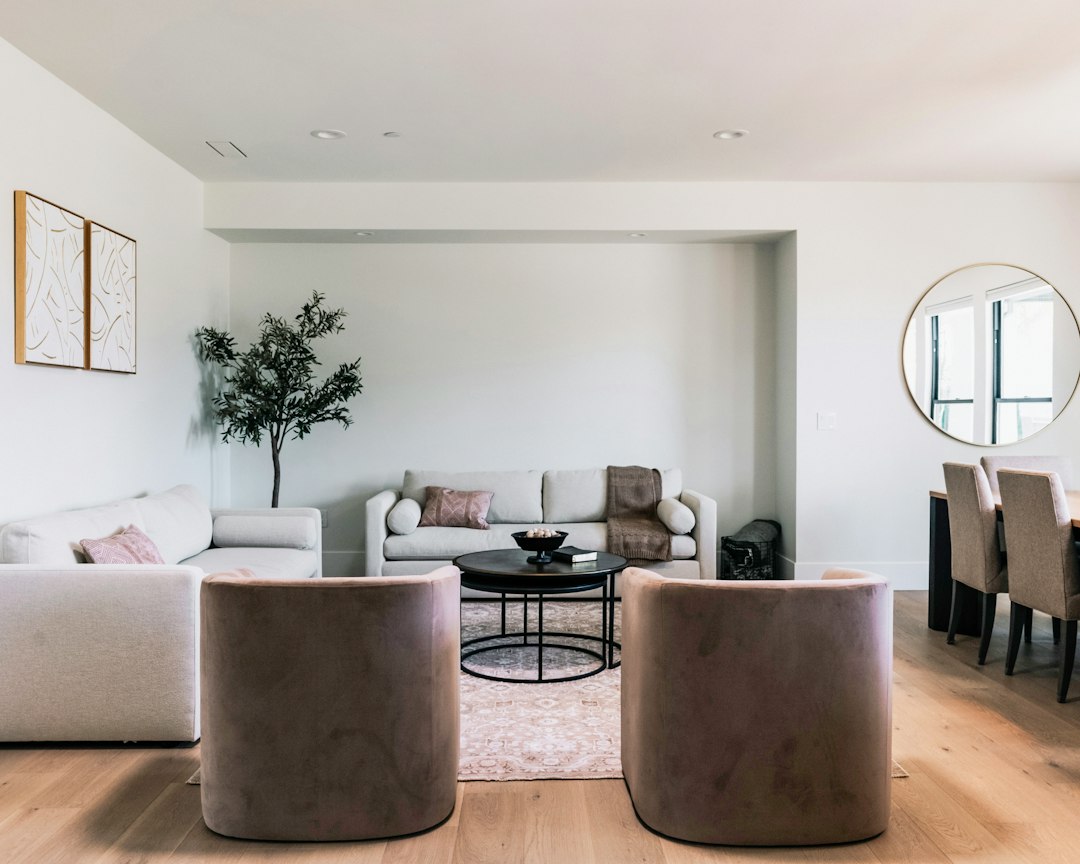
Arrange pairs where possible—two chairs, two lamps, two artwork pieces. Repeat colors or materials (wood tones, brass accents, ceramic textures) across the room to create cohesion. Human eyes read repetition as intentional design rather than random accumulation.
Troubleshooting: common pitfalls and quick fixes
- Too many patterns? Reset with solid textiles and introduce one patterned rug or pillow for interest.
- Room feels cold? Add warm light sources and a soft throw; layered rugs warm the floor visually and physically.
- Space feels small? Keep lower furniture profiles, hang curtains higher, and use one large mirror to reflect light.
Practical next steps
Pick a single room to practice these changes. Start by editing and repainting trim or one focal wall, then add or swap lighting and a key textile. Test one hardware finish across visible rooms before committing homewide.
- Clear and edit visible surfaces (remove one-third).
- Choose a cohesive palette and paint trim or one wall.
- Replace or add one statement light or pair of lamps.
- Layer textiles: rug + smaller rug or curtains + throw.
- Swap 3–5 pieces of hardware to a single finish.
- Add one large anchor accessory (mirror or ceramic vase).
Looking expensive is less about spending more and more about disciplined editing, consistent finishes, and targeted upgrades that affect perception: paint, lighting, textiles, and a single statement piece. Tackle one room at a time for measurable results.
Will painting trim really make a big difference?
Yes—painted trim in a semi-gloss finish frames walls and makes spaces feel custom and well-maintained, which reads as higher-end.
What’s the best budget splurge to make a room look more expensive?
Good lighting (a fixture plus layered lamps) and full-length curtains are the highest-return splurges for perceived value.
Can thrifted furniture look expensive?
Absolutely—refinishing, simple new hardware, and a fresh coat of paint in a cohesive palette can elevate thrift finds into signature pieces.
How do I choose a color palette that looks high-end?
Stick to 2–3 base neutrals and one accent; avoid overly saturated multiple colors. Muted tones and warm whites generally read as more sophisticated.
Are faux materials a bad idea?
No—high-quality faux textures (faux marble top, ceramic vases, wool-look rugs) can look excellent if used sparingly and paired with real materials where possible.