 Wishlist
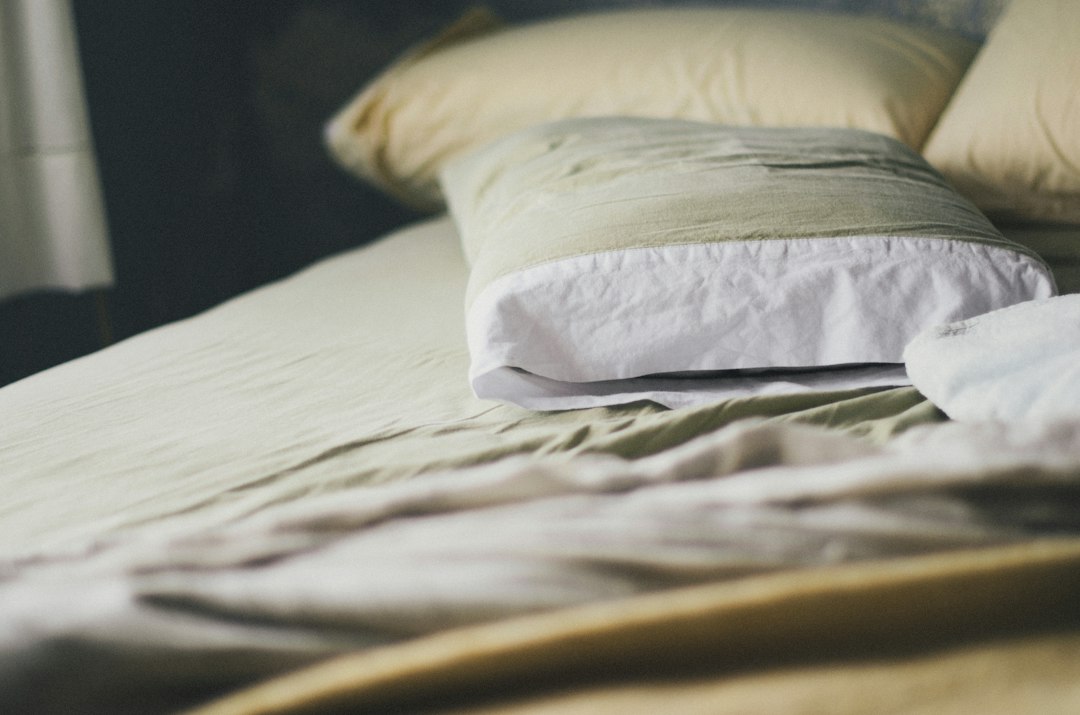
Short answer: buy bedding that matches how you sleep—material for feel and temperature, weave for breathability, fill for loft and warmth, and a protector for longevity.
Comfortable bedding isn’t one-size-fits-all. Choose fabrics and fills based on whether you run hot or cold, your sleep position, how you care for laundry, and any sensitivities. Below is a practical path to pick sheets, a duvet or comforter, pillows and protection so your bed feels consistently comfortable.
Decide your baseline: temperature, sleep style and maintenance
Ask three simple questions first: Do you sleep hot or cold? Do you prefer a smooth, silky feel or crisp, matte sheets? Are you willing to iron or air-dry delicate fabrics, or do you want easy machine care? Your answers narrow the choices quickly.
Choose sheet material and weave for feel and airflow
Sheets determine immediate contact comfort. Match material and weave to temperature and tactile preference:
- Long-staple cotton (Egyptian, Pima/Supima) — soft, durable and breathable; great year-round.
- Linen — excellent for hot sleepers; very breathable and textured; softens over time but wrinkles easily.
- Percale weave — matte, crisp, and cooler-feeling; good for warm nights or people who like a clean, airy feel.
- Sateen weave — smoother, slightly warmer and has a sheen; better for cooler sleepers or those who like a silky touch.
- Microfiber / brushed microfiber — warm and inexpensive, low-maintenance; can trap heat and sometimes feel less breathable.
Thread count matters less than fiber quality and weave. A well-made 300–400 thread-count long-staple cotton percale can feel better than a 1,000-count low-quality sheet.
Pick a duvet or comforter based on warmth and fill
Fill determines loft, warmth and how the bedding drapes. Consider climate and whether you prefer layered control or a single all-season piece.
- Down — lightweight warmth, high loft, excellent temperature regulation; care and ethics (fill power, sourcing) matter.
- Down-alternative (microfiber/polyfill) — hypoallergenic and easier to launder; heavier feel and can trap more heat depending on construction.
- Wool — naturally temperature-regulating and breathable; resists odors and is good for variable climates.
- All-season strategy — many choose a medium-fill comforter for spring/fall and add a lightweight summer blanket or a heavier winter duvet as needed.
Look for constructions like baffle boxes that keep fill distributed and avoid cold spots. Certifications such as OEKO-TEX indicate safer fabric processing when that matters to you.
Match pillow loft and firmness to your sleeping position
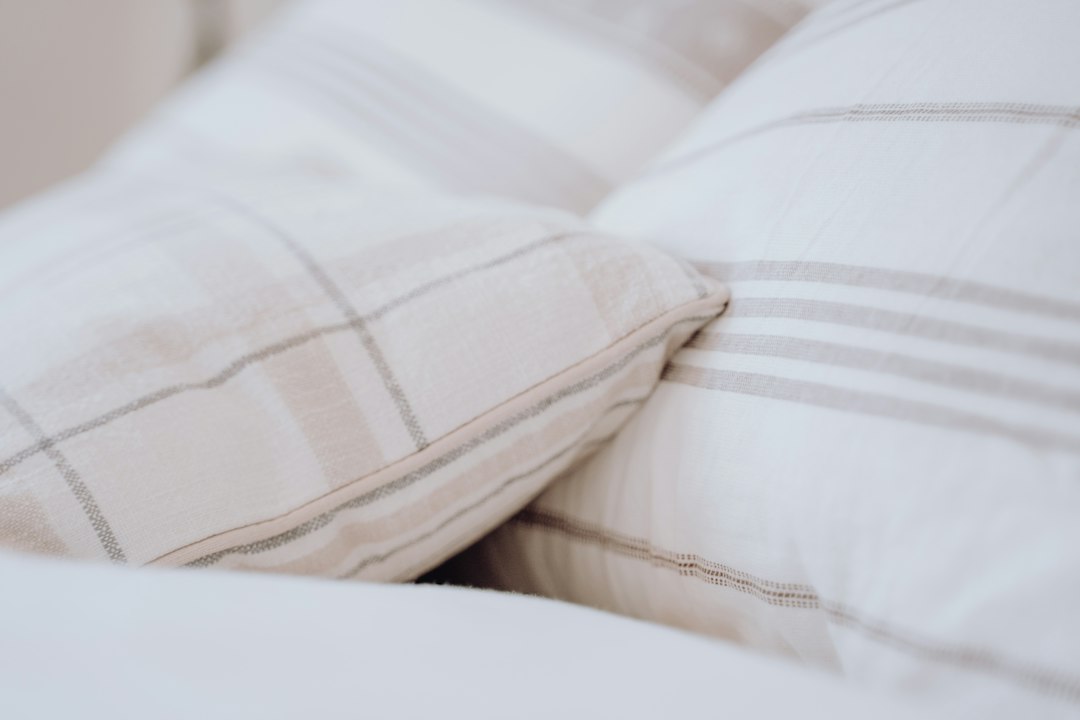
Pillows affect neck alignment and perceived comfort more than sheets. As a rule: side sleepers need higher, firmer loft; back sleepers a medium loft; stomach sleepers a low, soft pillow. Materials—down, down-alternative, latex, memory foam—have different feel and heat profiles. Consider a washable down-alternative if you want low-maintenance, or a zoned latex pillow for breathability and support.
Practical care choices that affect comfort over time
Comfort lasts when bedding survives the wash. If you want the freshest feel with minimal fuss, choose machine-washable pieces with colorfast dyes and clear care labels. Delicate fibers (silk, high-thread-count sateen) may require gentler cycles or professional cleaning. Use a mattress protector to prevent stains and allergens—this keeps sheets fresher and extends life.
One product pick to simplify your decision
If you want an easy, versatile option for most bedrooms, a medium-loft, OEKO-TEX–certified comforter set that’s machine-washable and comes with coordinated sheets accelerates comfort and style choices without juggling separate pieces.
Small details that make bedding feel luxe
Little choices change perception: a fitted sheet with deeper pockets reduces tugging; envelope or button closures on pillow shams keep inserts tidy; cotton with a soft finish (prewashed or garment-washed) feels immediately comfortable; and washing new sheets before use reduces chemical residues and improves softness.
When to choose hypoallergenic or specialty bedding
If you have allergies, prioritize tightly woven covers (encasements) for mattress and pillows and down-alternative fills labeled hypoallergenic. For sensitive skin, avoid heavy chemical finishes and prefer natural fibers or OEKO-TEX–certified fabrics that limit exposure to processing residues.
Budget trade-offs: where to spend and where to save
Spend more on sheets and pillows because they directly touch you and determine sleep quality. Save on decorative shams or a midrange duvet if you layer with a good sheet set and a protective cover. Durable materials like long-staple cotton repay investment with years of comfortable sleep.
- Identify if you sleep hot, cold or neutral.
- Choose sheet fiber (cotton, linen, microfiber) and weave (percale vs sateen).
- Decide fill type for duvet/comforter based on warmth needs and care preference.
- Select pillow loft for your sleep position and choose washable options if needed.
- Pick a mattress protector and check care labels for washability.
- Buy at least one piece that’s OEKO-TEX certified if chemical sensitivity matters.
Comfortable bedding is about matching materials and construction to your body temperature, sleep position and laundry habits. Invest in quality sheets and the right pillow first; layer with a suitable duvet and protect everything with a mattress cover to keep that comfort consistent.
Does higher thread count always mean softer sheets?
No—fiber quality and weave matter more. A lower-thread-count sheet made from long-staple cotton can be softer and more breathable than a very high-count sheet made from short fibers.
Are down alternatives as warm as down?
Down alternatives can match warmth but often need more fill weight to reach the same loft; they’re typically heavier and easier to wash, which suits allergy-prone sleepers.
What sheet material is best for hot sleepers?
Linen and percale-woven long-staple cotton are the top choices for breathability and cooling; avoid brushed microfiber if you overheat.
How often should I replace sheets and pillows?
Sheets: every 2–3 years for regular sleepers if you want peak comfort; pillows: every 1–3 years depending on loft retention and hygiene. Replace sooner if stained, flattened, or causing discomfort.
Do I need a mattress protector with breathable bedding?
Yes—protectors keep the mattress clean and allergen-free without significantly changing feel if you choose a thin, breathable protector designed for comfort.