 Wishlist
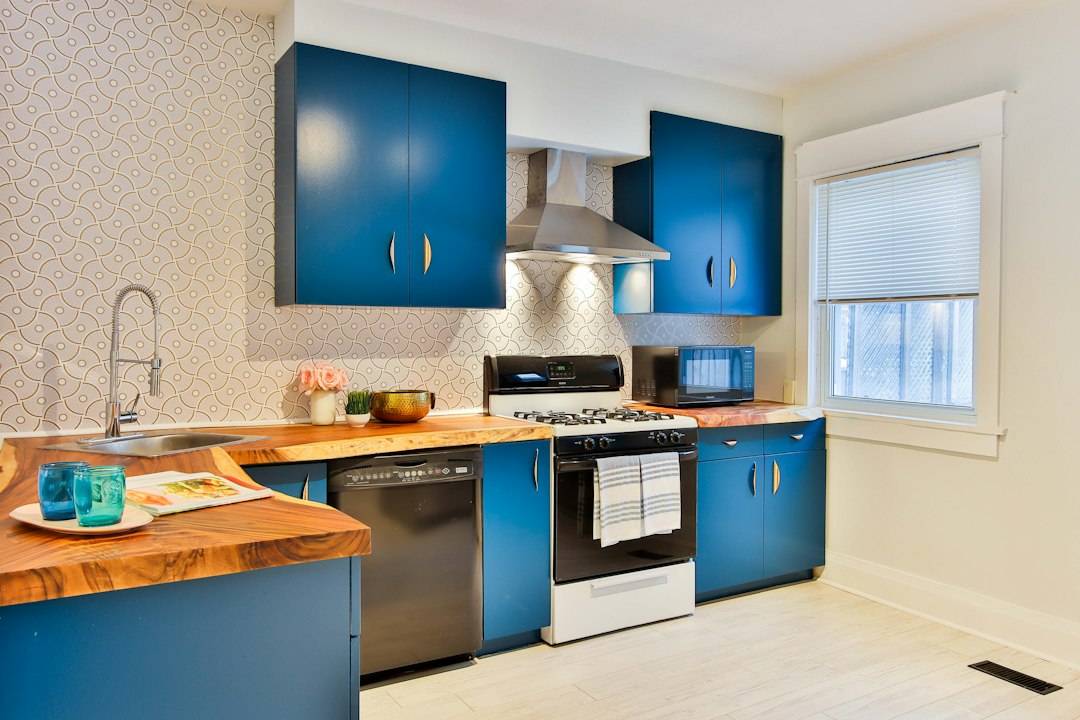
Many people assume a budget kitchen must look cheap; in reality, a few deliberate choices—layout fixes, surface swaps and cohesive accents—create a kitchen that feels expensive and works well without a huge spend. Below is a focused plan that starts with the end result and walks you through practical, ordered steps to get there.
End result: a practical, attractive kitchen you’ll enjoy every day
Picture a kitchen with uncluttered work zones, easy-to-clean surfaces, enough prep space for everyday meals, and a consistent finish (paint, hardware, lighting) that ties everything together. You’ll improve how you cook and how the room looks, without a full remodel.
Decide the practical goals before spending
Choose 2–3 outcomes that matter most: better workflow, more storage, refreshed look, or new appliances. Write these down and use them as the filter for every decision. A single clear goal—say, “create a functional breakfast zone and brighter prep area”—keeps small purchases from derailing the budget.
Fix layout bottlenecks cheaply
Start by evaluating the kitchen workflow: fridge–sink–stove should feel connected for cooking. Small changes often beat big ones:
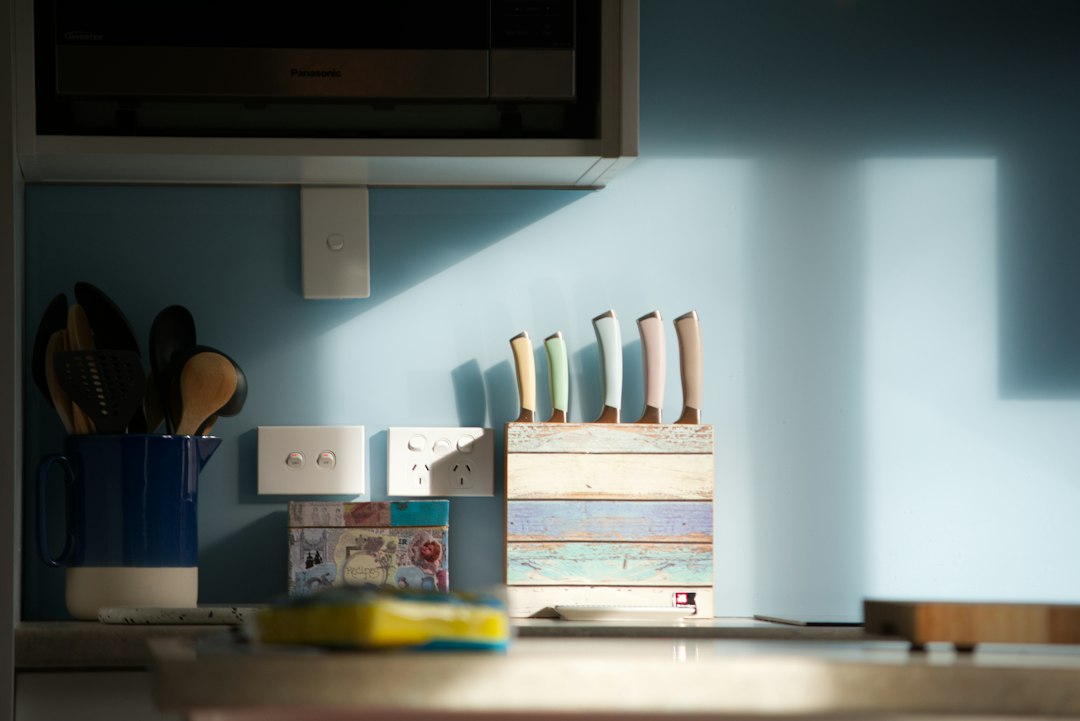
- Reposition small appliances (microwave, toaster, coffee maker) to dedicated zones to free counter space.
- Add a rolling island or cart for extra prep and storage—this mimics a costly island at a fraction of the price.
- Use drawer organizers and vertical dividers to reclaim wasted cabinet volume before buying more storage.
Refresh cabinets and surfaces that show the most
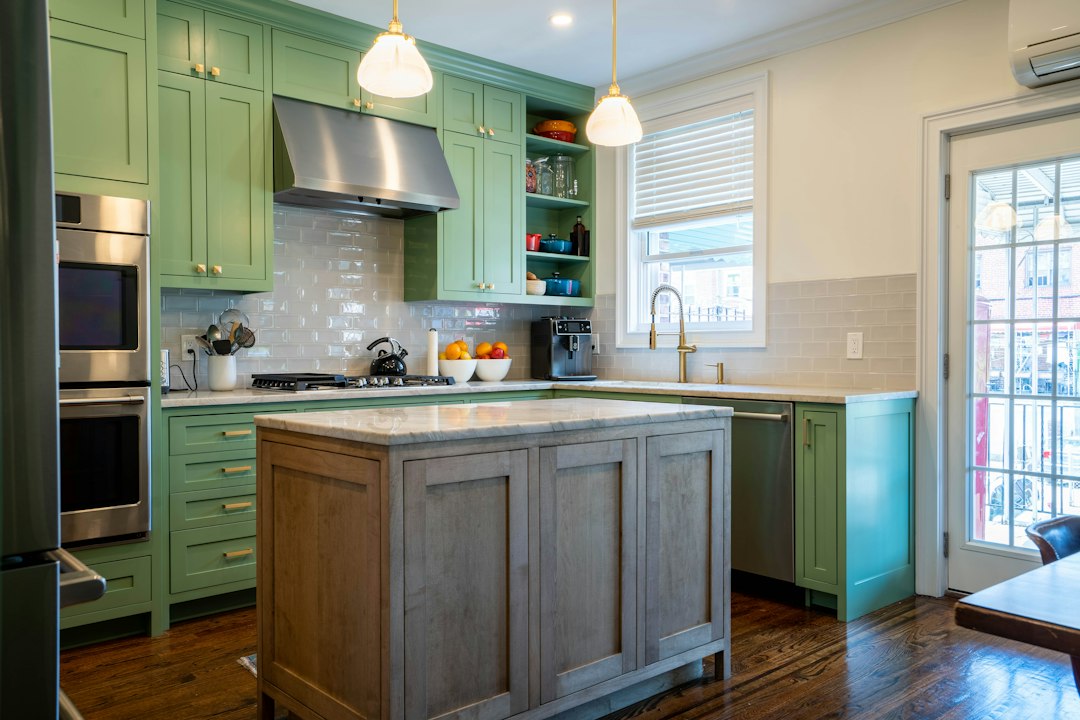
Cabinets dominate perception. The most cost-effective fixes:
- Paint existing cabinet doors in a neutral matte (soft white, warm gray, or deep blue for lower cabinets). A fresh coat transforms the whole room.
- If doors are worn, consider replacing only the most visible doors (island, upper row) or refacing door fronts rather than full replacement.
- Swap outdated knobs and pulls for one cohesive finish—matte black, brushed brass or satin nickel—to make cabinets read as intentional design.
Choose durable, budget-friendly countertops and backsplashes
If replacing countertops is out of reach, try:
- Butcher block or laminate surfaces that mimic pricier materials—laminate has improved a lot and resists stains.
- Peel-and-stick backsplash tiles or painted, grout-free panels to brighten behind the stove and sink.
- Limit splurge areas: keep a small section of higher-end material where you prep most, and use budget options elsewhere.
Upgrade lighting for daily function and perceived value
Good lighting makes a kitchen feel larger and cleaner. Prioritize:
- Install under-cabinet LED strips to remove shadows on counters; they’re affordable and easy to mount.
- Swap a dated overhead fixture for a simple pendant or semi-flush mount that matches your hardware finish.
- Use warm-but-bright bulbs (2700–3000K, higher CRI) so colors read accurately while staying cozy.
Create storage that’s visible and useful
Decluttering is cheap and effective. Then add targeted storage where needed:
- Open shelving for everyday dishes—display only a few colors to avoid visual chaos.
- Pull-out organizers, wire racks, lazy Susans and tension rods inside cabinets maximize usability without big carpentry.
- Use labeled baskets for grouping like items in pantry or under-sink areas to keep things accessible.
Choose one reliable utensil or tool to replace a hundred little frustrations
Small tools matter: a single quality utensil set and a sharp all-purpose knife improve cooking speed and enjoyment. For most kitchens, a silicone utensil set is durable, inexpensive and safe on nonstick pans. If you want an easy, highly relevant pick:
This set works for everyday stirring, scraping and serving—especially useful when you’ve refreshed surfaces but kept nonstick pans.
Decorative cohesion: finishes, textiles and a few focal objects
Limit palettes and repeat finishes to make inexpensive pieces feel considered:
- Pick two metal finishes (one for hardware, one for light fixtures or faucet) and one accent color for textiles and accessories.
- Replace dish towels, a small rug, and a utensil jar in your chosen accent color to tie the room together.
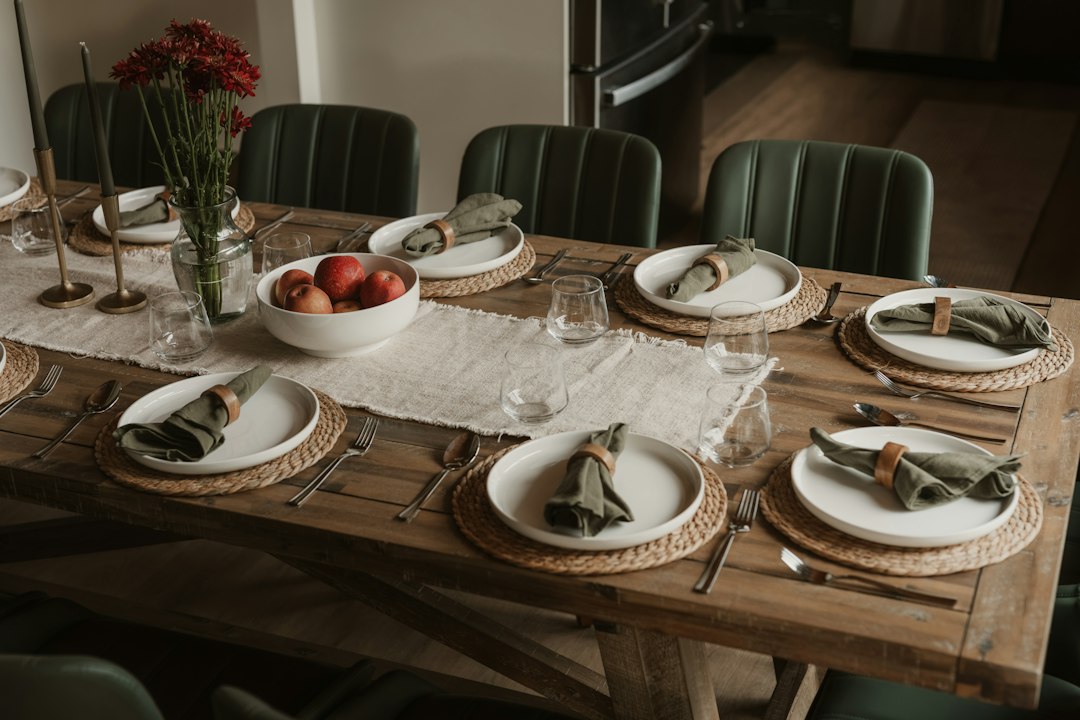
- Add one or two plants or a bowl of fruit to bring warmth without cost.
Troubleshooting common trade-offs
If your budget forces a compromise, choose function over style: prioritize a good working surface and lighting before decorative upgrades. If poor storage is your main problem, spend on organizers rather than replacing counters.
Adaptations for renters or temporary spaces
Renters can achieve big visual impact with non-permanent changes: peel-and-stick backsplash, adhesive cabinet film, new hardware on removable screws, and plug-in under-cabinet lights. A portable island doubles as storage and leaves when you move.
- Write 2–3 functional goals for the kitchen.
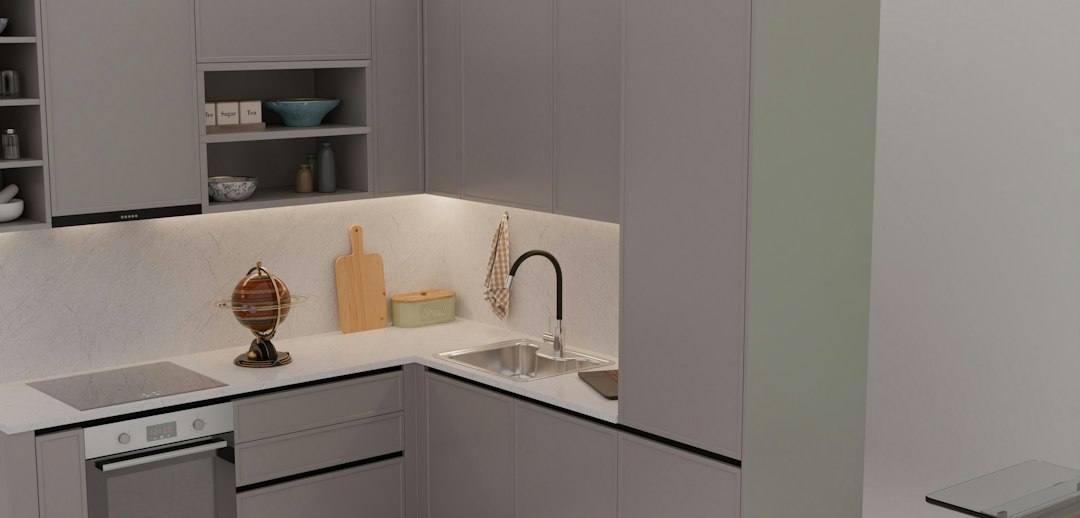
- Rearrange appliances to open counter space and create zones.
- Decide which surfaces to paint or reface (cabinets, island, backsplash).
- Install under-cabinet lighting and replace one main overhead fixture.
- Add a rolling island or targeted organizers for storage.
- Swap hardware and introduce two matching finishes and one accent color.
A beautiful, functional kitchen on a budget comes from clear priorities—fix workflow and lighting first, refresh high-visibility surfaces next, and finish with cohesive hardware and textiles. Small investments like organizers and one quality utensil set deliver outsized daily benefits.
How much should I budget for a noticeable update?
For a visible refresh—painted cabinets, new hardware, lighting and small countertops—many homeowners spend a few hundred to a few thousand dollars depending on paint quality and whether they replace countertops; prioritize by impact for the best results.
Is painting cabinets worth it?
Yes—painting can transform the room at a low cost, especially when combined with new hardware and good prep. It’s one of the highest-impact, budget-friendly updates.
What should I splurge on?
Spend where you use the most: a durable prep surface (or butcher block), good lighting and one reliable set of cookware or utensils that you’ll use daily.
Can renters still make these changes?
Absolutely—use removable options: peel-and-stick backsplash, adhesive films, plug-in lighting and portable islands or carts to avoid permanent alterations.
How do I choose a cohesive color and finish palette?
Pick one neutral base (cabinet/wall), one metal finish for hardware, and one accent color for textiles; repeat these choices to create a planned look without extra cost.