 Wishlist
Focus on what matters (and what you can ignore)
Small kitchen organization is about two measurable wins: reclaiming usable surface area and making things visible and reachable when you cook. Ignore perfect symmetry, matching sets, and “decor” staging if they steal space. Prioritize flat, stable work surfaces, a clear route between stove-sink-fridge, and systems that keep everyday tools where you actually use them.
Keep everyday items within a two-step reach
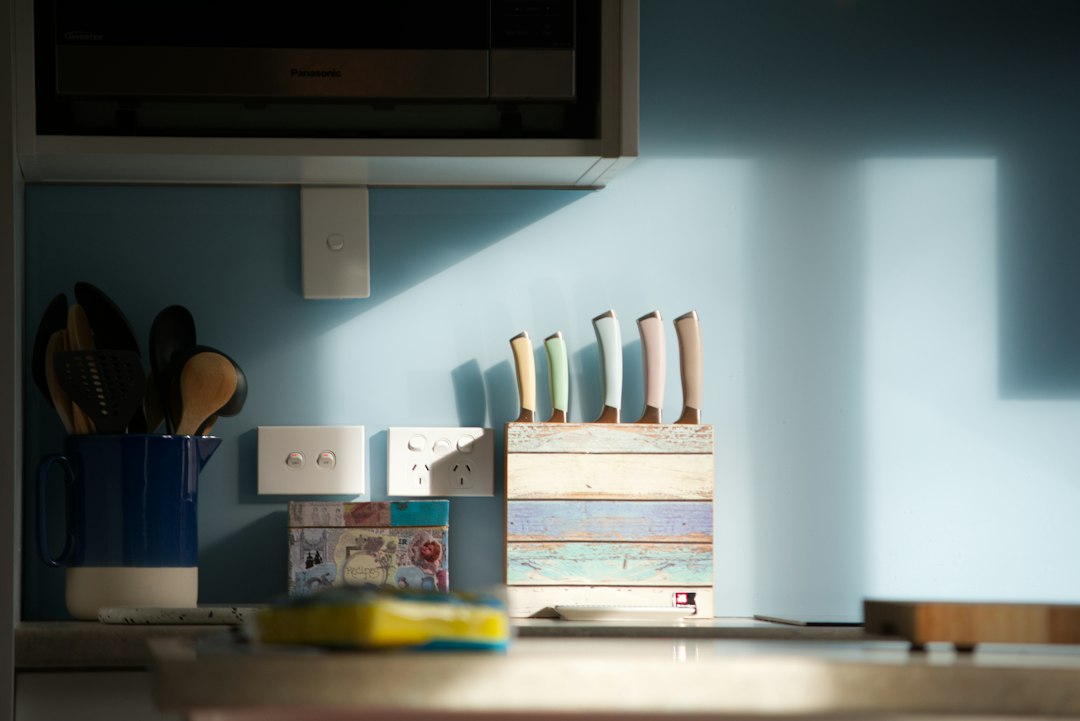
Group the 8–12 items you use most (spatula, chef’s knife, salt, cooking oil, cutting board, measuring cups, frequently used spice jar, and a dish towel) and store them within two steps of your main prep zone. If that means a small wall rack, a magnetic strip for knives, or a narrow utensil crock on the counter, it’s worth the space because it speeds cooking and limits messy piles.
Make drawers work harder with simple dividers
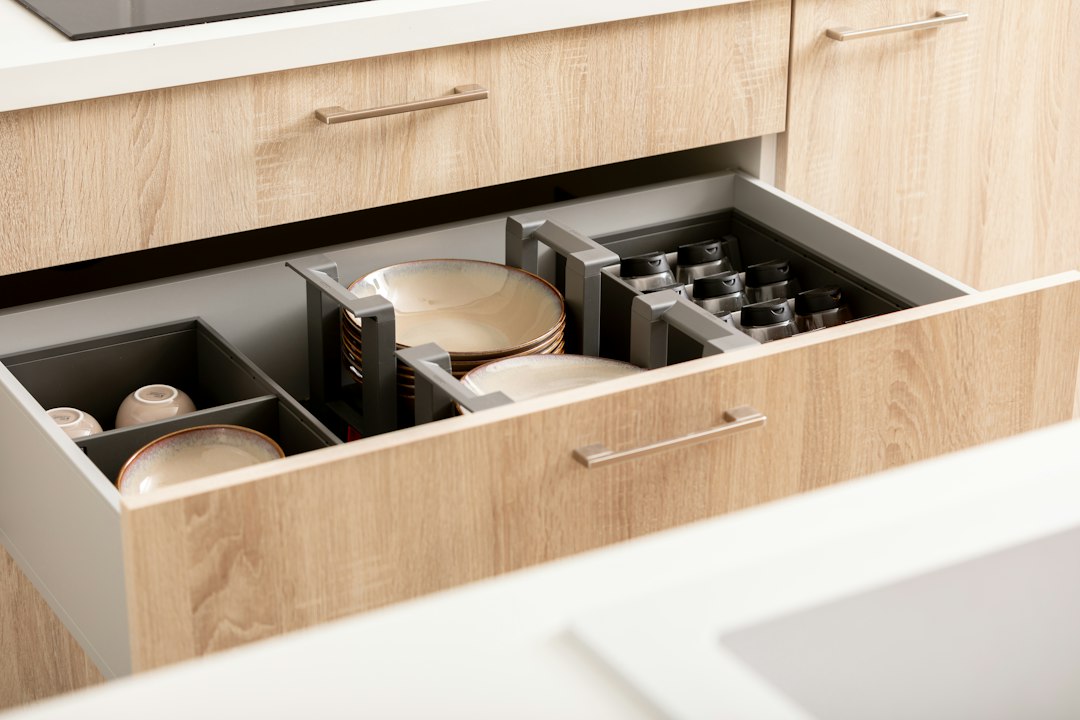
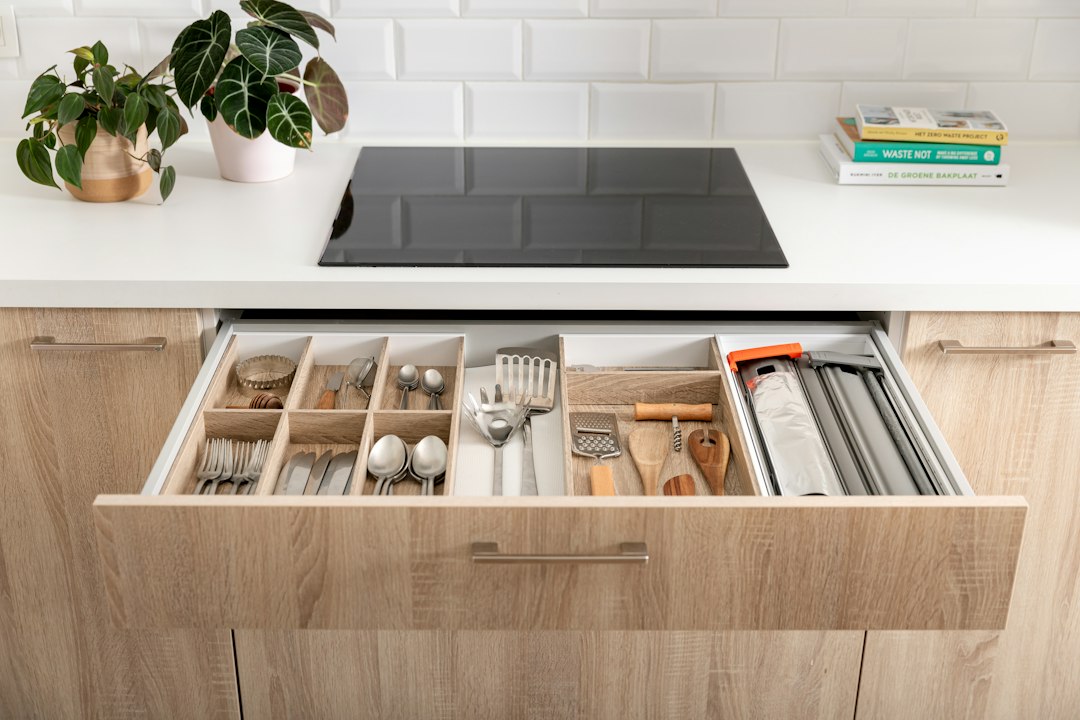
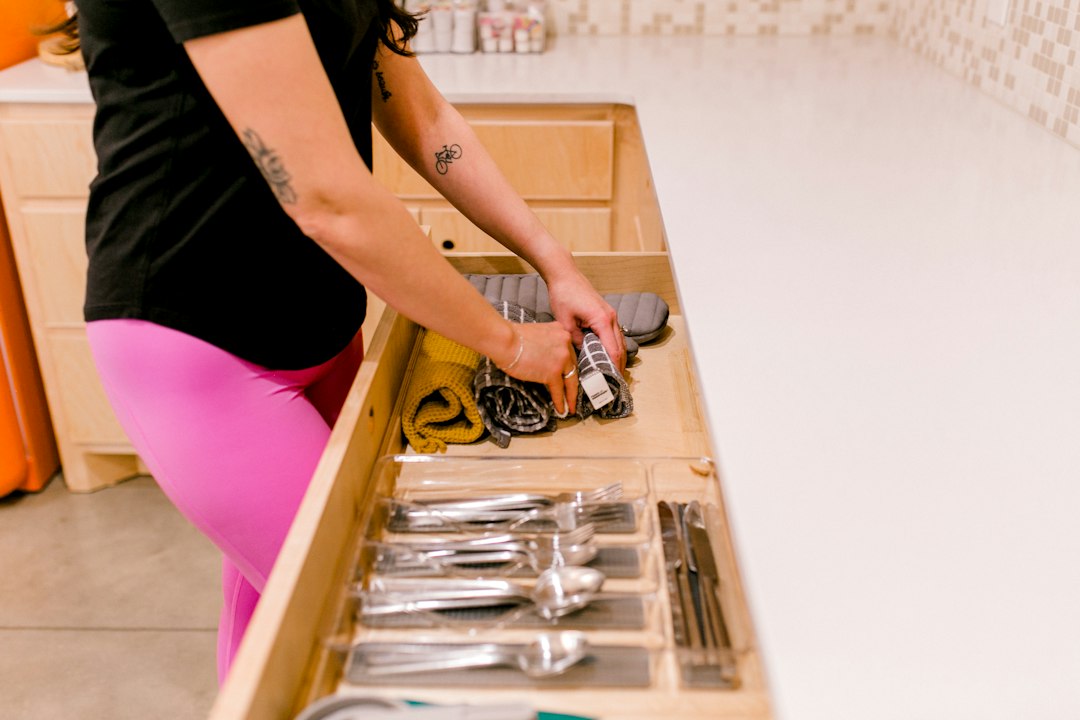
Drawers are precious in a small kitchen because they hide clutter without crowding counters. Use clear modular drawer organizers to separate tools, gadgets and small appliances' accessories so you can see what you have. Nesting measuring cups, flat lids, and folded silicone mats belong in flat trays; heavy tools like can openers and tongs go in deeper compartments.
Practical example
If your utensil drawer is 18" wide, buy a 3-piece set that offers 1 long slot (for spatulas), 2 medium slots (for spoons, whisks) and 3 narrow slots (for measuring spoons, peelers). Label the underside of the drawer or use a removable sticker to remind family members where each thing returns.
Use vertical and over-the-door space
When floor and counter space are limited, think up. Install an over-the-door pantry organizer or a slim wall-mounted shelf to hold snacks, oils, or frequently used condiments. A 9‑tier over-the-door rack or spice shelf lets you store dozens of small items without bending into cabinets. Hang pots from a single ceiling or wall hook if cabinet depth is shallow.
Under-sink: sort by task, not by product type
Under-sink areas are deep and awkward; the easiest wins come from grouping by task (cleaning, refilling, trash) and using pull-out baskets so nothing hides at the back. An L-shaped under-sink organizer with an upper narrow basket for sponges and a wider lower basket for bulk cleaners uses the space around plumbing well.
Product pick for under-sink order
When you need a ready-made solution to make the under-sink usable immediately, consider an adjustable pull-out under-sink organizer designed to fit around pipes and hold bottles upright.
Adopt slim, stackable food storage and cookware choices
Bulky, mismatched food containers eat shelf space. Replace a dozen single-use containers with a small set of stackable, nesting containers and a set of matching lids that stack upright on a slim rack. For cookware, keep 2–3 versatile pans (one skillet, one sauté pan with lid, one small saucepot) and store them nested with a felt separator to protect finishes.
Turn a small corner into a dedicated prep or beverage station
Instead of spreading coffee gear, toaster and blender across counters, designate a corner or a single shelf for “daily rituals.” Keep the coffee maker, beans, mugs and spoon in that spot; allow one small appliance on the counter and move the infrequent ones into a cabinet. A small folding or drop-leaf table can be the extra prep surface that tucks away when not needed.
Re-think open shelving vs. closed cabinets
Open shelves can make a small kitchen feel larger but require discipline: only keep frequently used, attractive items there. Store backup supplies, bulk staples, and mismatched items behind cabinet doors. Use uniform jars for dry goods on open shelves—clear labels and consistent sizes make visual clutter vanish and show quickly when you’re low on staples.
Keep a landing strip for mail and groceries
Designate one small zone—an over-the-fridge shelf, a narrow wall basket, or a single tray—for incoming groceries, mail and keys. Without a landing strip, countertops collect random items that eat workspace. The landing strip becomes the triage point: keep what you’ll use today, recycle paper, and put everything else away immediately.
Small investments that save the most space
- Clear drawer organizers so you stop digging and start returning items correctly.
- Over-the-door pantry organizer for spices and packets.
- Adjustable under-sink pull-out for cleaning supplies to prevent back-of-cabinet waste.
- Set of stackable nesting food containers to reclaim shelf depth.
Quick wins you can do in 30 minutes
- Empty one drawer, sort items into keep/maybe/toss, then return like items into dividers.
- Move all rarely used appliances to a single upper cabinet and leave one small appliance on the counter.
- Install a magnetic knife strip or a small wall pegboard to free counter and drawer space.
- Group spices and condiments into one relocated shelf near the stove for fast access.
- Identify 8–12 daily-use items and place within two steps of the main prep area.
- Fit one drawer with clear dividers and label zones for easy returns.
- Install an over-the-door or wall-mounted shelf for small containers and spices.
- Buy one under-sink pull-out to group cleaning tasks and keep bottles upright.
- Replace mismatched food storage with a small nesting, stackable set.
- Create a single landing strip for incoming groceries and mail.
Small kitchens work when you reduce decision friction: make the everyday visible, use vertical and under-sink space, and limit the number of single-use items that steal room. A few targeted organizers—drawer inserts, an under-sink pull-out, and a spice rack—deliver the largest gains for the least effort.
What’s the first thing to organize in a small kitchen?
Start with the main prep zone: clear the counter, decide the 8–12 items you use every day, and keep those within two steps to speed cooking and reduce clutter.
Are open shelves a good idea for small kitchens?
Open shelves can make the room feel larger but only work if you commit to neat, uniform containers and keep extras behind closed doors to avoid visual clutter.
How do I store appliances when space is tight?
Keep one small appliance on the counter for daily use and store the rest in a single cabinet; choose versatile models that replace several single-use gadgets.
What’s the best way to use the space under the sink?
Use an adjustable pull-out organizer to work around plumbing and group items by task (cleaning, refilling, trash) so nothing gets lost in the back.
Which product helps most with drawer clutter?
Clear modular drawer organizers are the fastest, cheapest way to make drawers usable—choose sizes that match your most common tools and utensils.