 Wishlist
Picture this: dinnertime panic, a recipe demanding diced onion, a stubborn core on a cardboard knife and a frying pan that sticks. What to reach for first?
If you want the answer fast: a good chef's knife, a cutting board, a reliable skillet, a set of measuring tools, a sturdy saucepan, mixing bowls, basic utensils and a thermometer. Those are the essential kitchen tools that cover >80% of home cooking tasks. Below I explain why each belongs on that core list, how to choose one for your kitchen, and a few exceptions worth knowing.
Essential kitchen tools — the short list and why each matters
- Chef’s knife (8–10") — The single most versatile tool: chopping, slicing, mincing. A sharp, balanced chef's knife speeds prep and improves safety because you cut with control.
- Cutting board — Use a large, stable wood or plastic board for most work and a small one for quick jobs. Separate boards for raw meat and produce reduce cross-contamination.
- Nonstick skillet and stainless saucepan — A 10–12" nonstick skillet handles eggs and searing delicate fish; a 2–3 quart stainless saucepan covers sauces, reheating and grains.
- Measuring cups and spoons — Dry measuring cups plus a liquid measuring cup and a standard spoon set keep recipes consistent, especially baking.
- Mixing bowls (nested set) — Metal or glass bowls in a few sizes streamline mixing, marinating and mise en place.
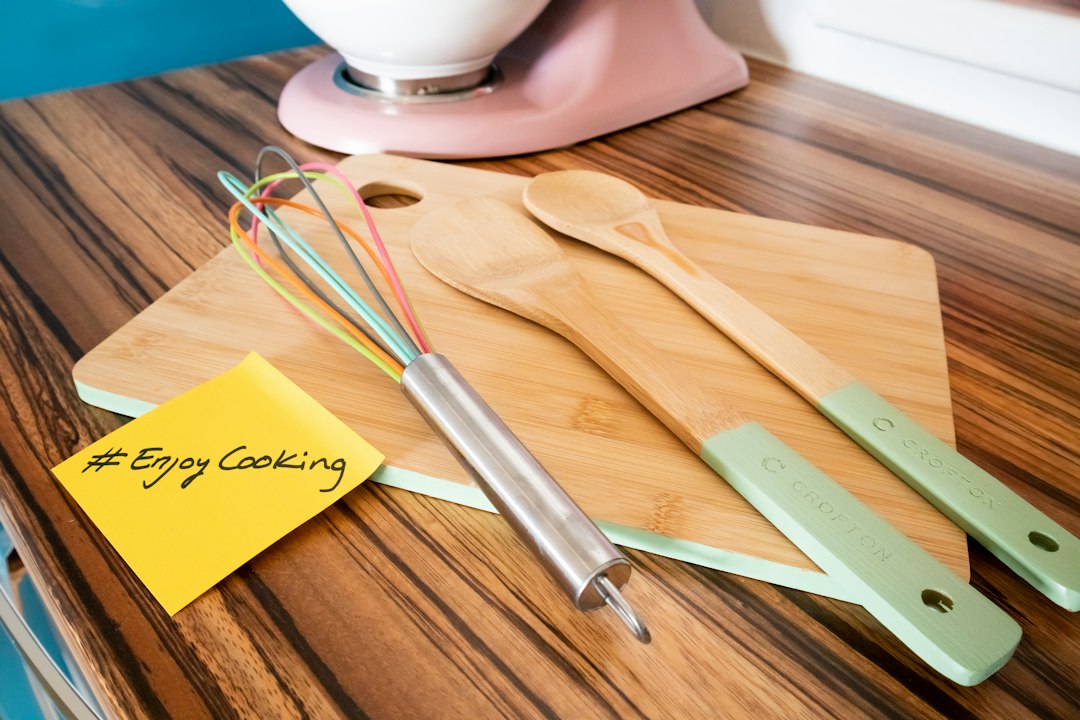
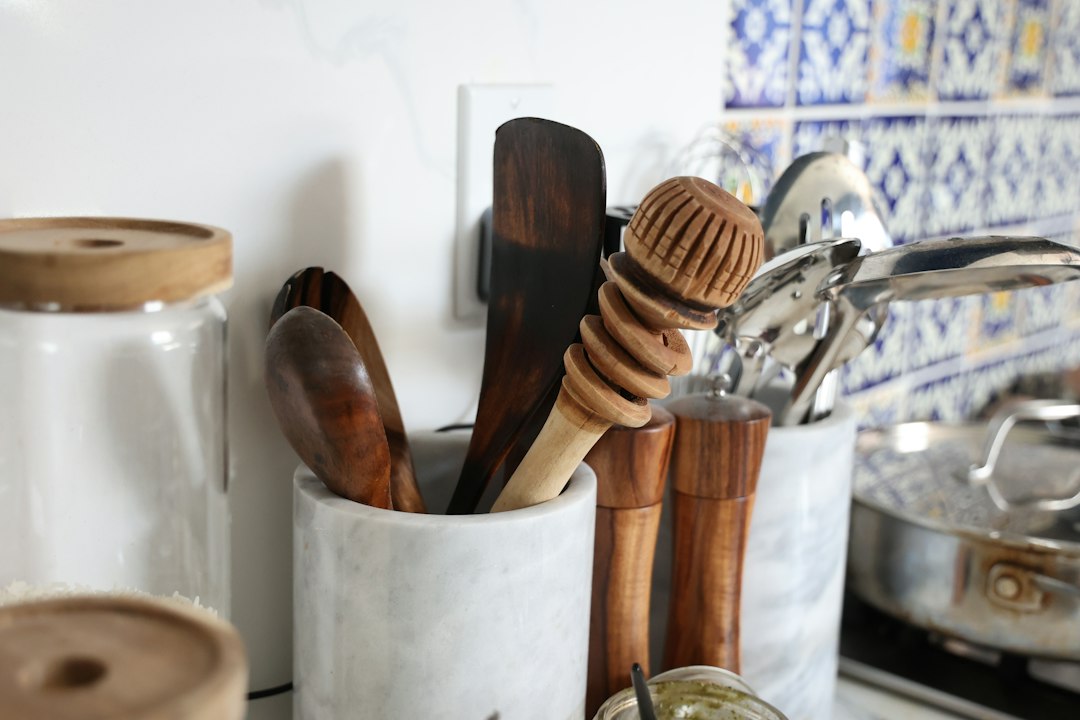
- Basic utensils — Spatula, wooden spoon, slotted spoon, tongs, and a ladle handle most transfer and stirring needs; prefer heat-resistant silicone for nonstick pans.
- Colander or fine-mesh strainer — For pasta, rinsing produce, and draining canned goods.
- Instant-read thermometer — Ensures safe and perfectly cooked meat, and helps with breads and custards where internal temperature matters.
- Peeler and kitchen shears — Quick vegetables prep and trimming herbs or opening packages.
How to choose the right version of each tool
Choice comes down to three practical factors: how you cook, your storage space, and how much maintenance you’ll do.
Knives and boards: balance and upkeep
For most home cooks a single good chef’s knife and a smaller paring knife are enough. Try an 8" chef's knife if you have smaller hands; 10" suits larger hands or long, confident strokes. Pick a board material you’ll maintain—wood resists dulling knives and is self-healing, but needs handwashing and oiling; plastic is dishwasher-safe and better for raw meat if you prefer not to sanitize wood often.
Pans: one nonstick and one stainless is a strong combo
Nonstick is unbeatable for eggs and anything delicate; avoid overheating and replace when the coating wears. Stainless steel tolerates high heat for browning and pan sauces. If you can only choose one, a heavy-bottomed stainless skillet around 10–12" is the most flexible.
Utensils: materials matter
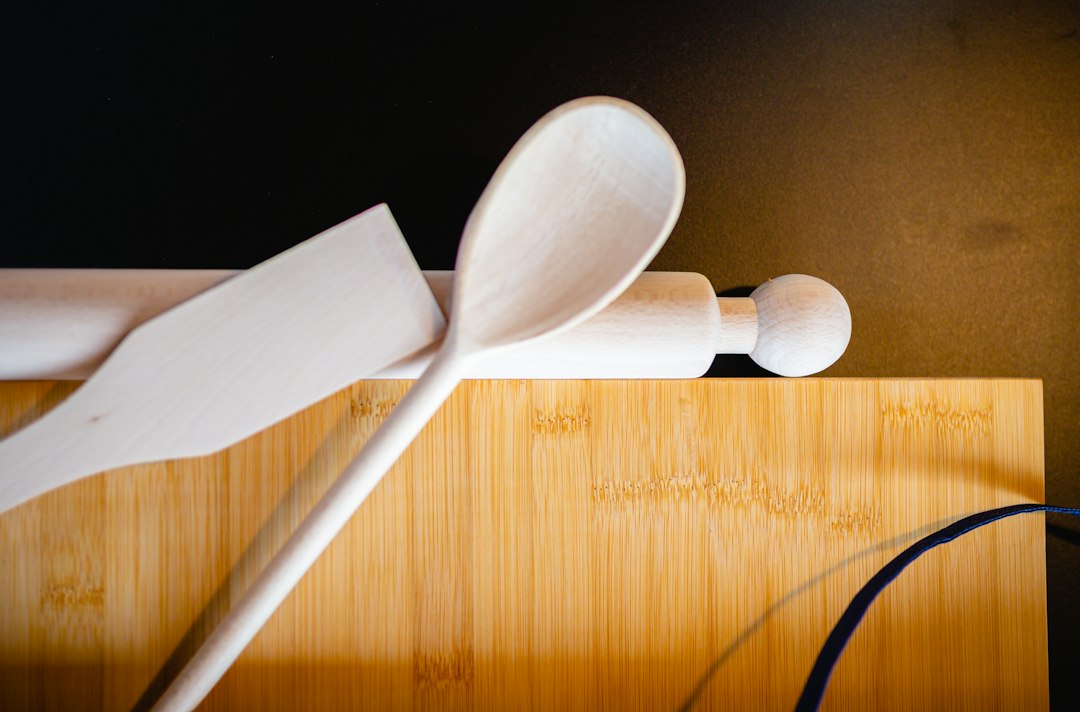
Silicone/silicone-headed utensils are gentle on nonstick and heat-resistant; wooden spoons are durable and give a different tactile feel for stirring. Aim for 3–5 good pieces, not every gadget.
Measuring and mixing: accuracy vs convenience
Opt for an inexpensive metal or clear plastic liquid measuring cup with an easy-to-read spout, plus a nesting set of dry cups and spoons. A kitchen scale is optional but the best single upgrade for baking precision and reducing clutter of cups.
Exceptions and upgrades worth considering
Your cooking style may change the essentials. Grillers need a sturdy spatula and tongs; braisers and stewers benefit from a Dutch oven; frequent bakers will prioritize a stand mixer or reliable bakeware. Tiny kitchens might substitute a multi-cooker or an air fryer to consolidate functions (see our guide on choosing an air fryer for more on that here).
A simple product recommendation to get started
If you’re replacing worn cooking utensils or starting from scratch, a compact silicone utensil set covers many needs, protects nonstick pans and cleans easily. For convenience and broad utility, consider the top-ranked utensil set in our catalog.
Practical tips for setup and care
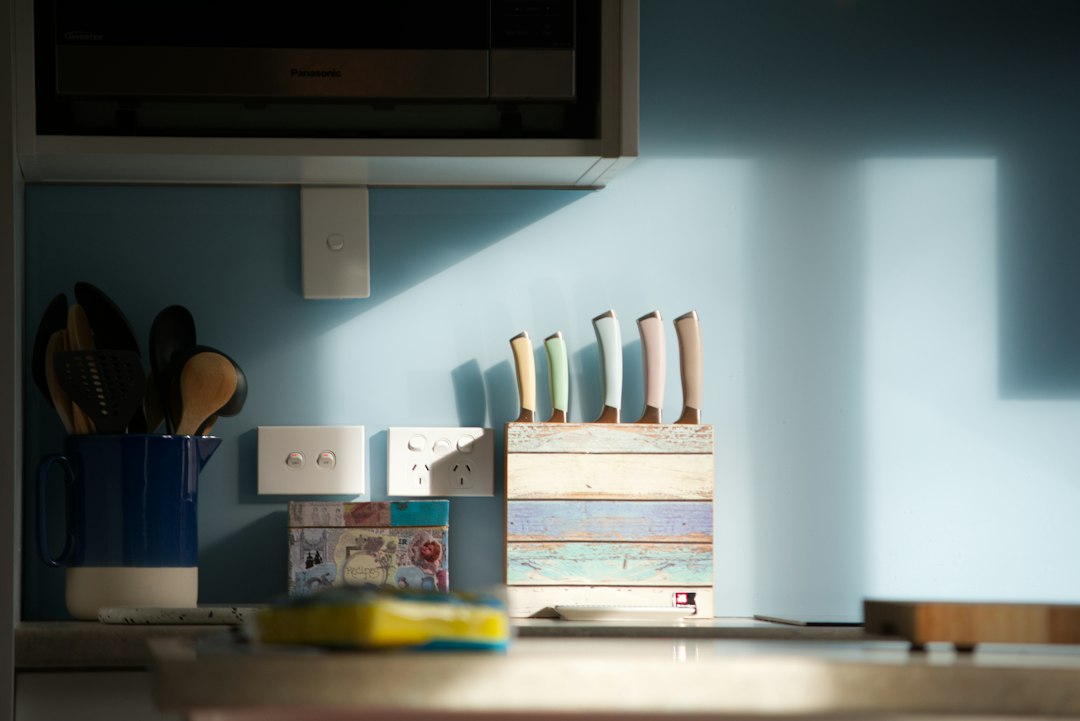
- Store knives on a magnetic strip or in a block to protect edges and hands.
- Keep one cutting station for raw meat and another for produce, or clean thoroughly between uses.
- Season cast iron and avoid metal tools on nonstick coatings; replace nonstick pans when coating peels or chips.
- Sharpen knives regularly; a sharp knife is safer than a dull one.
Final thought before you buy
Buy fewer, better basics you’ll use weekly rather than many single-use gadgets that live in drawers. Prioritize tools that solve recurring problems in your routine—if you roast often, a good thermometer and a roasting pan matter; if you mostly do quick stovetop meals, invest in a reliable skillet and utensils.
- Do I use this at least once a week?
- Can one item perform multiple tasks well?
- Will it fit my storage and cleaning habits?
- Is maintenance (seasoning, sharpening, handwash) acceptable?
- Does the material match my cookware (avoid metal on nonstick)?
Equip your kitchen with a few high-utility tools: a chef’s knife, cutting board(s), a skillet and saucepan, measuring tools, mixing bowls, core utensils and a thermometer. Choose materials and sizes that match how you cook and how you store and maintain items.
Do I need both a nonstick pan and a stainless steel pan?
Not strictly—many home cooks get by with one heavy stainless pan—but having both covers delicate foods (nonstick) and high-heat searing (stainless), so they’re a practical pair.
What’s the minimum knife set I should own?
A sharp chef’s knife and a paring knife cover most tasks; add a serrated bread knife if you bake often.
Can I skip measuring cups and use a kitchen scale?
A scale actually replaces dry measuring cups for accuracy and reduces cleanup, but a liquid measuring cup and spoons are still handy for volume-based recipes.
How often should I replace nonstick pans or utensils?
Replace nonstick pans when the coating shows scratches or peels; utensils should be replaced when they melt, crack, or lose heat resistance—usually several years depending on use.
Which tool improves cooking safety the most?
A sharp chef’s knife—paired with good technique and a stable cutting board—reduces slips and accidents more than replacing any other single item.