 Wishlist
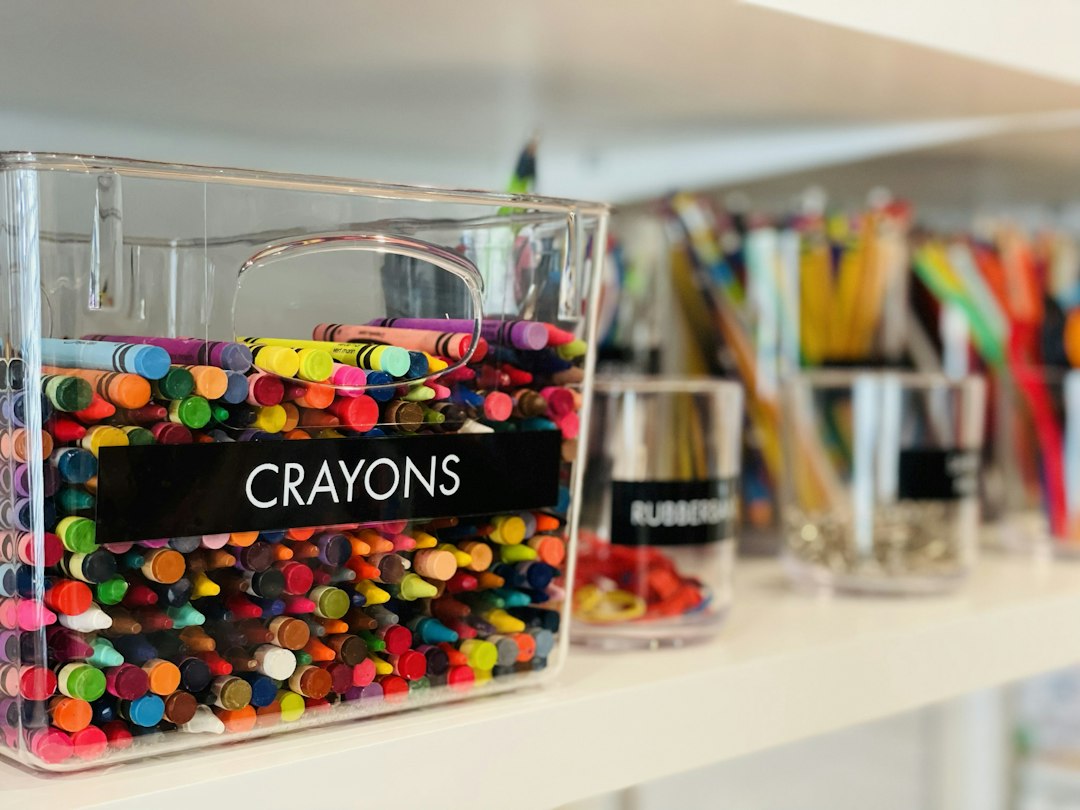
What a clutter-free pantry looks and feels like
When you open the pantry and can immediately see where breakfast cereal, canned tomatoes, and your kids’ snacks live, cooking takes less time and waste disappears. That clarity comes from three outcomes: every item has a visible home, similar items are grouped, and frequently used things are easy to reach. This article explains how to organize your pantry so you reach those outcomes and keep them.
Quick checklist to decide how much to tackle
Before you begin, decide whether you want a full overhaul or a targeted refresh. A full overhaul is best when you can’t find basics or use expired staples; a refresh works when shelves are mostly functional but messy. Allocate 1–3 hours for a full overhaul of a standard pantry.
Clear everything and evaluate what you have
Empty shelves one shelf at a time rather than dumping everything on the floor; use a counter or table to regroup items. As you remove items, sort into these piles: keep (good & used), relocate (belong elsewhere), donate (sealed, non-perishables), toss (expired/open and spoiled), and undecided (set aside for quick review).
While sorting, note two practical things: expiration dates and duplicate purchases. If you find multiples of the same item, decide whether you really need the extras or whether to consolidate for space.
Create functional zones that match how you cook
Organize shelves into purpose-driven zones rather than by package size alone. Typical zones: baking, grains & pasta, canned goods, snacks, breakfast, oils & condiments, and baking tools (if you prefer storing them nearby). Place the most-used zone at eye level or just below.
Choose containers that make items visible and accessible
Clear, airtight containers transform odd-shaped boxes into neat stacks and preserve freshness. Use wide-mouth jars for flours and sugars, tall canisters for pasta, and modular square containers for maximizing shelf space. Reserve baskets for loose snack bags or produce that doesn’t need refrigeration.
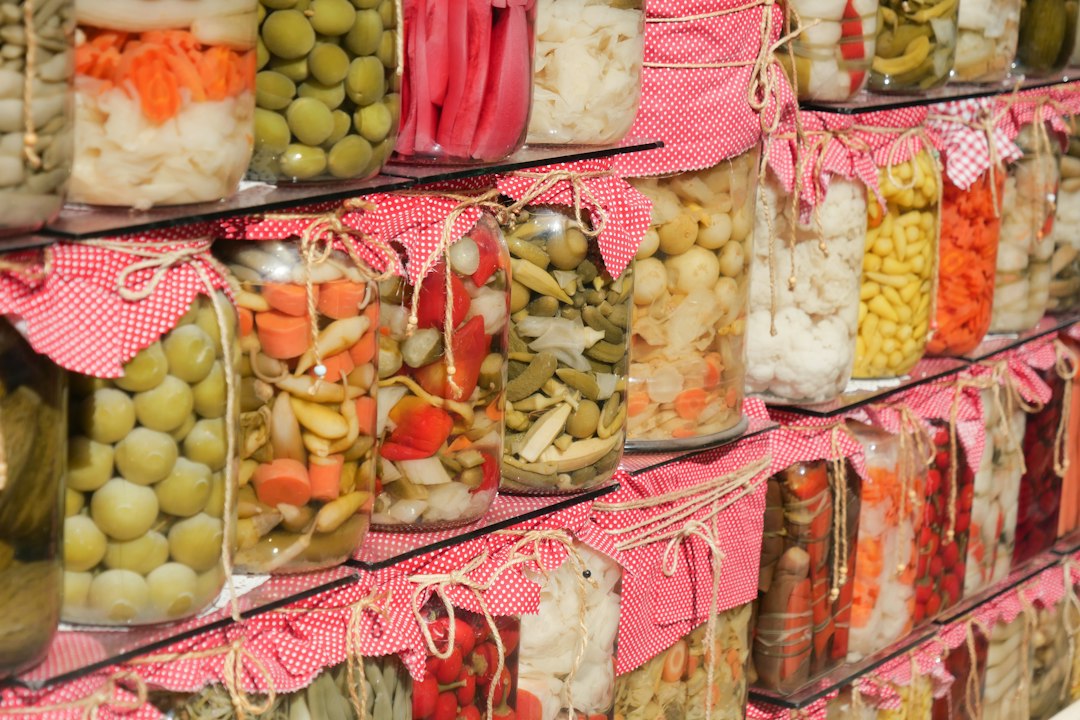
Product pick: for one-stop pantry container needs, consider a popular airtight set that includes multiple sizes to handle dry goods and cereals. It’s especially useful if you’re consolidating half-empty bags into uniform storage.
Labeling, stacking and sight lines that actually work
Labels finish the job: use readable labels that include the item name and, when useful, the opened date (example: “All-purpose flour — opened 5/2026”). Stick to consistent label placement—center front of the container—for quick scanning. For cans and boxes, face labels forward and stack by type, keeping the newest to the back (first in, first out).
Use small tools to get big gains in space
Shelf risers double vertical space for short items like canned goods or spice jars. Turntables (lazy Susans) solve corner visibility for oils and vinegars. Magazine holders work surprisingly well to store packets (sauces, soup mixes) upright so you can read the fronts at a glance.
Kid-friendly and snack-friendly strategies
Put a low shelf or a basket at a child’s height for approved snacks so they can help themselves without opening every door. Use clear bins with dividers for snack bars and fruit pouches to reduce the “I can’t find it” scramble that leads to spills and duplicates.
Maintenance system: simple habits that prevent relapse
Two habits keep a pantry organized: a weekly 5-minute check and a grocery list habit. During the weekly check, scan for low staples, expired items, and mis-shelved goods. Keep a clipboard or a phone note on the pantry door and add items as you empty jars—this reduces impulse buys and duplicates.
Troubleshooting common pantry problems
Limited shelf depth or oddly shaped space
Use shallow baskets and place items you use together in the same container rather than lining them across a deep shelf. Consider installing a pull-out drawer or a tiered organizer to use the full depth without losing items at the back.
Too many small packages and no uniform containers
If buying new containers isn’t in the plan, group small items into labeled baskets or magazine files temporarily. Consolidate similar single-serve packets into one clear bin so they don’t migrate and clutter multiple shelves.
Shared pantry with multiple cooks
Agree on zone ownership: one person keeps snacks, another handles canned goods. Use colored labels or a simple “family” and “guest” label system so everyone knows where to put things back.
Organizing on a budget
Start with what you have: repurpose jars (cleaned and labeled), use cardboard magazine holders for boxes, and buy a few clear containers gradually. Prioritize airtight containers for items that go stale quickly (flour, cereal, coffee) because they save money by preventing spoilage.
Where to look next
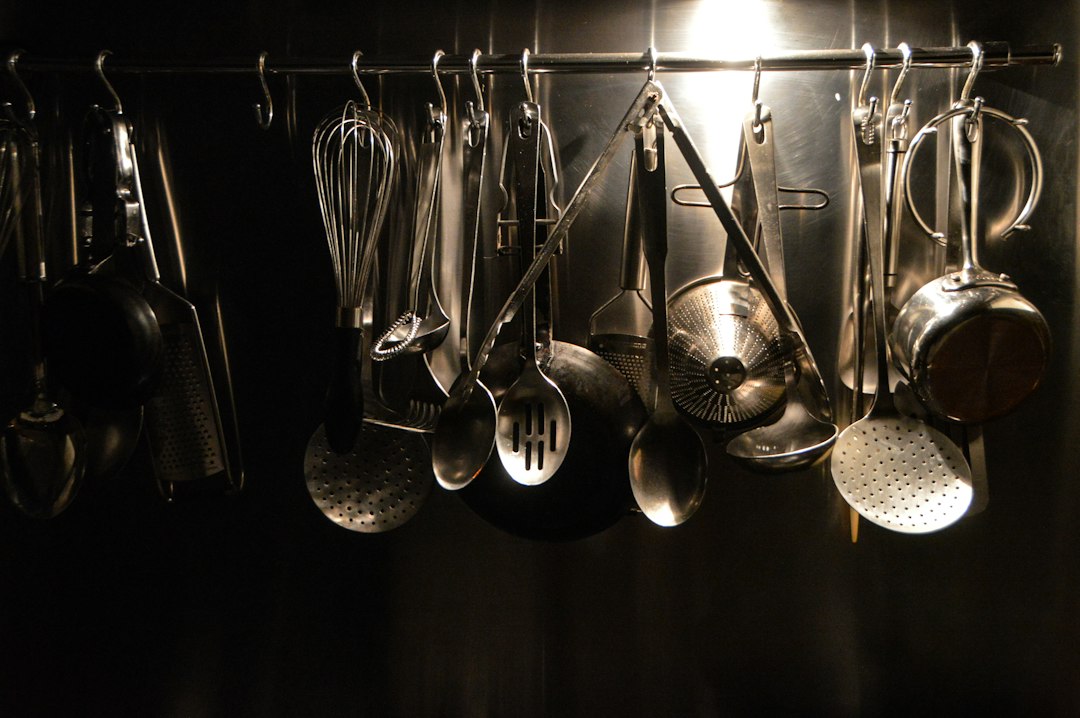
If you want ideas for small kitchens or better utensil storage that complement your newly organized pantry, see our guide on small kitchen organization ideas or browse pantry storage containers in our shop.
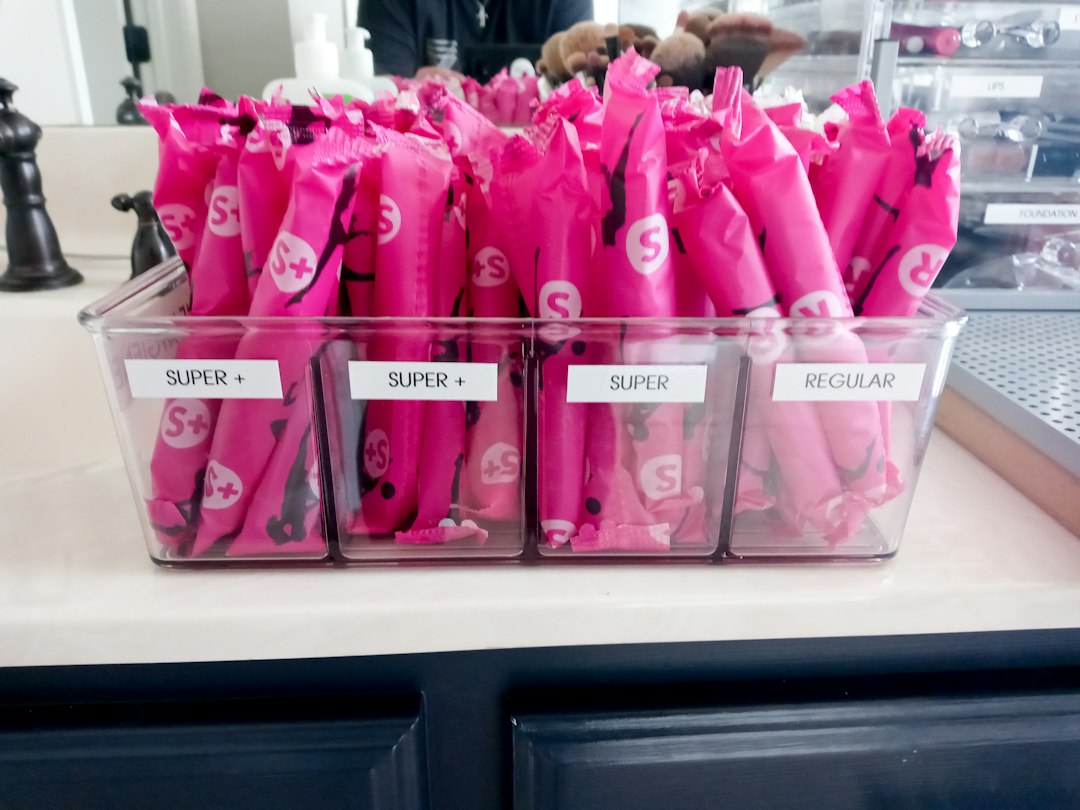
- Empty one shelf at a time and sort items into keep/relocate/donate/toss piles.
- Assign zones that match your cooking habits and place frequently used items at eye level.
- Consolidate dry goods into clear airtight containers and label them with names and opened dates.
- Add one space-saving tool (riser, lazy Susan, magazine holder) to a problem shelf.
- Set a weekly 5-minute scan and keep a running grocery/list on the pantry door.
Start by clearing and sorting, then build zones and invest selectively in clear containers and a few organizers. The key to staying clutter-free is simple habits: visible storage, consistent labeling, and a short weekly review.
How often should I clean and reorganize my pantry?
A quick 5-minute weekly scan plus a deeper seasonal review (every 3–4 months) keeps things tidy and catches expired items before they cost you money.
Are airtight containers worth the cost?
Yes for flours, cereals, and anything prone to pests or staling—airtight containers extend freshness and reduce waste, saving money over time.
How do I store bulk items like rice or flour?
Use large, food-safe airtight containers with wide openings for scooping; label with contents and opened date, and store heavier containers on lower shelves for safety.
What’s the best way to organize spices?
Keep spices together on a rack or a shallow drawer with labels on the lid or front. Group by use (baking, Mediterranean, Asian) for faster meal prep.
Can I keep certain items outside the pantry?
Yes—potatoes, onions and some squash store better in cool, dry counters or a ventilated bin outside the pantry; keep pantry space for dry packaged goods and canned items.