 Wishlist
What really matters (and what you can ignore)
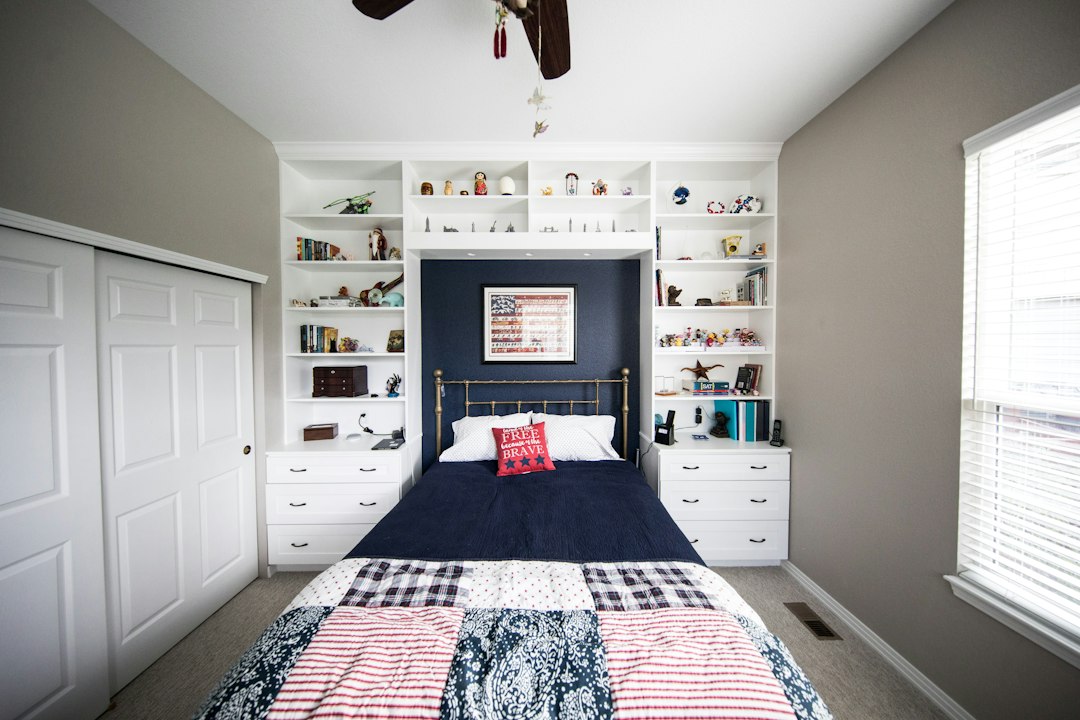
When floor space is precious, the goal is clear: keep daily items accessible, store seasonal or infrequent items out of the way, and avoid solutions that steal usable space or create visual clutter. Ignore bulky freestanding units that jut into walkways, or decorative storage that can’t actually hold useful volume. Focus on vertical, under-bed, door-mounted, and built-in options that reclaim square feet.
Use the space under the bed intelligently
Under-bed storage is the biggest untapped zone in many small bedrooms. Choose shallow, wheeled drawers or low-profile bins that slide easily and match your bedding height so they’re out of sight.
- Measure the clearance from floor to bed frame before buying; you’ll be surprised how many “under-bed” containers are too tall.
- Use clear or labeled bins for shoes, off-season clothes, or extra linens. Vacuum bags are great for bulky winter blankets but avoid overly compressing delicate fabrics.
- For frequent-access items (daily shoes, workout gear), use pull-out drawers with rolling casters for speed.
Double up the hanging space in closets
Closets often waste vertical hanging room. Split one long hanging section into two shorter layers to double capacity for shirts, skirts and folded pants.
- Install a second rod about 40–42 inches below the top rod for short-hang items.
- Use slim, non-slip hangers to reduce bulk—you’ll fit noticeably more pieces on the same rod.
- Reserve the highest shelf for boxes of infrequent items, and label them clearly.
Fabric hanging organizers and cube shelving convert empty vertical pockets into folded-storage real estate. They’re inexpensive, easy to install, and especially useful for small closets that can’t fit bulky shelving.
Turn doors and narrow walls into storage
Doors, the narrow strip of wall by the bed, and the back of the closet door are free surfaces that don’t interfere with traffic.
- Over-the-door shoe pockets are excellent for shoes, scarves, chargers and small accessories.
- Slim wall hooks or rails beside the bed keep daily wearables handy without cluttering a chair or dresser.
- Consider a mounted pegboard inside the closet for interchangeable baskets and hooks—customizable and low-cost.
Choose multi-functional furniture
Where possible, pick pieces that do double duty: a bed with built-in drawers, a bench with internal storage, or nightstands with multiple drawers. This reduces the need for separate storage furniture that eats precious floor area.
Product suggestion: if you need low-cost hanging shelf solutions for small closets, a high-rated multi-shelf hanging organizer can add folded storage instantly.
Make shelving go vertical—without bulk
Open shelving that reaches higher than eye level uses space that would otherwise be wasted. The trick is keeping top shelves for seldom-used items and the mid-level for everyday access.
- Install one tall unit with adjustable shelves rather than multiple short units; it looks cleaner and reduces visual clutter.
- Add baskets or matching bins to open shelves for a tidy look and easier pulling/rotating of contents.
Sort and limit: small closets are unforgiving
Storage works only when you limit what you own to what you use. Do a quick edit before you buy a new organizer:
- Remove anything you haven’t worn in 12 months (exceptions for special-occasion items).
- Group similar items—shoes, sweaters, workout gear—and assign each a dedicated place.
- Keep frequently used items at eye level or in easy-to-reach drawers; move rarer things up or under the bed.
Shoe and accessory strategies that save space
Shoes and accessories multiply clutter quickly unless you treat them systematically.
- Use a slim shoe rack inside the closet or a vertical pocket organizer on the door. For high-capacity needs, consider a tall multi-tier rack (look for stable, narrow designs).
- Store seasonal shoes in labeled under-bed bins to free closet shelves.
- Small clear organizers or drawer dividers keep jewelry, belts, and small items visible and accessible; that reduces the “everything on the dresser” problem.
Keep a rotation system for linens and seasonal clothes
Rotate what’s in easy reach with the seasons. Keep one bin for current-season items and one for next/previous—this prevents digging through piles and keeps the closet tidy.
Lighting and labeling: small investments, big gains
Poor visibility makes small storage feel smaller. Add stick-on LED lights inside closets and pull-out drawers, and label bins facing outward so you can find things quickly without rummaging.
[h3]When to invest in a custom solutionIf your closet has awkward shapes, slanted ceilings, or you’re trying to maximize a tiny built-in alcove, a modest custom organizer can pay off. It’s worth comparing the cost of custom shelving to multiple replacement products that still don’t fit well.
- Measure closet depth, hanging heights, and under-bed clearance before buying.
- Decide which items must be accessible daily versus seasonally stored.
- Select slim, vertical or door-mounted storage before adding floor units.
- Choose uniform bins or labels for a tidy, efficient appearance.
Smart small bedroom storage is less about buying more and more about using the right spaces—under the bed, over doors, and up the wall—and keeping only what you use regularly. Start with measurements and a quick purge, then add targeted organizers to match real needs.
How do I make a small closet feel larger?
Use vertical solutions: double hanging rods, tall shelving, slim hangers, and clear or labeled bins to reduce visual clutter and make items easier to find.
What’s the best under-bed storage option?
Low-profile, wheeled drawers sized to your bed clearance are the most practical—choose opaque boxes for neatness or clear bins if you need quick visual access.
Are hanging organizers sturdy enough for folded clothes?
Yes—most fabric hanging organizers handle sweaters and folded clothes fine; use reinforced or multi-shelf models for heavier loads to avoid sagging.
Should I invest in custom closet shelving?
Custom shelving makes sense when the space is irregular or you need maximum capacity; for standard closets, modular and hanging systems are usually enough and less costly.
How can I store shoes without taking up floor space?
Use over-the-door pockets, vertical hanging shoe organizers, or under-bed shoe bins to keep them off the floor and organized.