 Wishlist
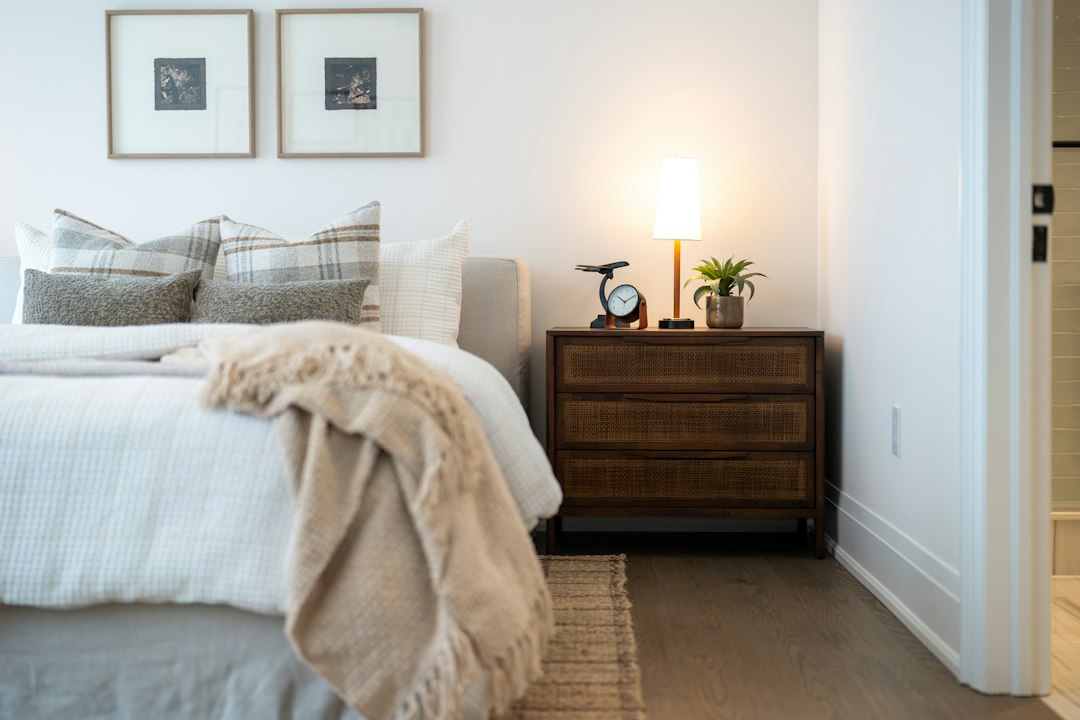
People who sleep well tend to invest small, repeatable comforts—not grand redesigns. Creating a cozy bedroom with simple decor changes means picking a few high-impact edits you can do in an afternoon or weekend, then arranging them so the room feels intentional rather than cluttered. The end result: a bedroom that looks calmer, feels softer to the touch and invites you to slow down at night.
Start with the atmosphere: soft, layered lighting
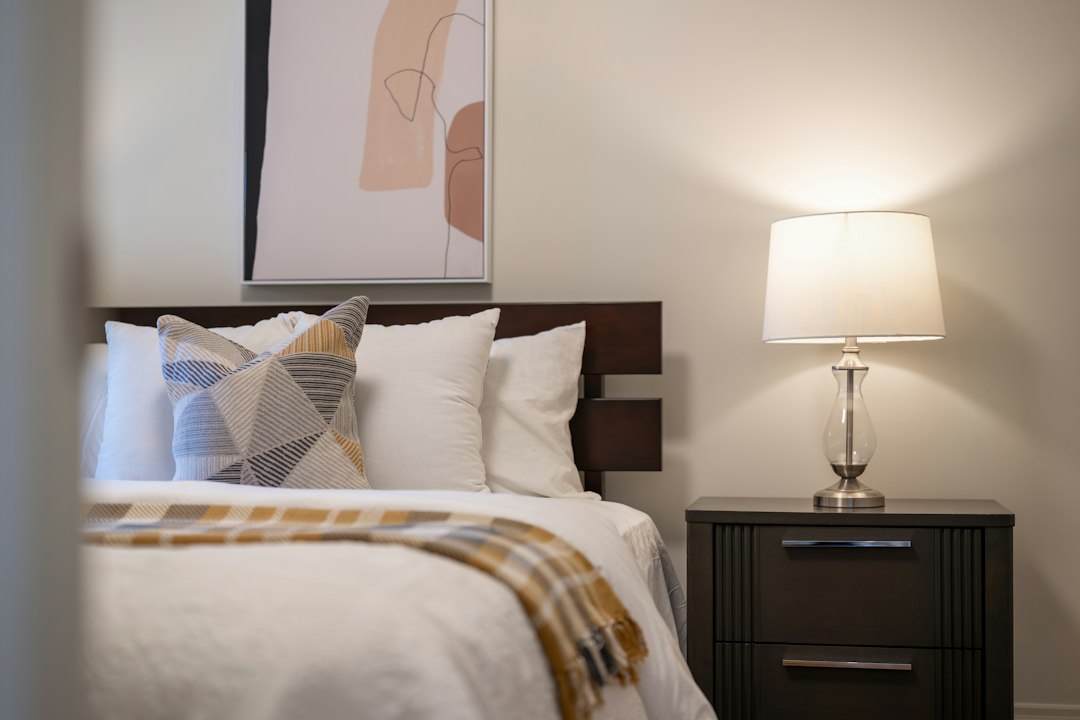
Lighting sets the mood more than paint or furniture. Replace harsh overhead bulbs with warm (2700K–3000K) lamps and add at least two light sources at different heights: a bedside lamp plus either a floor lamp, wall sconce or string lights. Use dimmable bulbs or a lamp with multiple color temperatures so you can shift from bright (getting dressed) to low and amber for winding down.
If you need one single product to change the room’s feel, a tactile bedside lamp with warm light is the fastest win; a small ceramic table lamp provides soft diffusion and a physical anchor on the nightstand.
Layer bedding for immediate tactile comfort
Make the bed the centerpiece of coziness: start with a fitted sheet and a good duvet (or comforter), then add a medium-weight coverlet or quilt and a throw. Mix textures—cotton, linen and a knit throw—to create visual depth and comfort under hand. Use two sleeping pillows plus one or two decorative pillows that are slightly larger than the bed’s scale; keep most of the decorative pillows propped in the morning to maintain neatness.
Focus on quality where you feel it: sheets and the duvet cover matter at skin level; throws and quilts add visual warmth and are easier to change seasonally.
Introduce texture and a curated color palette
Choose a restrained palette of 2–3 colors (a base neutral, a mid-tone and an accent). Then bring in texture—woven throw, boucle pillow, a fringed blanket, or a linen curtain—to make the palette cozy rather than flat. Textures break monotony and make the room read as layered comfort rather than flat minimalism.
Anchor the bed with the right rug
An area rug under the bed instantly softens the room: it adds warmth to bare floors and frames the sleeping area. For a standard queen, aim for a rug at least 8 x 10 ft so it extends beyond the sides and foot of the bed (you want to step onto rug on both sides). If you’re working with a smaller rug, put it under the lower two-thirds of the bed so the rug still reads as part of the setup.

Soften windows and control light with curtains
Floor-length curtains that hang close to the ceiling visually raise the room and improve insulation. Choose opaque or lined panels to block early morning light and add thermal comfort; sheer layers can be used behind them for daytime privacy. Aim for curtain rods extending 4–6 inches beyond the window frame so panels fully stack off the glass when open.
Clear surfaces, add small vignettes
Declutter flat surfaces but add one or two intentional objects: a small stack of books, a ceramic vase, a tray for keys or jewelry. These little vignettes make the room feel lived-in and curated. Keep nightstand items limited to essentials (lamp, glass of water, small plant or clock) so routines aren’t disrupted by visual noise.
Add functional storage that keeps the room tidy
Messy clothes and visible clutter kill coziness more than poor styling. Use a slim dresser, under-bed storage or attractive baskets for off-season items. If closet space is tight, a single woven basket or bench at the foot of the bed can hold blankets or extra pillows without undermining the room’s calm.
Create one quiet corner for reading or reflection
If space allows, designate a small corner with a comfortable chair or ottoman, a floor lamp and a small side table. Even a single chair with a folded throw makes the room feel more purposeful and offers a secondary place to unwind that isn’t the bed.
Troubleshooting: common challenges and quick fixes
- Room still feels cold: add a textured throw at the end of the bed and swap to warmer bulbs.
- Decor feels busy: remove half the decorative pillows and simplify the nightstand to one small object.
- Floor looks small with a rug: choose a lighter rug and pull furniture slightly onto it to visually enlarge the area.
- Window treatments block light and look heavy: switch to lighter panels or use a double rod for sheers plus blackout curtains.
Small decor choices that make a big difference
- Switch lamp bulbs to warm color temperature (2700K–3000K).
- Fold a throw across the foot of the bed instead of draping it carelessly.
- Group three objects of varying heights on a dresser rather than scattering many small items.
- Hang curtains higher than the window to create the illusion of taller ceilings.
When to invest more: targeted upgrades
If you plan to spend more, prioritize a quality mattress topper (for feel) and blackout curtains (for sleep). If you frequently use a bedside area at night, a touch or dimmable lamp with warm output is worth the purchase because it addresses both comfort and function.
- Swap one overhead bulb for a warm bedside lamp.
- Add at least one textured throw and two pillows beyond sleeping pillows.
- Select an area rug that frames the bed or covers both bedside paths.
- Hang floor-length curtains that start near the ceiling.
- Clear flat surfaces and create one small, intentional vignette.
Cozy bedrooms come from layered light, tactile bedding and a few curated surfaces rather than a long list of purchases. Make three changes—lighting, bedding layers and a rug—to feel a clear improvement, then refine texture and storage over time.
How do I make a small bedroom feel cozy without cluttering it?
Use a limited color palette, focus on texture rather than objects, and choose multipurpose storage (like a storage bench) to keep surfaces clear while adding softness.
What bedding is best for a cozy feel year-round?
Layering is key: breathable cotton or linen sheets, a medium-weight duvet, and a removable throw let you adapt warmth through seasons.
Are rugs necessary for coziness?
Rugs add warmth and reduce echo; if you have hard floors, a rug under the bed or at least on the bedside paths noticeably increases comfort.
What lighting should I avoid for a cozy bedroom?
Avoid cool, bluish bulbs and harsh single-source overhead lights. Instead, layer warm lamps and use dimming where possible.
Related reading: The Complete Guide to Choosing Comfortable Bedding and Smart Storage Ideas for Small Bedrooms and Closets.