 Wishlist
Most people start by buying bins. The better first move is deciding what stays.
If your goal is organizing your home, begin with clear decisions, not containers. The fastest way to create lasting order is to sort by use and frequency: what you use daily, weekly, seasonally, or never. That simple framework changes every downstream choice — how much storage you need, what kind of container, and where items should live.
Quick plan: room priorities and realistic scope
Don’t try to organize every surface in a weekend. Pick 2–3 rooms (or a room + one storage zone) for your first project. For most households the priority list looks like this: kitchen (daily), entry/mudroom (daily comings and goings), bathroom (daily hygiene), bedroom/closet (sleep + dressing), and then shared living areas and laundry. Target one clear outcome per session — for example, “kitchen counters clear and functional” or “closet: clothes I actually wear easily accessible.”
How to decide what to keep, donate or discard
Use a three-question test for each item: Have I used it in 12 months? Does it serve a clear role now? Would replacing it cost more than storing it? If the answer is no to two of three, it’s a candidate to donate or discard. For sentimental items, limit a specific container or shelf so memories don’t crowd daily living.
Practical sorting method
- Empty the zone (drawer, shelf, or closet) so you see everything.
- Create four piles: Keep, Relocate, Donate, Trash.
- Put everything back only from the Keep pile and label or assign a permanent spot.
Room-by-room choices that make a big difference
Kitchen: prioritize countertop workflow and pantry visibility
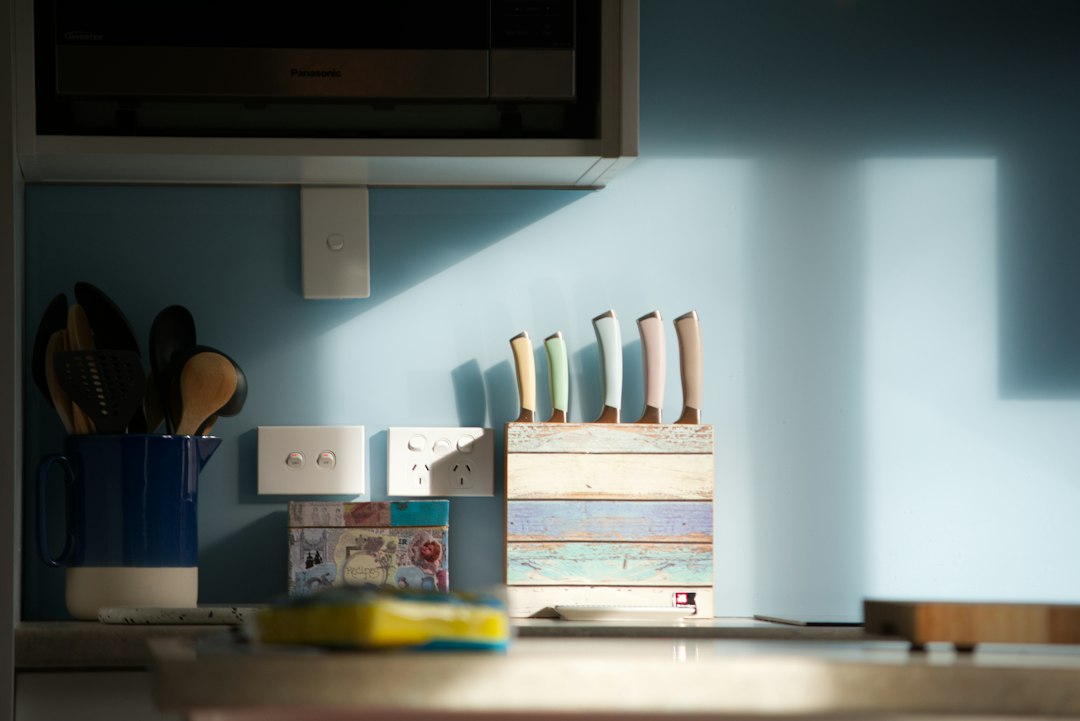
Keep counters clear of single-use gadgets. Store daily items near their point of use (coffee supplies by the machine). For pantry items, group by category and move lesser-used bulk items to higher or lower shelves. Transparent or labeled containers make expiration and inventory obvious.
Product to consider: if your pantry door or a narrow wall is underused, an over-the-door organizer turns dead space into visible storage for spices, cans, and small jars.
Entry and mudroom: triage for what arrives each day
Install a dedicated drop zone: a narrow bench, hooks for coats, and a basket or tray for keys and mail. Shoes should live on a rack or in a closed bin — visible piles make the whole house look cluttered. A single weekly “re-entry” sweep prevents accumulation.
Closet and bedroom: edit first, organize second
Closet organization fails when wardrobes are overcrowded. Edit seasonally: store off-season clothes in vacuum bags or a labeled bin. Use cube shelving or clear shoe boxes for visible access. Reserve eye-level space for the pieces you actually wear most.
Bathroom: visibility and easy replenishment
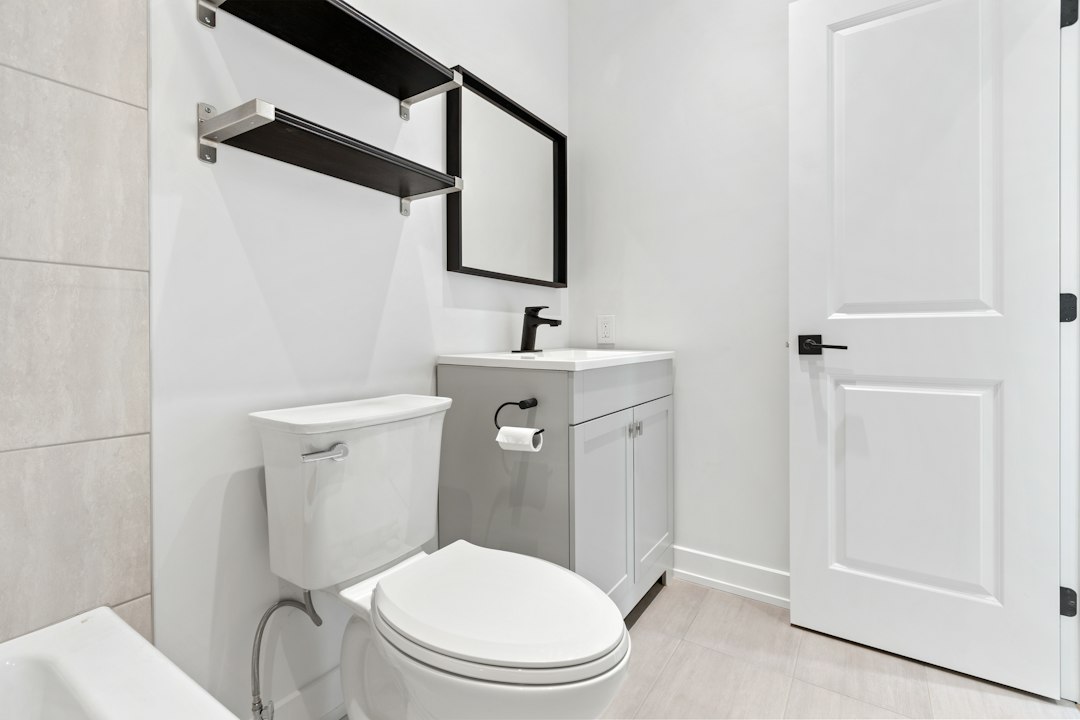
Keep daily toiletries on a shallow tray or in a small caddy; store backups in a labeled drawer or under-sink organizer. Under-sink clutter is solved by grouping cleaners, spares, and tools separately and using a small pull-out caddy so nothing gets lost at the back.
Choosing storage solutions that actually work
Buy storage to solve a specific problem you’ve already defined: too many small items in a drawer? Get dividers. Too many items on shelves? Add baskets. Overbuying generic bins is the most common beginner mistake — they become catch-alls.
Material and size trade-offs
- Clear plastic: fast visual inventory, but can look clinical on open shelves.
- Baskets/woven bins: conceal clutter and look softer in living areas, but label externally so contents remain findable.
- Stackable cubes or shelving: create new usable space in closets and playrooms; match dimensions to what you’ll store (shoes, sweaters, toys).
Daily and weekly habits that keep the house organized
Routines beat one-off deep cleans. Two short habits have outsized impact: a nightly 10-minute surface tidy (clear counters, sort mail, set out shoes) and a weekly 30–90 minute zone session (rotate rooms each week). Use a simple checklist to focus the weekly session — this prevents tasks from ballooning because maintenance was skipped.
Small organizational details people miss
- Label the front of bins and baskets — it saves guesswork for everyone in the household.
- Keep frequently used items within reach, and store duplicates or seasonal items higher or lower.
- Reserve one visible “junk” drawer and empty it monthly — without a containment strategy, random drawers become clutter magnets.
When to call it a project vs. an ongoing system
Treat an initial overhaul as a limited project (plan, sort, store, label). Afterward, switch to systems: incoming mail protocol, donation bag in the laundry room, seasonal wardrobe swap. Projects change the environment; systems preserve it.
[h2]Quick links for related help[/h2>Need more room-specific how-tos? See guides on keeping kitchen counters organized and choosing lighting to make storage areas more usable: how to choose the right lighting.
- Pick 2–3 rooms for your first weekend project and define one measurable outcome for each.
- Empty one storage zone completely before deciding what to keep or remove.
- Use a three-question test (12-month use, current role, replacement cost) when decluttering.
- Buy storage only after sorting: measure the space and item sizes first.
- Set two short recurring habits: nightly 10-minute tidy and one weekly zone session.
Organizing your home starts with clear keep/discard decisions, then uses targeted storage and small routines to maintain order. Treat the first pass as a project and protect it with simple daily and weekly habits.
How long will it take to organize an entire home?
Expect the first full overhaul to take several weekends for an average house; smaller follow-up sessions and weekly maintenance keep things under control.
What are the best storage items for beginners?
Start with clear containers for pantry items, baskets for living areas, drawer dividers for small items, and cube shelving for closets; buy sizes after you measure.
How do I prevent clutter from returning?
Set a nightly 10-minute tidy, a visible donation bag, and a weekly 30–90 minute zone session; these small routines stop clutter from accumulating.
Where should I store sentimental items?
Limit them to a labeled bin or a specific shelf to keep sentimental objects from expanding into functional storage areas.
Can I organize if I’m low on budget?
Yes — decluttering is free and often reduces the need for storage buys. Repurpose shoeboxes, use labeled grocery bins, and invest slowly in one high-impact item at a time.