 Wishlist
Answer first: pick dinnerware by how you actually eat and host
If you want dinnerware that feels right at your table, choose by use: how often you eat at home, whether you entertain formally, whether you cook and serve from oven-to-table, and the aesthetic you live with daily. Prioritize material (durability and care), the set composition (what pieces you need), and surface/color (how it complements your table and food). With those priorities clear, you can narrow styles and finishes that match your dining life.
What actually matters when you choose dinnerware
Before shopping, decide on three practical filters: use case, care requirements, and visual compatibility.
1. Use case: everyday, entertaining, or hybrid?
Everyday: You need durable, machine-safe pieces that hide wear—think porcelain or stoneware with simple glazes, or modern eco materials if you prefer lightweight sets. Entertaining/formal: prioritize classic white porcelain or bone china and invest in matching serving pieces and charger plates. Hybrid: a neutral base set plus a few accent plates or bowls that let you mix-and-match for guests.
2. Care and durability
Decide if dishwasher/microwave/oven safety is non-negotiable. Porcelain and vitrified stoneware typically hold up well in dishwashers; reactive-glaze, handmade ceramics can be more fragile. If you host young children or use takeout plates often, choose chip-resistant and stackable sets.
3. Serving style and portion of pieces
Think about everyday place settings per person (dinner plate, salad/dessert plate, bowl, mug) and whether you need extras: pasta bowls, serving platters, casserole dishes. Larger households or frequent hosts should buy sets with 8 place settings or buy additional pieces à la carte.
Material guide: trade-offs at a glance
- Porcelain/bone china: Lightweight, bright whites, refined look—good for formal dining; usually dishwasher-safe but can chip.
- Stoneware: Heavier, rustic finishes and reactive glazes that hide scratches; excellent for casual or modern farmhouse tables.
- Ceramic (earthenware): Affordable and colorful but less durable—best for low-use or decorative sets.
- Melamine/wheat straw/plastic blends: Lightweight and nearly indestructible—ideal for outdoor dining, kids, or casual everyday use.
- Glass: Sleek and non-porous; can be versatile but shows scratches and fingerprints.
Style choices that match common dining setups
For busy households and everyday meals
Choose durable stoneware, porcelain, or high-quality wheat-straw sets that are stackable and dishwasher-safe. Opt for neutral tones or soft speckled glazes to hide minor chips and stains. Prioritize a complete set with mugs and bowls so you’re never short on essentials.
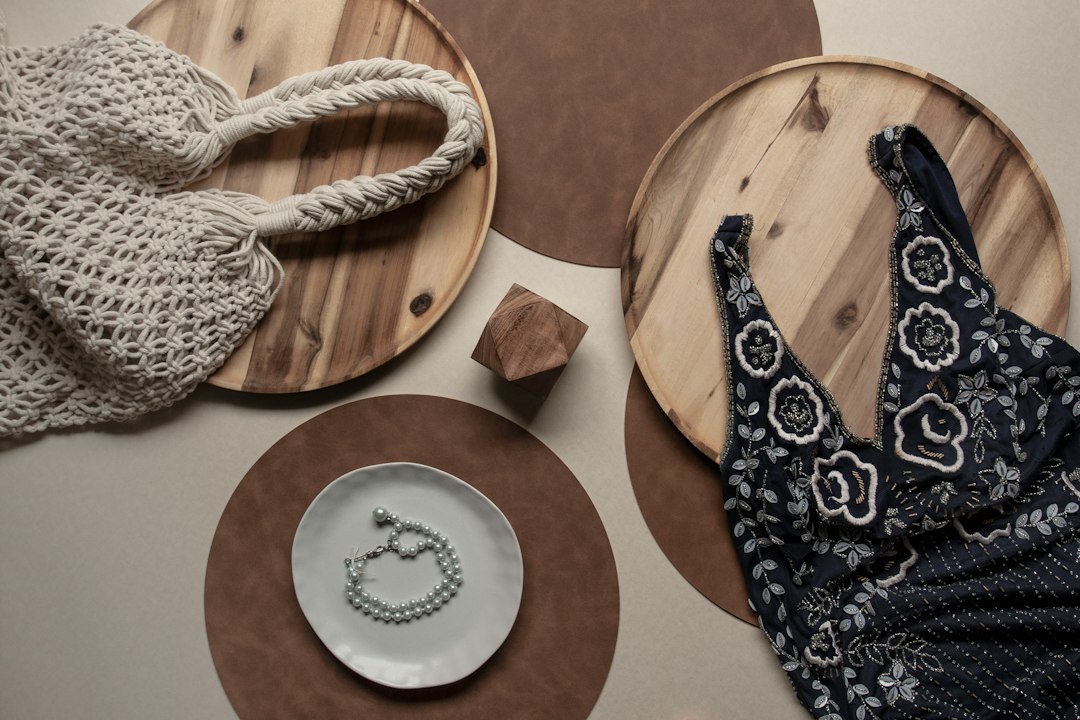
Product option: If you want an everyday, durable eco option, consider our wheat straw dinnerware set which balances weight and durability for frequent use.
For people who entertain formally or host dinner parties
Pick classic white porcelain or bone china with clean profiles; white plates make plated food pop and mix easily with chargers and different flatware. Buy a smaller set of higher-quality pieces and add 1–2 serving platters and salad bowls that match. Look for sets with more dessert plates if you serve multi-course meals.
For a relaxed, rustic, or boho table
Handmade-looking stoneware with reactive glazes, textured rims, or earthy tones complements a rustic table. These finishes are forgiving: chips or glaze variations look intentional. If you like eclectic tables, start with a neutral base and layer in boho placemats or a table runner for contrast.
For minimalists and small-space living
Choose simple silhouettes in white or soft matte tones with stackable shapes that slip into small cabinets. A compact 4- or 8-piece service set (plate, bowl, mug) saves space—select pieces that can serve multiple functions (e.g., deep plates that act as bowls).
Color, pattern and scale: how to make the plates work with your table
Color and finish affect both aesthetics and practical use. High-contrast plates (deep blue, black) look modern but show scratches and crumbs more. Speckled or reactive glazes disguise wear. If your table or placemats are busy, pick simpler plates to avoid visual clutter. For food photography or impressive plating, white or pale neutrals remain the most forgiving choice.
Mixing and matching without looking chaotic
Mixing is easiest when you keep at least one common element: color family, rim detail, or material. For example, pair a plain white dinner plate with patterned salad plates in similar tones, or use the same glaze family in different shapes. Avoid more than three dominant patterns at once.
Buying logistics: set sizes, extras and what to avoid
- Sets: 16-piece sets typically serve four people (dinner plate, salad plate, bowl, mug). Buy 8–12 place settings if you host regularly.
- Buy extras: reserve 2–4 additional dinner plates when you first purchase—breakage happens.
- Avoid: very thin rims if you need robustness, and overly ornate gilding if you use the dishwasher frequently (unless labeled dishwasher-safe).
Care tips to keep your dinnerware looking like new
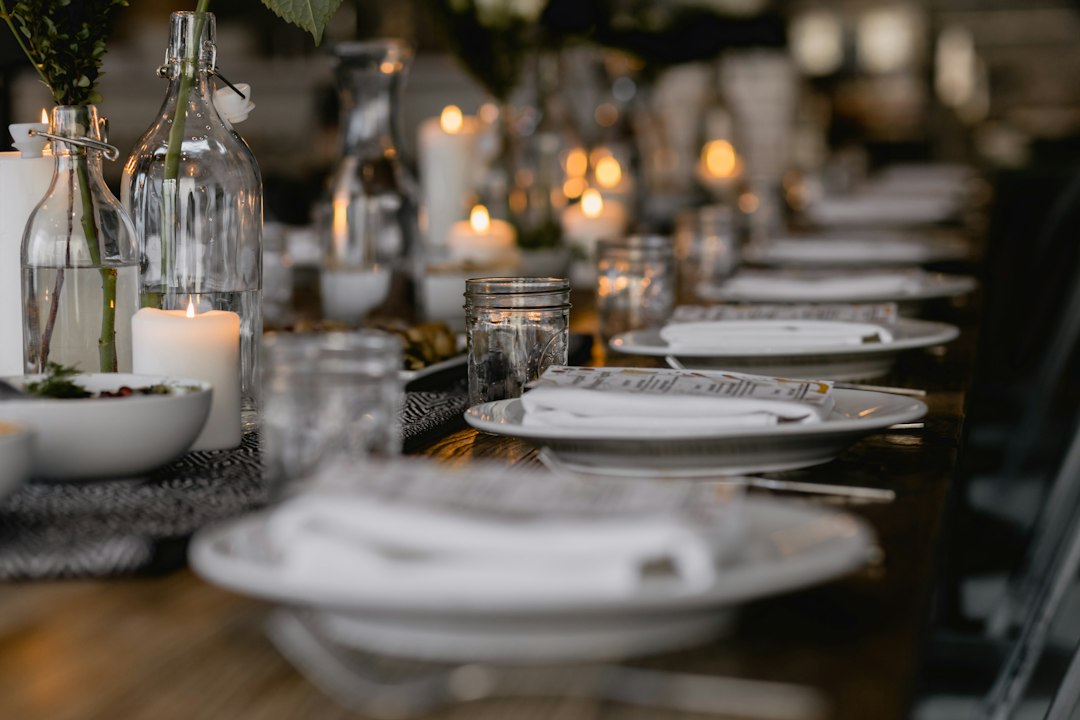
- Follow manufacturer care labels—some reactive glazes benefit from hand washing.
- Use felt or linen between stacked delicate plates to prevent abrasion.
- For microwave use, avoid metallic accents. Test for hot spots if uncertain: heat water in a mug on the plate briefly and check temperature.
Where to find matching serving pieces and finishing touches
Once you’ve chosen plates, look for matching serving bowls, platters and chargers in the same material or a complementary tone. Textiles—placemats, a runner, and napkins—anchor the look; choose textures that echo the dinnerware finish (smooth for porcelain, woven for stoneware).
For inspiration on complementary tabletop items, see our guide on Dining & Serving and consider placemats from our Dining Table Placemats collection.
- Decide primary use: everyday, entertaining, or both.
- Confirm dishwasher, microwave and oven safety needs.
- Choose material that matches durability versus aesthetic preference.
- Buy a set size that fits household and entertaining frequency.
- Pick neutral base pieces and 1–2 accents for mixing.
- Purchase 1–4 extra dinner plates to cover breakage.
Start with how you dine—frequency, hosting style and care needs—then choose a material that supports that life. Let color and finish be the final decision layer: neutrals for versatility, reactive glazes for character, and durable composites for heavy use.
How many place settings should I buy?
For daily use in a family, 8–12 place settings are sensible; 16–24 place settings work for frequent hosts. If storage is limited, buy 4–6 and supplement for guests.
Is stoneware better than porcelain?
Stoneware is heavier and more forgiving visually; porcelain is lighter, brighter and more formal. Choose based on durability needs and the look you want.
Can I mix different dinnerware materials?
Yes—mixing works well when you maintain at least one common element (color, rim detail or texture); avoid mixing too many patterns at once.
What finishes hide wear best?
Speckled and reactive glazes mask chips and scratches better than solid glossy finishes.
Should I prioritize dishwasher-safe labels?
If you use the dishwasher daily, yes—choose sets labeled dishwasher-safe to preserve finish and save time.