 Wishlist
Start by rejecting “one-size-fits-all” storage
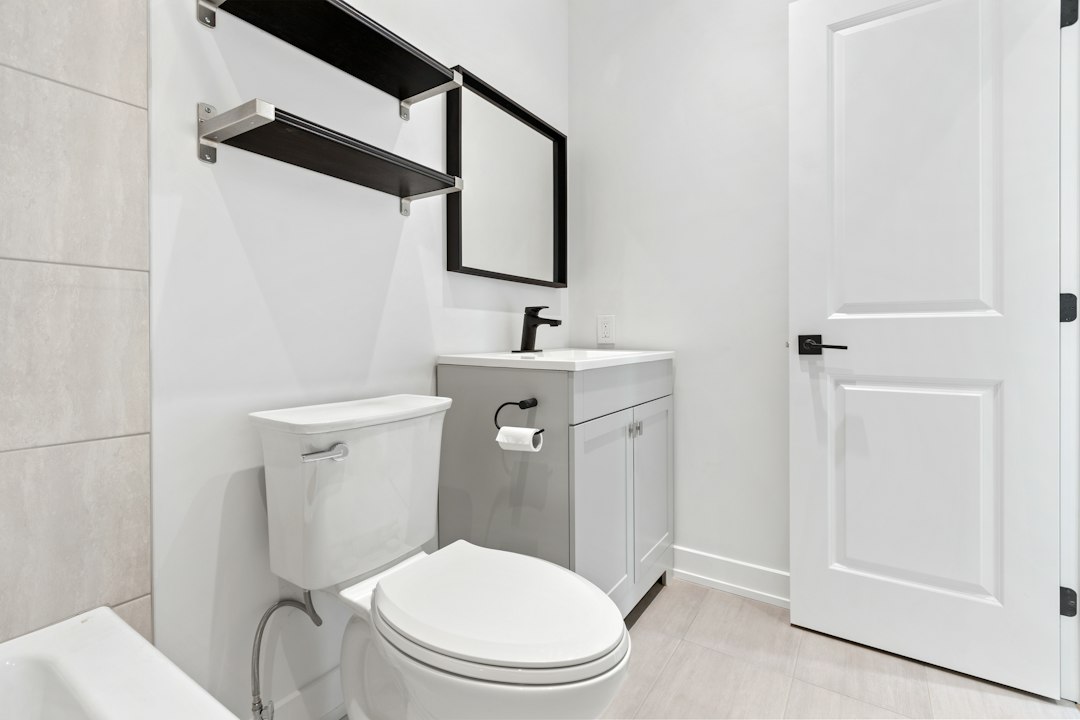
People often assume the same solutions that work in full-size bathrooms will simply scale down — they don’t. The best bathroom organization ideas for small spaces begin by measuring, prioritizing which items you use daily, and treating vertical and hidden zones (behind doors, above the toilet, and under the sink) as prime real estate.
Quick wins to reclaim counter and sink space
- Clear the countertop. Keep only your daily essentials (toothbrush, hand soap). Move everything else to a drawer or a designated shelf.
- Use attractive trays and small containers. A shallow tray groups daily items so the counter feels intentional, not cluttered.
- Magnetic strips for metal tools. Mount a small magnetic strip inside a cabinet door to hold tweezers, nail clippers and bobby pins without taking drawer space.
Make vertical storage work — the best space multiplier
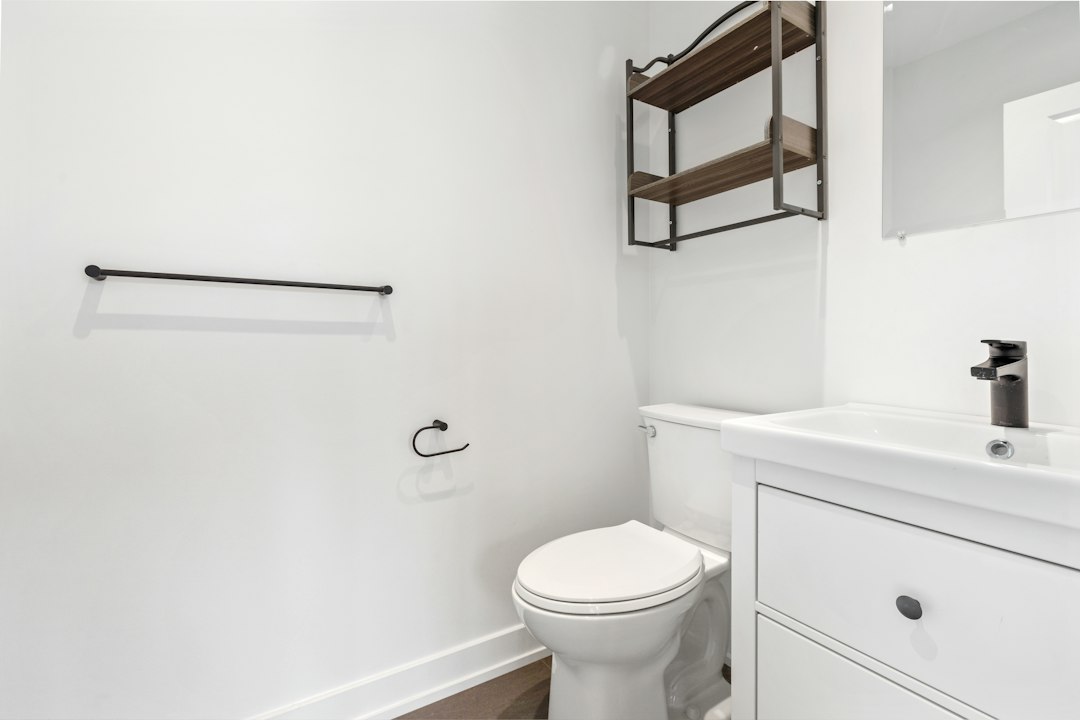
When floor footprint is limited, think up. Install narrow shelving above the toilet, a tall, slim cabinet in an unused corner, or open wall shelves for rolled towels and baskets. Choose shallow shelves (8–10 inches deep) so they don’t feel overbearing in a small room.
Tip: Put frequently used items at eye level; use labeled baskets on higher shelves for overflow and seasonal items.
Optimize under the sink with tiered and pull-out solutions
Under-sink space is awkward because of plumbing. Rather than piling bottles, fit tiered organizers or pull-out baskets that let you see everything at once. A right-angled or L-shaped under-sink organizer makes use of the narrow upper corner while leaving room for taller bottles.
Why this helps: a two-level or L-shaped under-sink organizer lets you separate cleaning supplies from personal care, prevents spills from hiding at the back, and makes restocking faster.
Divide drawers so every item has a home
Drawer organizers change how a drawer performs: they stop the “black hole” effect and speed up morning routines. Use a combination of clear modular trays for cosmetics and smaller inserts for hair ties, razors and q-tips. Reserve one shallow drawer for daily face and toothcare items only.
Use the back of the door — over-the-door racks and hooks
Over-the-door racks for towels, robes and even small bins are simple to install and free wall space. For tighter doors, swap bulky racks for slim multi-hook solutions. If you have limited closet space, an over-the-door organizer with pockets can hold extra toiletries or hair tools vertically.
Shower and tub: keep products off ledges
Shower caddies that hang from the showerhead or adhesive corner shelves keep bottles organized without drilling. Choose a caddy with drainage and at least two tiers so grooming products are separated from conditioning and cleaning supplies.
For renters, tension pole caddies are sturdy without permanent hardware and can be placed in corners with minimal footprint.
Group like with like — bi-weekly editing habit
Small bathrooms feel cluttered fast. Twice a month, empty one storage area (a drawer, the over-the-toilet shelf) and discard empties, consolidate duplicate products and wipe shelves. Regular editing prevents buildup and makes smaller storage systems perform better.
Choose containers that fit the space and your routine
Clear stackable bins are great for vanity drawers; shallow baskets work on open shelving; labeled jars keep cotton swabs and pads visible. When selecting containers, measure the shelf or drawer first — an attractive bin that’s an inch too wide will fight with adjacent items and waste space.
Small choices that make a big difference
- Swap a bulky towel bar for two hooks to double hanging capacity.
- Hang a small mirror with a shelf above the sink to combine function and storage.
- Keep a slim waste bin that fits beside the toilet or under a vanity to avoid floor clutter.
When to invest in a larger change
If you constantly run out of storage despite small fixes, consider swapping a shallow vanity for a recessed medicine cabinet or replacing a pedestal sink with one that has drawers. These are bigger projects but they convert wasted space into reliable storage.
Practical layout examples
Example A — 30–40 sq ft narrow bathroom: use a tall slim cabinet beside the vanity, an over-the-toilet shelf, and a tension pole shower caddy. Keep counters minimal with a toothbrush cup on a magnetic strip inside a cabinet door.
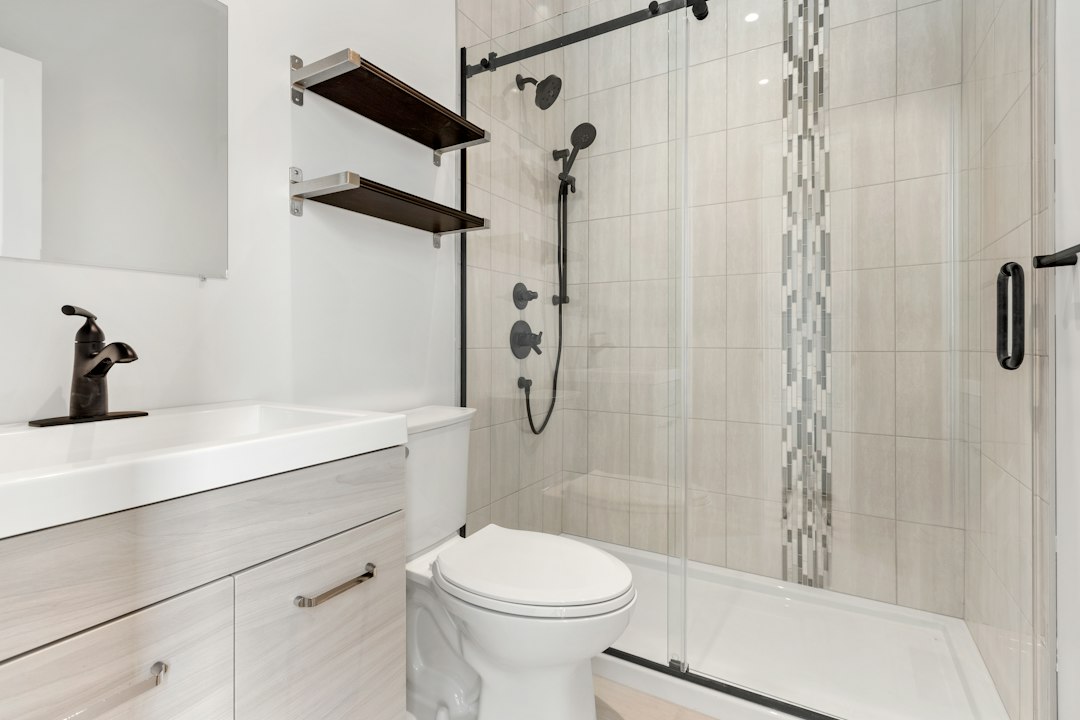
Example B — compact ensuite with no cabinet: install a recessed medicine cabinet (or a mirror with integrated shelf), an under-sink pull-out organizer, and a back-of-door pocket organizer for extras.
- Measure shelves, drawers, and door clearance before buying organizers.
- Identify and store only daily-use items within easy reach.
- Install vertical storage (over-toilet shelf or tall cabinet).
- Add a pull-out under-sink organizer for cleaning bottles and bulk items.
- Use drawer dividers and clear bins for small items.
- Schedule a 10–15 minute bi-weekly edit to remove empties and duplicates.
Small bathrooms work best when organization matches real routines and dimensions. Start with measurements, prioritize items you use daily, and choose one targeted organizer (under-sink or drawer set) to create immediate, lasting order.
What’s the easiest first step to organize a tiny bathroom?
Clear the countertop and move non-daily items into a drawer or a labeled basket on a shelf — it instantly reduces visual clutter and creates a working baseline.
Are adhesive shelves reliable for renters?
High-quality adhesive or suction shelves can be reliable for light-to-medium loads and avoid drilling; always follow weight limits and surface preparation instructions.
How do I organize a vanity with only one small drawer?
Use a clear modular tray to separate daily items and keep the drawer shallow so the top layer contains only essentials; store less-used items in a labeled basket on a shelf.
Is an over-the-toilet shelf worth it in a small bathroom?
Yes — it uses dead vertical space and can hold towels, a basket of toiletries, or decorative items without crowding the floor.
How often should I edit toiletries and products?
Every 6–8 weeks is a good rhythm for most people; a quick bi-weekly tidy of one area prevents clutter from accumulating.