 Wishlist
Quick answer — match the tool to your life, not the hype
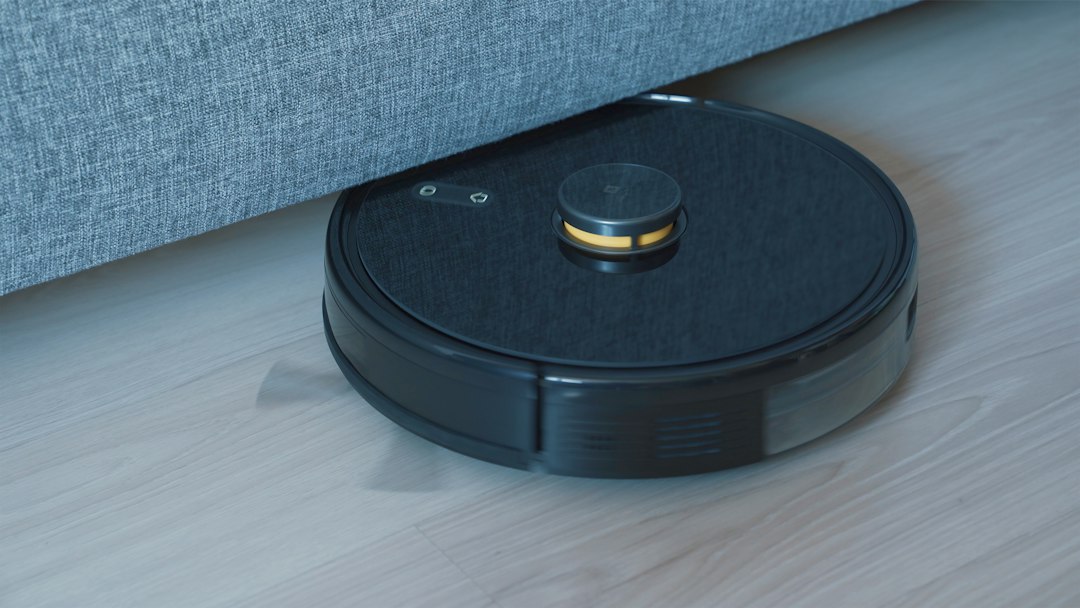
If you want truly hands-off daily maintenance and mostly hard floors or low-pile rugs, get a robot vacuum. If you need deep cleans, stairs, upholstery work, or quick touch-ups with strong suction, choose a cordless stick (or keep both). The real choice comes down to floor types, how often you’re willing to interact with the machine, whether you have pets, and where you need the vacuum to reach.
What actually matters when choosing
Rather than starting with brand names and specs, think about four practical priorities: coverage, cleaning power, convenience level, and maintenance. These determine which vacuum will be useful day-to-day.
- Coverage and access: Can the device reach the areas you need? Robots can’t clean stairs, tight corners behind low furniture, or high upholstery; cordless sticks can.
- Cleaning power and surface mix: Strong suction and a motorized brushroll matter for rugs and embedded pet hair. Robots vary — many are great for surface dirt but weaker on deep pile.
- Hands-off convenience: How much time do you want to save? Robots automate frequent maintenance; cordless sticks require manual operation but give control.
- Maintenance and ongoing costs: Emptying bins, replacing filters/batteries, and dealing with stuck debris are recurring tasks. Some robots self-empty (less frequent intervention), while cordless sticks may need more frequent dustbin clearing but are simpler to fix.
Which rooms and lifestyles suit a robot vacuum
Choose a robot vacuum if most of these apply to you:
- Your home is mostly hard floors or low-pile rugs (wood, tile, vinyl).
- You prefer daily surface upkeep without lifting a finger — crumbs, dust, and loose pet hair.
- You have an open floor plan with few cables and thresholds under about 1 inch.
- You dislike vacuuming or want to reduce the frequency of deep cleans.
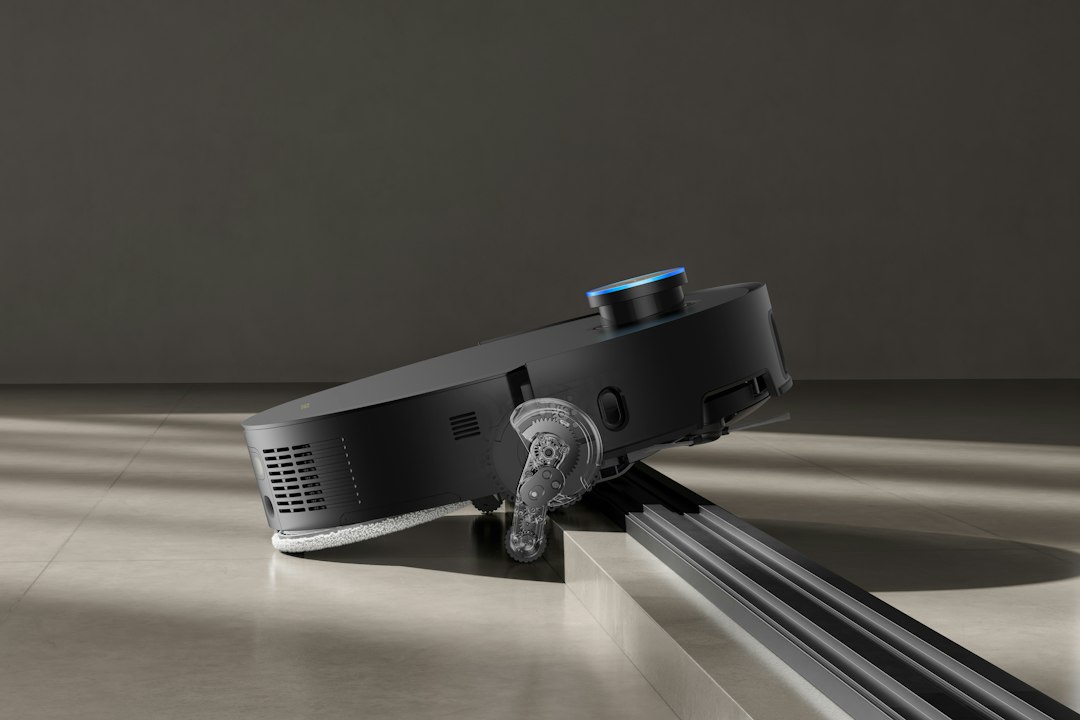
Robots shine at regular maintenance: they keep visible dust down, reduce tracked-in dirt, and can be scheduled to run while you’re out. Higher-end models add mapping, no-go zones, and automatic dustbin emptying that minimize chores further.
Which rooms and lifestyles suit a cordless vacuum
Pick a cordless stick vacuum if most of these describe you:
- You need to clean stairs, sofas, mattresses, or car interiors.
- You have medium-to-high-pile rugs or weave/area rugs with fringe that require targeted suction and brush control.
- You want fast spot cleans or the ability to go from floor to above-floor surfaces.
- Your home has lots of corners, tight edges, and furniture legs where a robot can’t reach.
Cordless sticks are versatile: many convert to handheld mode and include attachments for crevices, upholstery, and dusting. Their downside is battery limits and the manual labor of pushing and maneuvering.
Trade-offs to evaluate — battery, suction, noise, and cost
Trade-offs are where most buyers get tripped up. Think in terms of what you’ll tolerate:
- Battery life: Robots recharge and resume, but runtime limits room size. Cordless sticks usually provide 20–60 minutes per charge; high-suction modes shorten this dramatically.
- Suction vs. automation: A powerful cordless stick will usually beat a robot on suction and deep-cleaning ability. Robots win on frequency—regular shallow cleaning reduces overall buildup.
- Noise: Robots tend to be quieter; cordless sticks can be loud at full power, which matters for apartment living.
- Cost and ongoing supplies: Robots with self-emptying docks cost more and use disposable bags; cordless sticks may need battery replacements over several years.
Special cases — pets, multiple floors, and rentals
Pets: If you have heavy shedding dogs or cats, a powerful cordless stick with tangle-resistant brush and a high-suction setting is essential for deep hair removal. A robot can help keep hair from accumulating between deep cleans, but don’t expect it to replace a weekly cordless session.
Multiple floors: Robots are floor-bound; you’ll need one per level or move a robot between floors (annoying). Cordless sticks travel with you, making them more practical for multi-floor homes.
Rentals and small apartments: Robots are great for renters with open layouts who want low-effort results. Cordless sticks are preferable if you frequently clear narrow stairways or tight closets.
When a robot + cordless combo makes sense
Many households benefit from both: the robot maintains daily cleanliness, and the cordless vacuum handles stairs, spot deep cleans, and upholstery. If you can only afford one, prioritize the tool that solves your biggest pain point (e.g., stairs or pet hair).
Product recommendations that match the use cases
If you’re leaning robot-first and want strong ongoing automation with minimal intervention, this model is a solid match for typical homes:
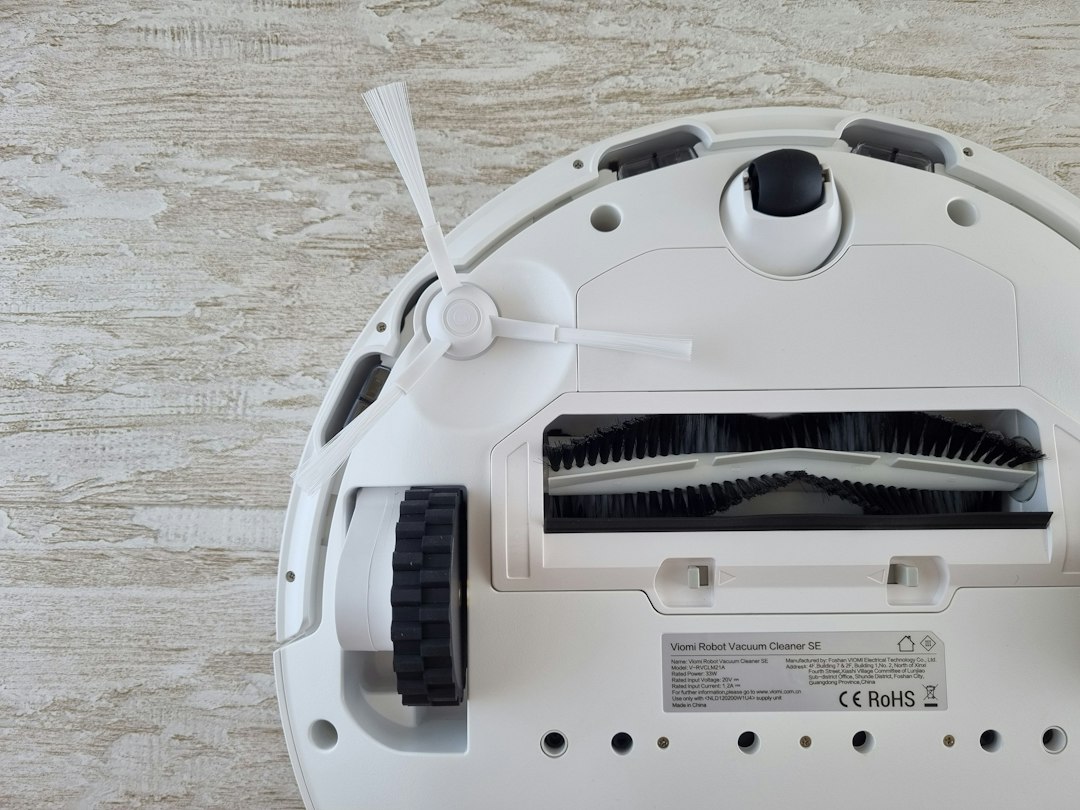
If you want deep cleaning power when you do manual work or to complement a robot, consider a highly ranked cordless stick from our catalog (see matching store listings on the site). Cordless recommendations vary by battery life and included tools; choose a model with a motorized brush and at least two power modes.
How to decide now — a short buying checklist
Answer these quick questions to make the final call:
- What percentage of my floors are hard vs. carpet? (Mostly hard → robot; mostly medium/deep carpet → cordless.)
- Do I need to clean stairs, upholstery, or the car? (Yes → cordless.)
- Do I want mostly automatic upkeep or full control over cleaning intensity and reach? (Automatic → robot.)
- Am I willing to budget for replacements (bags, filters, batteries) and occasional manual deep cleans? (No → choose a low-maintenance robot or save for a combo.)
Maintenance realities — what you’ll actually do each week
Robots: clear small obstacles, empty or schedule self-emptying, clean brushes and sensors, and occasionally remap a room after layout changes. Cordless sticks: empty the dustbin after each major clean, check/clean brushrolls, and maintain battery charging cycles.
[h2]Finishing thought[/h2>Both robot and cordless vacuums solve different problems. Start by listing your rooms, surfaces, and how often you want hands-on cleaning. That practical inventory points clearly to the right choice — and often to a two-device approach that balances everyday convenience with targeted power.
- Measure door thresholds and under-furniture clearance for robot fit.
- Check rug pile height and pet hair level for suction needs.
- Decide whether you need attachments for stairs and upholstery.
- Plan for maintenance: filter/bag/battery replacement costs.
- Confirm noise limits if you live in an apartment or work-from-home.
If you want low-effort, frequent surface cleaning on hard floors, buy a robot vacuum; if you need reach, deep cleans, or stair/upholstery work, buy a cordless stick. For many households, pairing a robot for daily maintenance with a cordless stick for targeted jobs gives the best results.
Will a robot vacuum replace a full vacuuming session?
No. Robots keep floors tidy between deep cleans but typically lack the suction and targeted tools to replace a thorough weekly session on carpets, stairs, and upholstery.
Are robot vacuums good for pet hair?
They help reduce visible pet hair, especially on hard floors, but heavy shedding usually still requires occasional cordless or upright deep cleaning to remove embedded fur.
How long do cordless vacuum batteries last?
Batteries typically provide 20–60 minutes depending on power mode; expect reduced runtime on high-suction settings and plan for replacements after a few years of heavy use.
Do robot vacuums scratch hardwood floors?
Most modern robot vacuums are safe on finished hardwood, but avoid models with worn wheels or exposed debris—check reviews and keep wheels and brushes clean to prevent scratching.
Is it worth buying a robot with a self-emptying dock?
If you want the lowest maintenance and can budget more upfront, self-emptying docks significantly reduce how often you touch dust and are worth it for busy households.