 Wishlist
Start with the result: a kitchen that works for how you actually cook
Focus on function first: identify the meals you cook, how many people you serve and the moments you want the space to support (weekday breakfasts, batch-cooking, entertaining). Ignore trendy extras you won't use—specialty gadgets, oversized appliances, or decorative-only items. A functional stylish kitchen balances durable essentials, efficient layout, and a few intentional design choices that make the space pleasant to be in.
Plan zones and the essential workflow
A clear work triangle—prep, cook, clean—still matters because it reduces steps and friction. Sketch your main zones: countertop prep near the sink, cooking centered on the stove, storage for dishes and pantry within easy reach.
- Prep zone: keep knives, cutting boards, mixing bowls and frequently used utensils here.
- Cooking zone: have your most used pots and pans and spatulas in reach of the stove.
- Cleaning zone: store dish soaps, drying racks and trash/recycling next to the sink and dishwasher.
Concentrate high-use items closest to their zone; this is the single best step for function before you buy anything new.
Choose essential products that do double duty
When you decide on products, prioritize versatility and durability over novelty. For example, a medium sauté pan and a multi-size nesting cookware set cover most recipes better than a large collection of single-use pieces.
- Cookware: pick 1–2 skillets (8–10" and 12") and a 3–4 quart saucepan. If you bake, add a 9x13 pan or a baking sheet.
- Knives: a chef’s knife and a serrated bread knife will handle 90% of cutting tasks.
- Utensils: a heat-resistant silicone set replaces separate spatulas and wooden spoons while protecting nonstick surfaces.
- Small appliances: choose one reliable workhorse—a blender or an all-in-one countertop appliance—based on the meals you make most.
Later in the article you'll find one specific utensil recommendation that fits these criteria.
Fit essentials to your kitchen size and storage type
Open shelving works for decorative, frequently used items; drawers are better for heavy cookware and utensils. Measure before buying: depth of shelves, height of clearances, and drawer internal dimensions will determine what actually fits.
In small kitchens:
- Use vertical space—magnetic knife strips, hanging rails for utensils, and wall-mounted spice racks.
- Choose stackable or nesting cookware and multi-function appliances to save counter room.
In larger kitchens:
- Create dedicated zones (baking station, coffee corner) so tools and ingredients are stored together.
Select finishes and lighting that hide wear and simplify maintenance
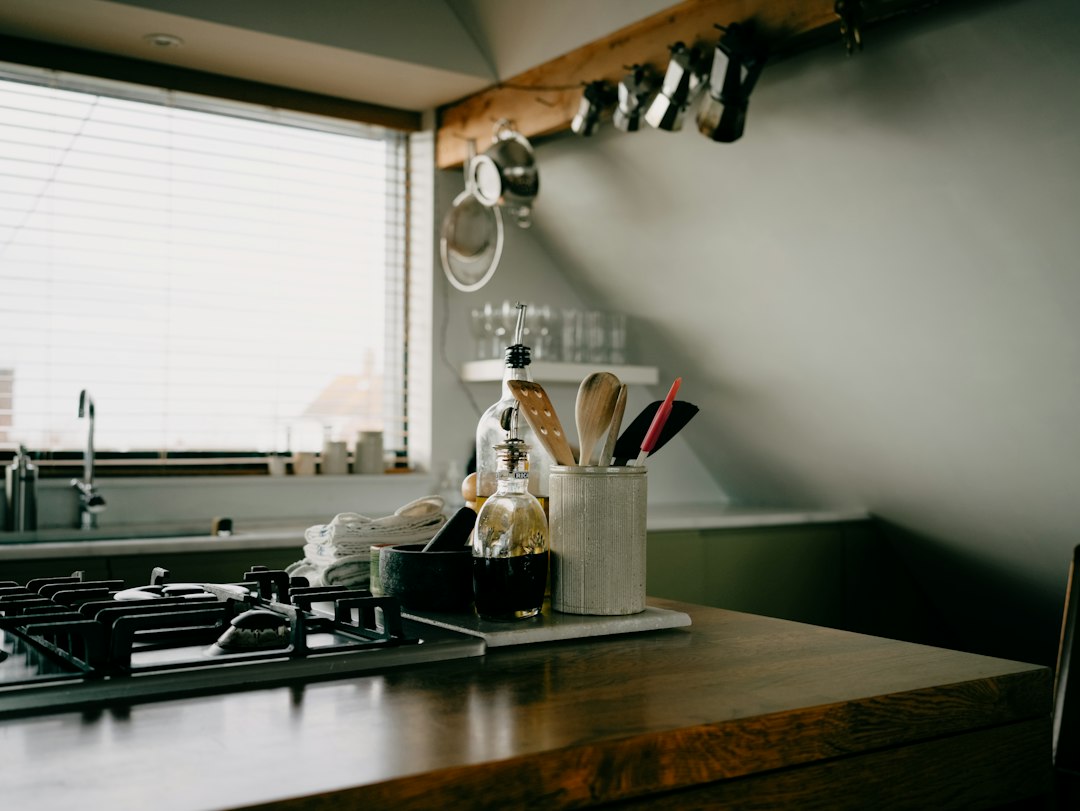
Matte or textured surfaces show fewer fingerprints than mirror-bright finishes. For countertops, pick a durable material where spills and chopping are frequent; if you want the look of natural stone without high maintenance, engineered quartz is a practical compromise. Choose cabinet hardware that is easy to grip and clean.
Layer lighting: bright overhead light for general tasks, under-cabinet task lighting for counters, and a softer pendant or dimmer for ambiance. Good lighting improves perceived style without expensive finishes.
Organize for speed: habits and hardware that make a big difference
Adopt a few organizing rules and match hardware to them:
- Pull-out drawers for pots and pans reduce bending and make nested sets accessible.
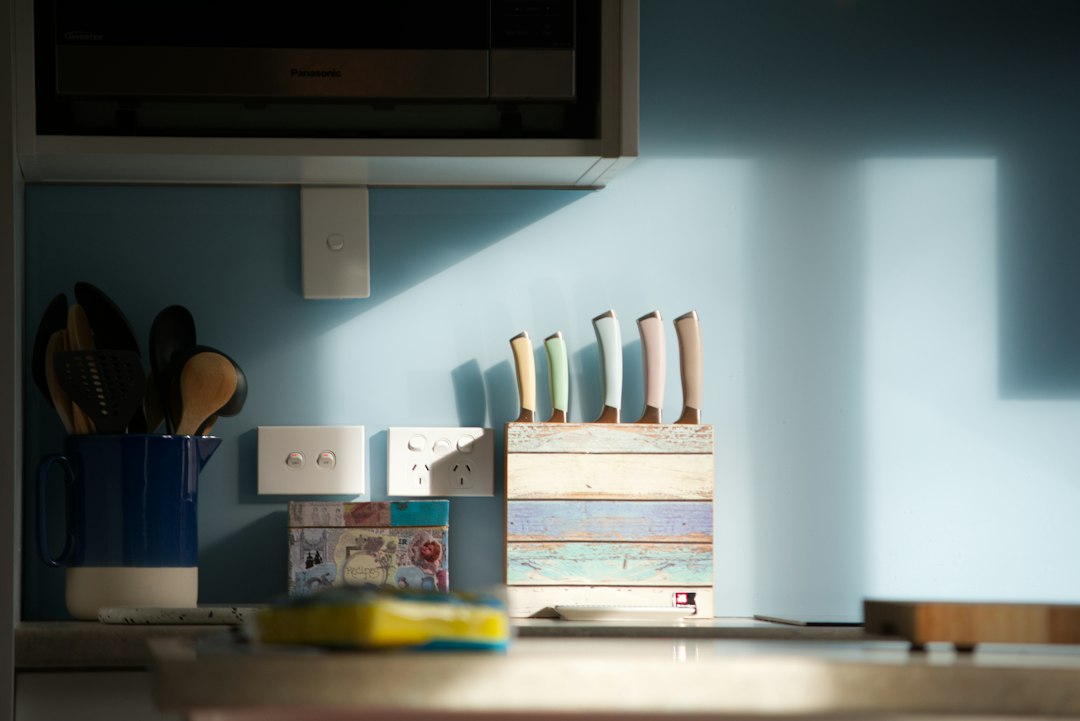
- Drawer dividers and a magnetic knife strip protect edges and speed up prep.
- Use clear, labeled containers for frequently used staples so you can find ingredients quickly.
Keep a “daily-use” shelf for the 6–10 items you reach for every day; everything else can be stored higher or less accessible.
Make one practical product choice now
If you want a simple, durable utensil solution that protects cookware, choose a heat‑resistant silicone utensil set. It replaces multiple single-use tools, cleans easily, and suits almost any kitchen aesthetic.
Troubleshooting and adaptations
Low budget
Prioritize the chef’s knife, one good skillet, and basic storage—buy secondhand or look for simple stainless steel pieces. Good lighting and an organized drawer can out‑perform expensive finishes.
Small household that entertains
Store extra serving pieces out of sight but keep serving platters and a few stackable dining dishes accessible; a compact toaster oven or countertop convection oven doubles as extra cooking capacity for guests.
Worried about clutter
Adopt a “one in, one out” rule for single-purpose gadgets and routinely audit open shelving to keep only practical, beautiful items on display.
- List the three meals you prepare most and the items each requires.
- Measure key cabinet/drawer depths before buying cookware or organizers.
- Choose 2–3 versatile cookware pieces and one reliable chef’s knife first.
- Install task lighting near prep surfaces and the stove.
- Select storage hardware (pull-outs, drawer dividers) for heavy items.
A functional, stylish kitchen starts with habits and a short list of versatile essentials rather than a long wish list. Prioritize what you use, organize by activity zones, and invest in a few durable pieces that simplify daily cooking.
How many pans do I really need?
Start with two skillets (8–10" and 12") and one medium saucepan; add pieces later when a repeat need appears.
Should I choose silicone or wooden utensils?
Silicone is heat-resistant and protects nonstick surfaces; wooden utensils are durable and pair well with rustic finishes—choose by cooking surface and cleaning preferences.
What small appliance should I buy first?
Buy the appliance that replaces the most tasks you do now—blender for smoothies and sauces, or a countertop oven if you need extra roasting/baking capacity.
How can I make my counters look stylish without clutter?
Keep only daily-use items on counters, store everything else, and add one decorative-but-functional item like a bowl of fruit or a single attractive utensil holder.
Are pull-out drawers worth the cost?
Yes for pots, pans, and heavy items—pull-outs improve access and protect knees and backs, making daily cooking faster and more comfortable.