 Wishlist
Quick takeaway: prioritize sightlines, scale and light first
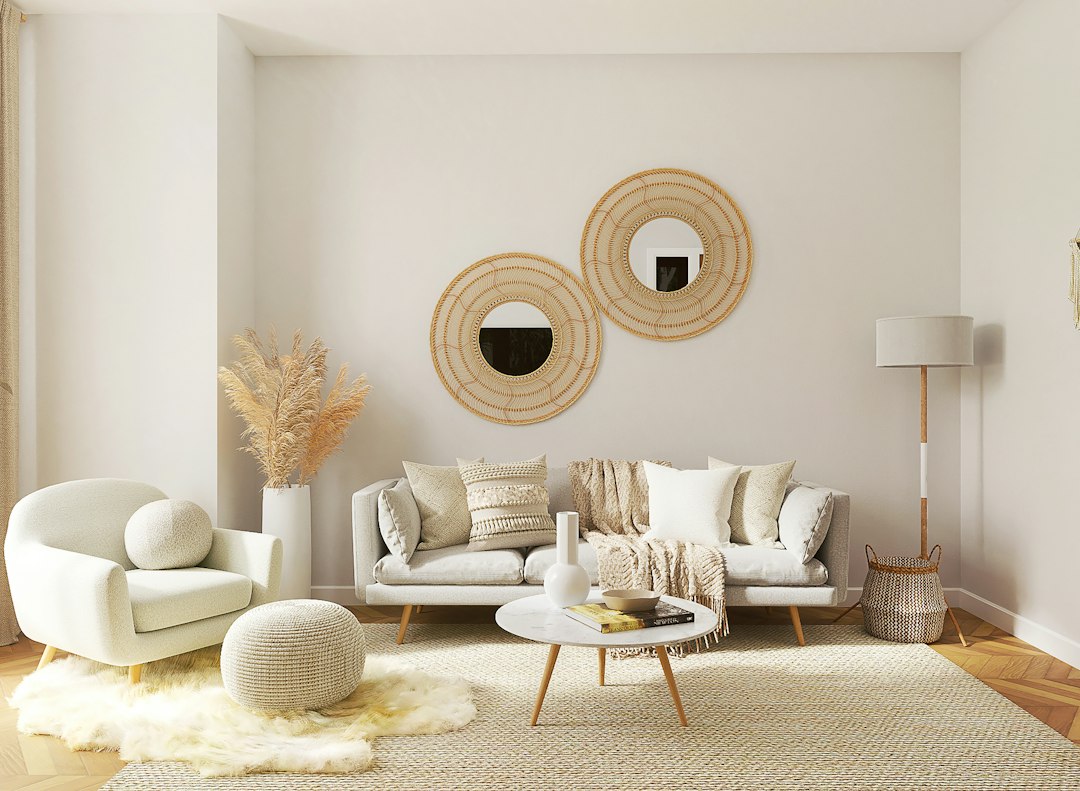
To make a small living room look bigger, focus on three things above all: keep sightlines open (no visual barriers across the room), choose furniture scaled to the space (low, narrow, and leggy pieces that don’t block views), and increase both natural and layered light. Once those fundamentals are set, use mirrors, smart rugs, and hidden storage to add polish without crowding the room.
What actually makes a room feel larger
More floor space alone isn’t what the eye reads as “big.” Perception depends on visual continuity, proportion and brightness. A low sofa placed away from the wall, a long unbroken floor path, and even, glare-free lighting create depth. Conversely, oversized furniture, heavy patterns, and lots of small objects that break up surfaces make a room feel cluttered and smaller.
Keep circulation clear: arrange for sightlines and flow
Plan seating so people can move through without detours. Float key pieces (sofa or loveseat) away from walls where possible to create visual space behind them. Use narrow furniture to define zones instead of bulky room dividers.
- Angle a sofa slightly or place a slim console table behind it to keep an open walkway.
- Prefer one clear path across the room rather than multiple small aisles.
- In tight rooms, favor chairs that can be tucked away or easily moved—stackable or armless chairs work well.
Scale furniture to the room, not to the catalog
Choose pieces with smaller footprints and exposed legs to reveal more floor. Low-profile sofas, narrow armchairs, and glass or slim-legged coffee tables visually open the space.
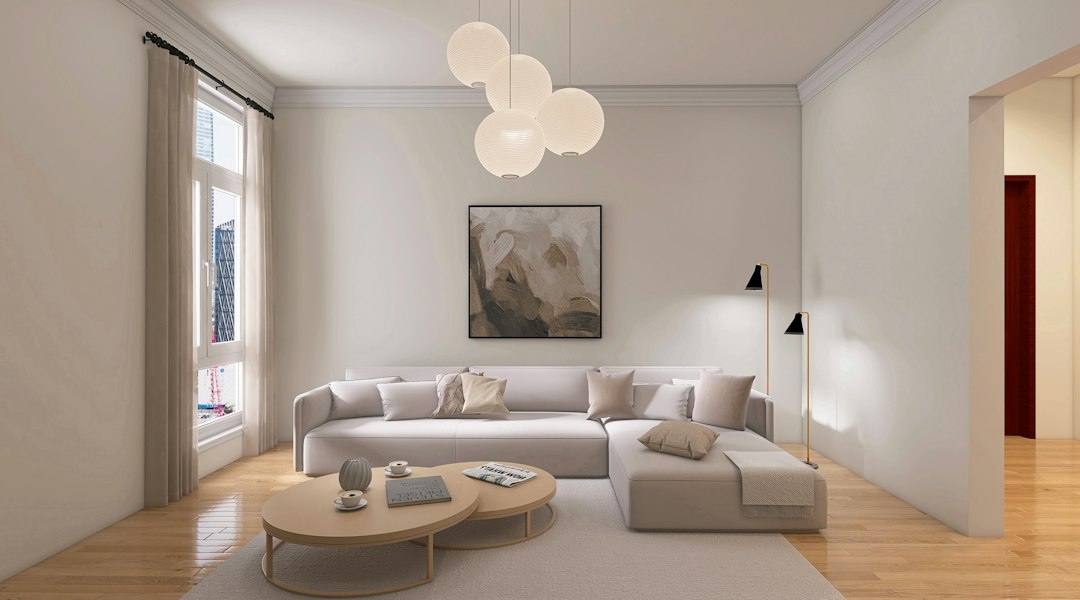
For a practical purchase pick: a slim-legged coffee table and a leggy sofa that keep the floor visible. A compact multi-functional ottoman can replace a bulky coffee table and provide hidden storage or extra seating.
Use light and color strategically
Light-reflective surfaces and a restrained palette amplify space. Walls and ceilings in light, warm neutrals increase perceived volume; contrasting trim can help define architectural features without shrinking them.
- Paint ceiling a shade lighter than walls to create height.
- Use tone-on-tone furnishings (muted blues, beiges) so surfaces recede instead of competing.
- Swap heavy drapes for translucent curtains hung close to the ceiling to lengthen the wall visually.
Bring in real and layered lighting
Maximize daylight by keeping windows unobstructed. Add layers—ambient (overhead or wall sconces), task (table/reading lamps), and accent (picture lights or strip LEDs)—to eliminate shadowy corners that shorten the room.
Mirrors and reflective surfaces for instant depth
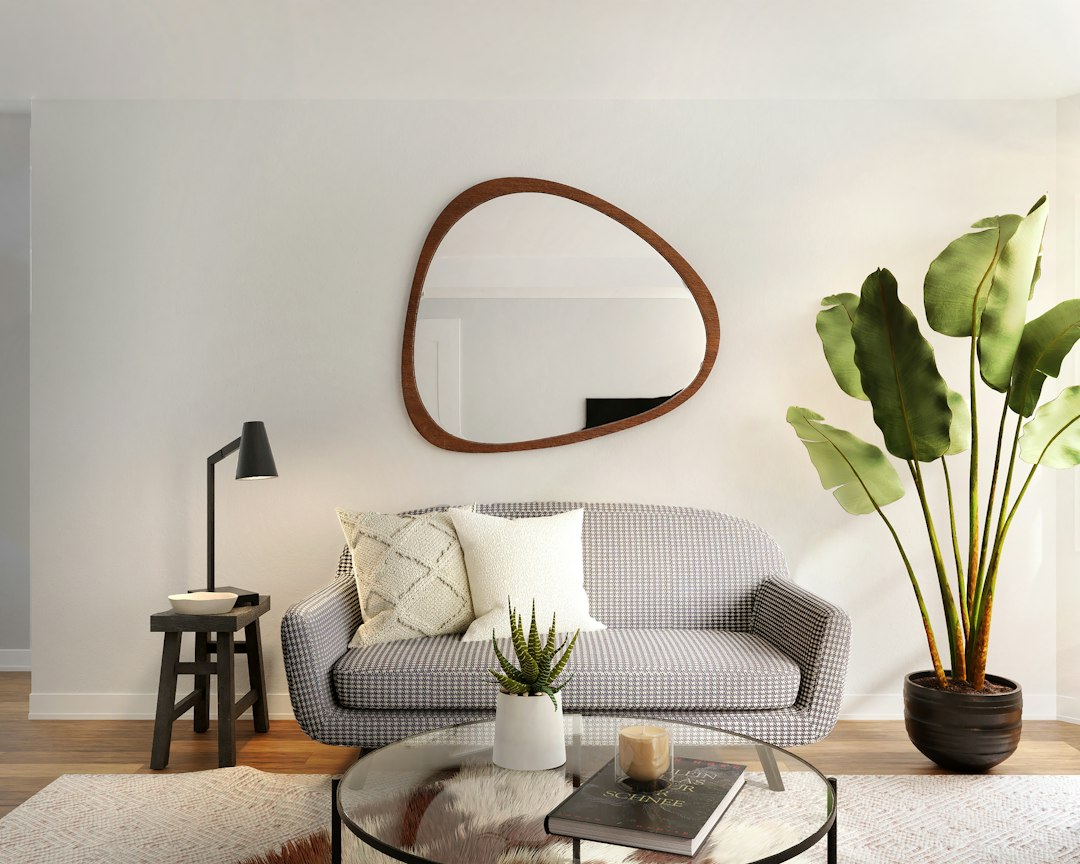
A large mirror or a group of reflective pieces doubles the apparent space by bouncing light and creating a sense of depth. Place a mirror opposite a window when possible, or use an asymmetrical decorative mirror as a focal point above a slim console.
Choose rugs and floor patterns that widen the room
A rug should anchor the main seating group; a too-small rug breaks the space into fragments and makes the room seem smaller. Pick a single rug that either goes wall-to-wall under furniture or leaves a consistent margin of floor around it to create cohesion.
- For narrow living rooms, run a long rectangular rug along the length to exaggerate depth.
- Light-colored rugs with low-contrast patterns keep the eye moving instead of stopping.
Declutter surfaces and edit decor
Visual clutter is one of the fastest ways to shrink a room. Edit tabletop decor to one or two curated objects, store small items out of sight, and use baskets or lidded boxes on lower shelves to keep tops clean.
Use vertical space and floating storage
Open shelving and wall-mounted cabinets free floor room and draw the eye upward, increasing perceived height. Keep shelves sparsely styled—books grouped by color or a couple of display vases—and leave negative space to avoid a crowded look.
Make multi-functional pieces work harder
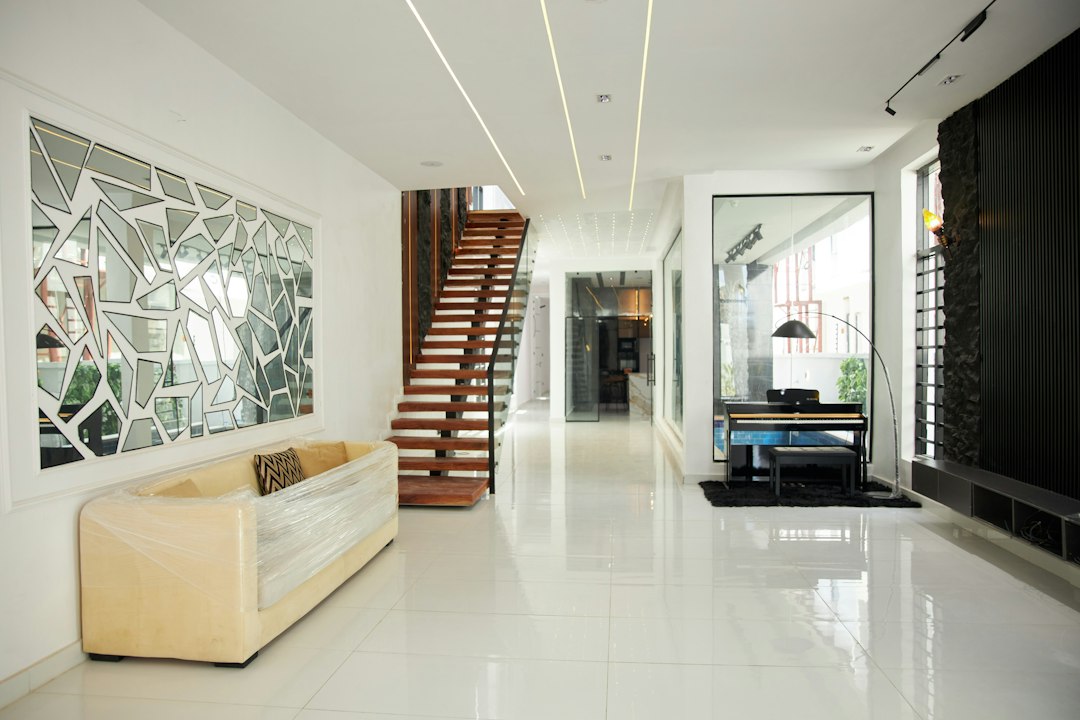
When square footage is limited, every item should earn its place. Choose seating with storage, slim consoles that double as workspaces, and nesting tables that tuck away when not in use.
When to splurge and when to save
Spend on pieces that define the room: a well-scaled sofa and a quality light source. Save on decorative accents and replaceable items like throw pillows or inexpensive side tables. Invest in a good mirror or one signature artwork to create an immediate sense of space without remodeling.
- Confirm a single main circulation path—measure at least 30" clearance.
- Pick one leggy sofa or loveseat rather than a bulky sectional.
- Choose a rug sized for the seating group (not just decorative).
- Plan layered lighting: ambient + task + accent.
- Select at least one reflective surface (mirror or glass-top table).
- Add concealed storage (ottoman, console with drawers) for small items.
Making a small living room look bigger is more about editing and proportion than expensive renovations. Clear sightlines, scale-appropriate furniture, strong natural and layered light, and a few reflective surfaces will deliver the biggest visual gains. Use storage and multi-purpose pieces to keep surfaces clean so the space can breathe.
Will painting the walls white make my small living room look bigger?
White helps by reflecting light, but the effect can feel stark if everything else contrasts sharply; softer light neutrals often create a more spacious and comfortable look while still maximizing brightness.
Is a sectional a bad idea in a small living room?
Not always—choose a compact, shallow-depth sectional with low arms and legs. Avoid oversized L-shaped pieces that block traffic or dominate the floor plan.
How big should my rug be for a small living room?
Ideally the rug should sit under the front legs of all main seating pieces or be large enough to unify the arrangement; too-small rugs visually chop the space.
Where is the best place to hang a mirror in a small living room?
Opposite or adjacent to a window is best to reflect daylight; above a low console or sofa works if it doesn’t block a sightline.
Can I use patterns in a small living room without shrinking it?
Yes—use low-contrast, large-scale patterns sparingly; small, high-contrast prints tend to make surfaces feel busy and close in the room.