 Wishlist
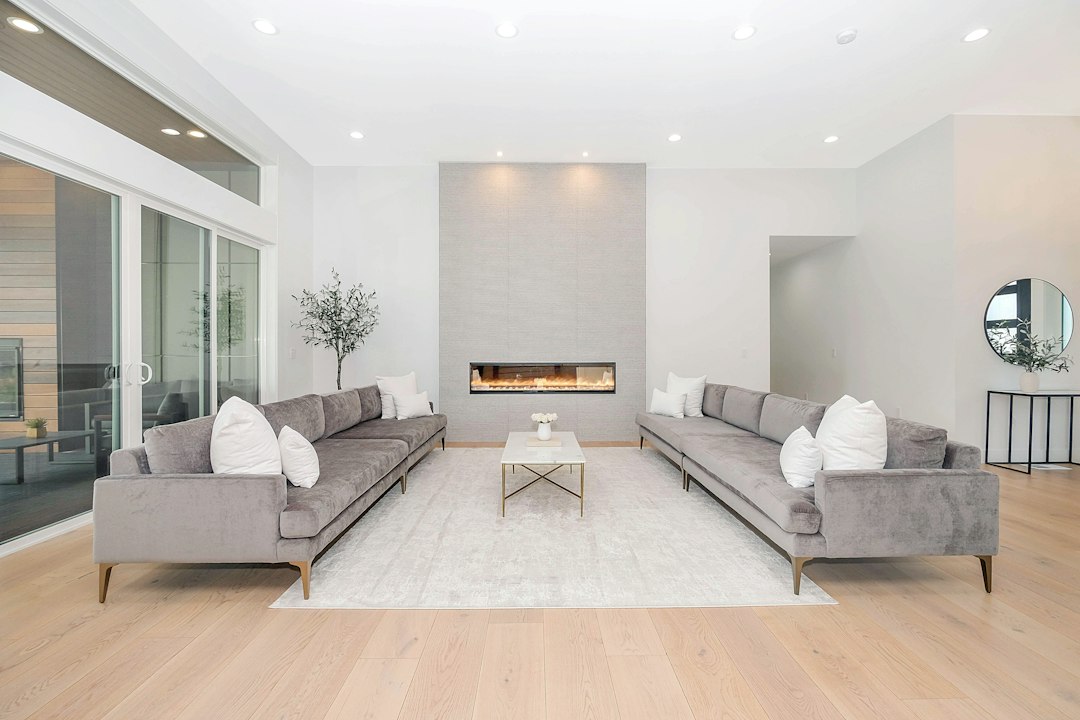
What really matters (and what you can ignore)
If you want a rug that looks intentional and lasts, focus on three things: correct size and placement for the room’s furniture, the right fiber and pile for how the room is used, and a simple maintenance plan (pad + cleaning). You can safely ignore trends in exact patterns, temporary color fads, and marketing claims about “luxury” that don’t match how the rug will be used.
Quick answer: choose area rug size and material by room use
Decide the room’s priority first. For living rooms prioritize size and anchoring; for bedrooms prioritize comfort; for kitchens, mudrooms and hallways prioritize durability and washability; for dining rooms prioritize stain resistance and a size that fits chairs out when pulled.
How to pick rug size and placement that looks right
Size is the single most visible mistake. Here are practical layouts that work.
- Living room: For a standard seating group, aim for an 8x10 rug so the front legs of all main furniture sit on the rug. If room is smaller, a 5x8 can work if at least the front legs are on; avoid tiny “area” mats that float in the middle of furniture.
- Bedroom: Use an 8x10 or 9x12 under a queen/king so the rug extends at least 18–24" around the bed sides and foot; for a 5x7, place it under the lower two-thirds of a full or twin bed so you step onto the rug.
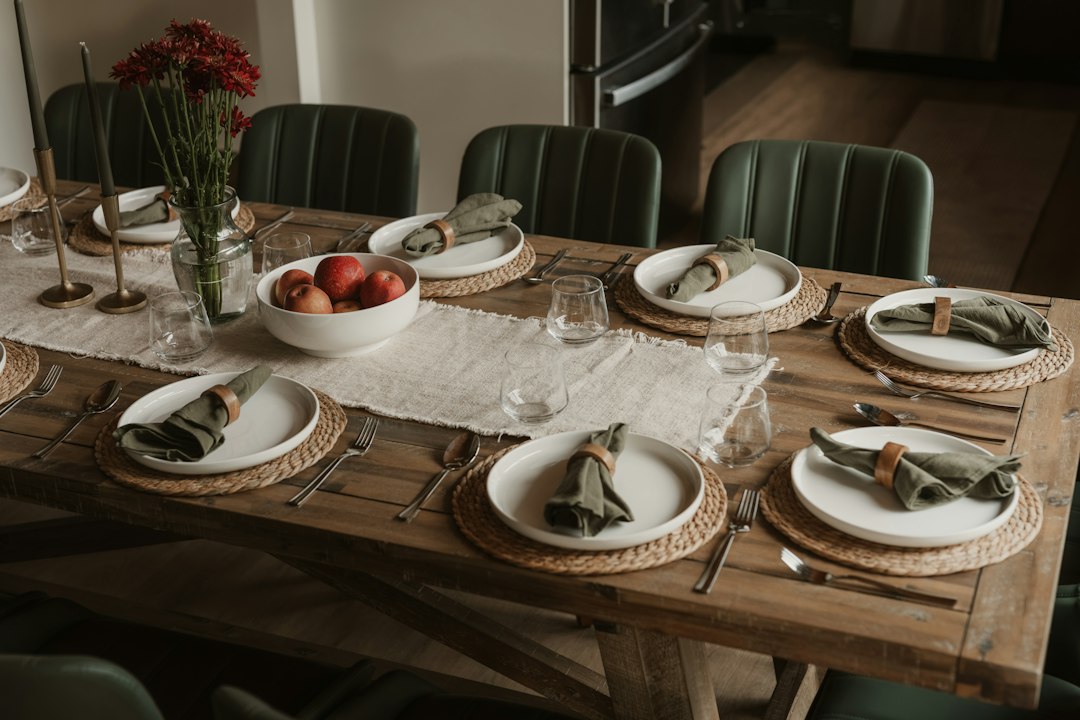
- Dining room: Choose a rug that extends 24–30" beyond the table on all sides so chairs remain on the rug when pulled out.
- Hallway/entry (runners): Leave 4–6" of floor visible on both long sides and avoid a runner that stops short of the door it serves.
- Kitchen and high-traffic spots: Use smaller washable rugs or runners placed where feet stand most (sink, stove). Don’t attempt a large decorative rug where spills and grease are frequent.
Which rug materials actually perform in each room
Match fiber and pile to the room’s traffic and cleaning needs:
- Wool: Durable, naturally stain-resistant and ideal for living and dining rooms; more expensive but ages well.
- Synthetic (polypropylene, polyester): Best for high-traffic areas and washable rugs; resists stains and often less expensive.
- Natural plant fibers (jute, sisal): Great texture for low-traffic rooms but harder to clean and not ideal near spills.
- Cotton: Lightweight and washable, good for kitchens and casual spaces but less resilient under heavy furniture.
- Shag or high pile: Comfortable in bedrooms or lounges but traps more dirt and requires deeper cleaning.
Practical care and pad choices that extend life
Always pair the rug with a properly sized pad: it prevents slipping, reduces wear and improves comfort. Choose a pad slightly smaller than the rug edge so it doesn’t show. For hardwood floors, pick a thin felt-and-rubber pad; for tile or high-traffic, thicker cushioned pads reduce movement.
Maintenance: vacuum regularly, blot spills immediately (don’t rub), and plan professional deep cleaning once every 1–3 years for wool or large rugs. Machine-washable options remove the need for frequent professional cleanings in kitchens and kids’ rooms.
Styling decisions that matter—and the ones that don’t
Choose pattern and color based on contrast and room scale, not trend chasing. A patterned rug hides wear and stains better in active households; a solid or tonal rug reads calm in small rooms. For small spaces, a rug with a border or subtle pattern can make the room feel larger; large bold patterns need more surrounding neutral space to avoid visual overwhelm.
Layering rugs is useful when the grade of comfort or texture differs—for example, a flatwoven jute under a soft wool runner creates durability plus cushion where needed. Keep the top rug smaller and centered so edges of both are visible.
When to choose washable rugs—and one recommended option
If you expect spills, pets, kids, or need frequent cleaning, pick a machine-washable rug sized for the space. These are especially smart for kitchens, mudrooms and playrooms.
How to choose a rug for a tricky layout: open plan and floating furniture
In open-plan spaces, use rugs to define zones: living, dining, reading. For a floating sofa, place a large rug under the entire seating group so pieces feel anchored. If you must use smaller rugs, align them so movement between rugs feels intentional—parallel edges or a consistent gap work best.
Two other useful product options
For vintage-inspired pattern needs (living or dining):
For a washable small rug option in busy areas (5x7 runner or small accent):
- Measure furniture group and room—mark where rug edges will fall.
- Decide the main function: comfort, stain resistance, or zone definition.
- Choose fiber based on traffic: wool for longevity, synthetics for washability.
- Pick a pad sized slightly smaller than the rug.
- Confirm rug extends 18–30" beyond major furniture (adjust by room type).
- Test color/pattern with sample swatch or taped cardboard before ordering.
Start with size and placement that anchor furniture, then select a fiber and pile suited to use and maintenance. Add a pad and a realistic cleaning plan—those choices determine how long the rug will look and perform.
What size rug should go under a living room sofa?
Ideally, choose a rug at least large enough for the front legs of the sofa and chairs to sit on; an 8x10 fits most standard seating groups. In tight rooms, a 5x8 that takes front legs works acceptably.
Are machine-washable rugs durable?
Yes for small, high-use areas like kitchens, kids’ rooms and mudrooms; they’re less common in large sizes, so for big living-room rugs look for easy-clean synthetic or stain-resistant wool.
Do I need a rug pad?
Yes—pads prevent slipping, protect flooring, reduce wear, and add cushioning. Choose pad thickness based on floor type and rug pile.
Can I use a round rug under a rectangular table?
Only if the table fits visually: a round rug works best under round tables where the rug extends roughly 24" beyond the chairs; avoid mismatched shapes unless used intentionally to soften the room.
How often should I deep-clean my rug?
Vacuum weekly (or more in high-traffic homes) and plan professional cleaning every 1–3 years for wool or large rugs; machine-washable rugs can be laundered per manufacturer directions more frequently.