 Wishlist
What a consistently clean counter looks like (and why most plans fail)
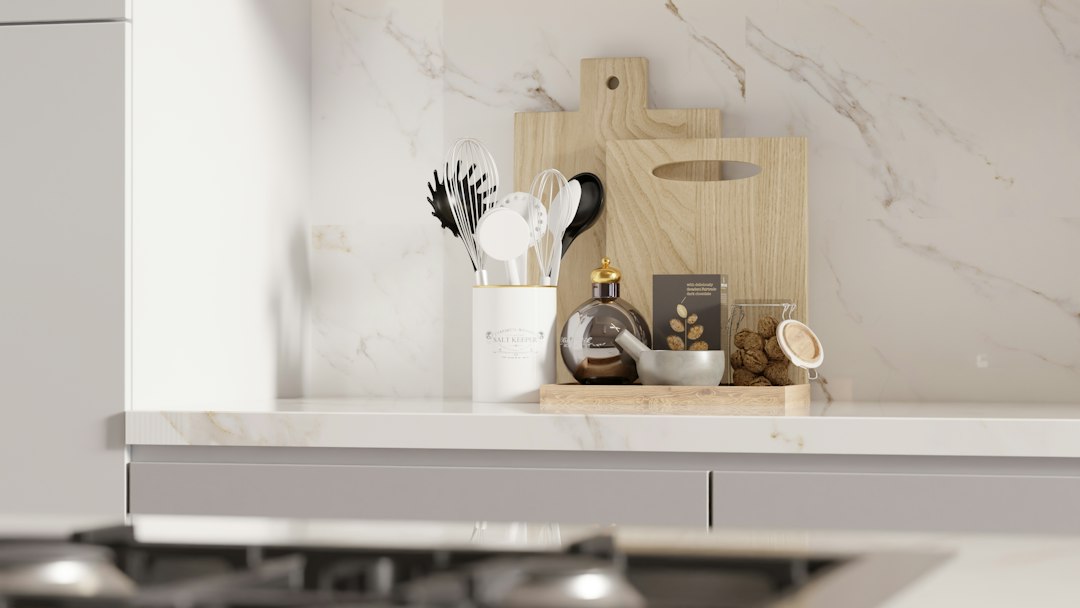
A reliable end result is a mostly clear surface where you can prep food in 30–60 seconds without moving four things. To reach that, focus on daily habits plus a compact home for the handful of items you actually use every day. Many attempts fail because people try to remove everything at once or rely on deep cleans alone—cleaning is easier when you change how you use and store items so clutter never settles.
Keep kitchen counters clean: a practical sequence
Below is a short, repeatable workflow. Use it once to set up your system, then follow the brief daily and weekly steps to keep it working.
1. Clear and categorize
Start by removing everything from your counters and group items into: daily essentials (coffee maker, cutting board), weekly-use items (toaster, spice jars), and rarely-used things (appliance manuals, decorative trays). If you weren’t aware, decorative collections often grow because there’s no default “home” for them—assign one.
2. Decide what truly belongs on the counter
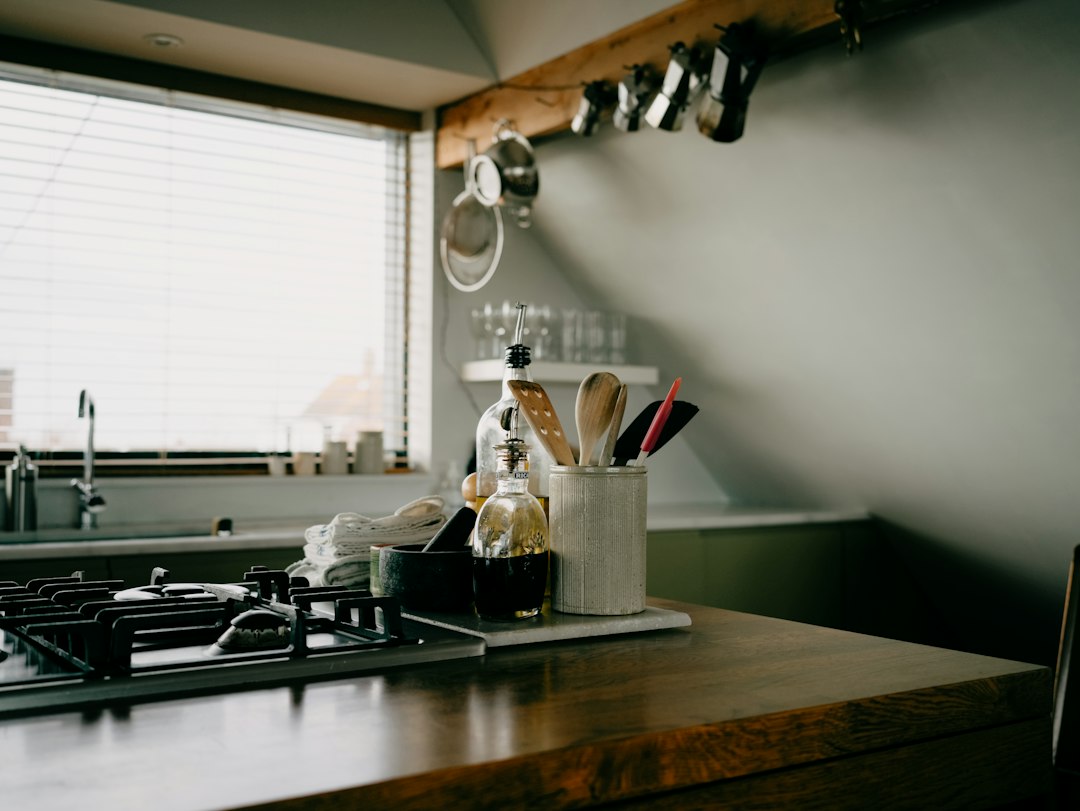
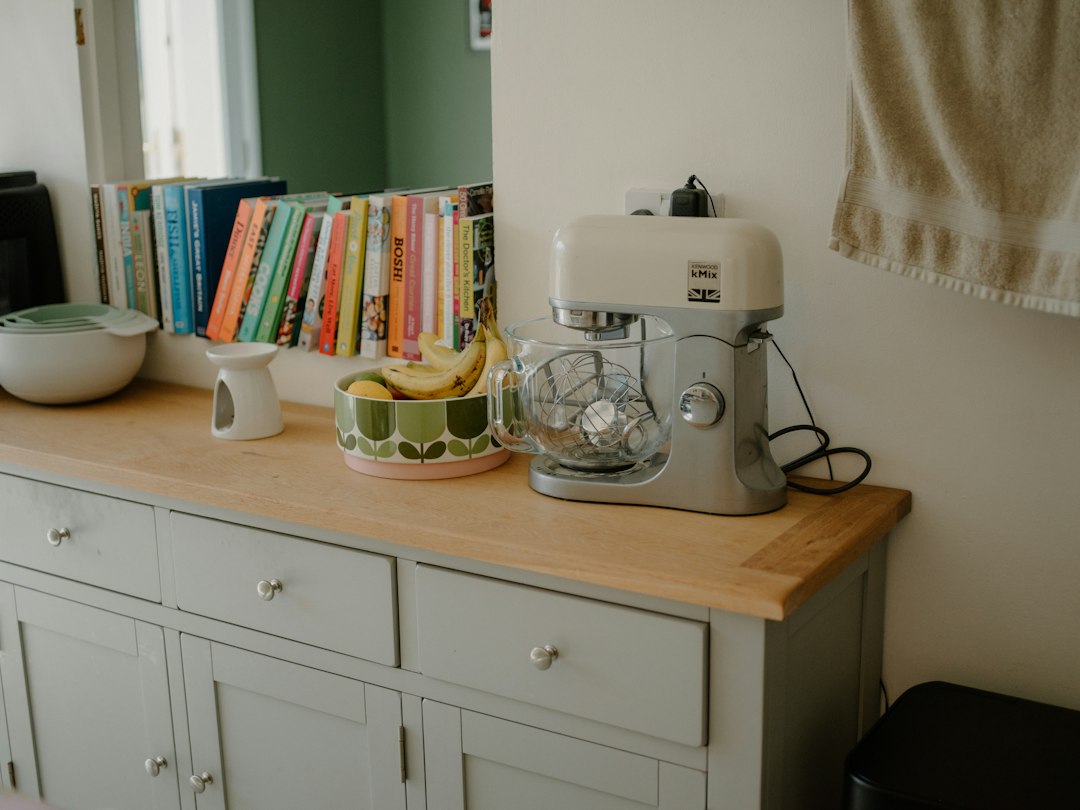
Limit countertop residents to items that either need to be there for function or improve daily workflow. Examples that usually merit a counter spot: a coffee maker in the coffee zone, a utensil crock next to the stove, a spice rack within arm’s reach of the stove. Anything else goes into cabinets, drawers, or a pantry.
3. Create functional zones
Divide your counter into 2–4 zones: prep (near sink), cooking (near stove), coffee/breakfast, and landing (near the entrance). Place only the items for each zone within each area. This reduces cross-counter migration—salt and pepper stay by the stove, mail doesn’t accumulate on the prep surface.
4. Choose compact, visible homes
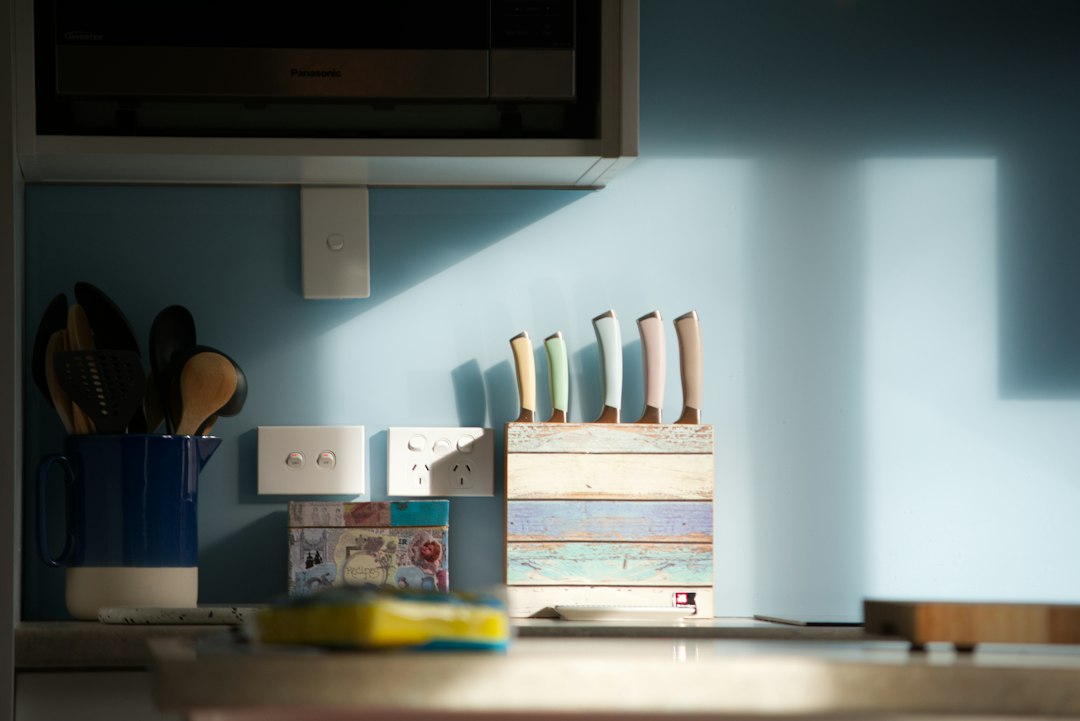
Vertical storage and narrow organizers keep counters visually open. Use a small tiered spice rack instead of a dozen loose jars, store cutting boards upright in a tray, and choose a low-profile knife block or magnetic strip on the backsplash. For cleaning supplies, an under-sink organizer frees the counter while keeping tools accessible.
Product suggestion: if you want a compact spice solution that fits directly on the counter without spreading clutter, consider the store’s top-rated bamboo spice rack that stacks vertically and keeps jars contained.
5. Adopt a short daily tidy habit
Spend 2–4 minutes each evening: put away stray items, wipe crumbs, and return zone-specific items to their homes. A quick spray of an all-purpose cleaner or a damp microfiber cloth keeps sticky residues from building up and reduces the need for elbow-grease scrubbing later.
6. Establish a weekly reset
Once a week, empty one counter zone completely and clean the surface thoroughly—move small appliances and clean beneath them. Rotate tasks like descaling the coffee maker or sharpening knives. This deeper check prevents “out of sight” mess from becoming permanent clutter.
[h3]7. Use containment, not concealment[/h3]Containment means giving each type of object a designated, single place. A utensil crock holds only frequently used spoons; a dish-drying rack is stored away when not in use. Concealment—shoving things into drawers with no system—often creates jammed drawers and future countertop overflow.
Troubleshooting common problems
“My counters still feel cluttered after I clear them”
Look for single-theme contributors: mail, kid’s artwork, or rarely-used small appliances. Add a slim landing tray for mail and keys, a hanging clip for kids’ papers, and move seldom-used appliances into a cabinet or the garage. Visible storage that’s too large (oversized jars, decor) should be swapped for smaller, more purposeful pieces.
“I don’t have enough cabinet space”
Use vertical risers, door-mounted racks, and tiered countertop organizers to reclaim usable space. Magnetic strips, hanging rails, and under-cabinet hooks multiply storage without eating surface area. If countertop real estate is extremely limited, prioritize a clear prep zone and tuck everything else away.
“Appliances keep getting left out”
Make leaving them put an active decision: store an appliance behind an easy-to-open cabinet or on a rolling cart. If it’s genuinely used daily, accept the counter spot but limit surrounding items to preserve the look.
Small habits that preserve clean counters
- Wipe as you go while cooking—wipe spills immediately, not later.
- Keep one drawer for miscellaneous small items so keys, rubber bands and chargers don’t migrate to the counter.
- Use matching containers for frequently used items to give a tidy, intentional look even when a few things remain on the surface.
- Set a weekly calendar reminder for the reset so it becomes a routine, not a crisis.
When to change your system
Adjust if your routine or household changes—new appliances, different meal patterns, or more people using the kitchen. A minor reassessment every six months keeps your counter strategy aligned with your needs.
- Clear all items and sort into daily, weekly, and rarely-used piles.
- Create 2–4 functional counter zones and move items accordingly.
- Install at least one vertical organizer (spice rack, cutting board holder, or magnetic strip).
- Set a 2–4 minute nightly tidy routine and a weekly reset on your calendar.
Keeping kitchen counters clean is less about eliminating everything and more about giving the right things the right homes. Pair compact storage solutions with a two-minute nightly habit and a weekly reset for a consistently usable surface.
How often should I deep-clean my countertops?
Do a deeper clean once a week—move appliances, wipe backsplash and edges, and sanitize if you’ve handled raw meat or sticky substances.
What’s the best way to deal with mail and paper clutter?
Use a slim wall-mounted or counter landing tray near the entry; sort mail weekly and recycle or file immediately to prevent pileup.
Which items are okay to leave on counters?
Keep only daily-use appliances, a utensil crock near the stove, and a small spice rack in the cooking zone; everything else belongs in a cabinet or drawer.
Can small kitchens still keep counters clear?
Yes—prioritize one clear prep zone, use vertical and under-sink storage, and choose multipurpose or foldable tools to reduce surface items.