 Wishlist
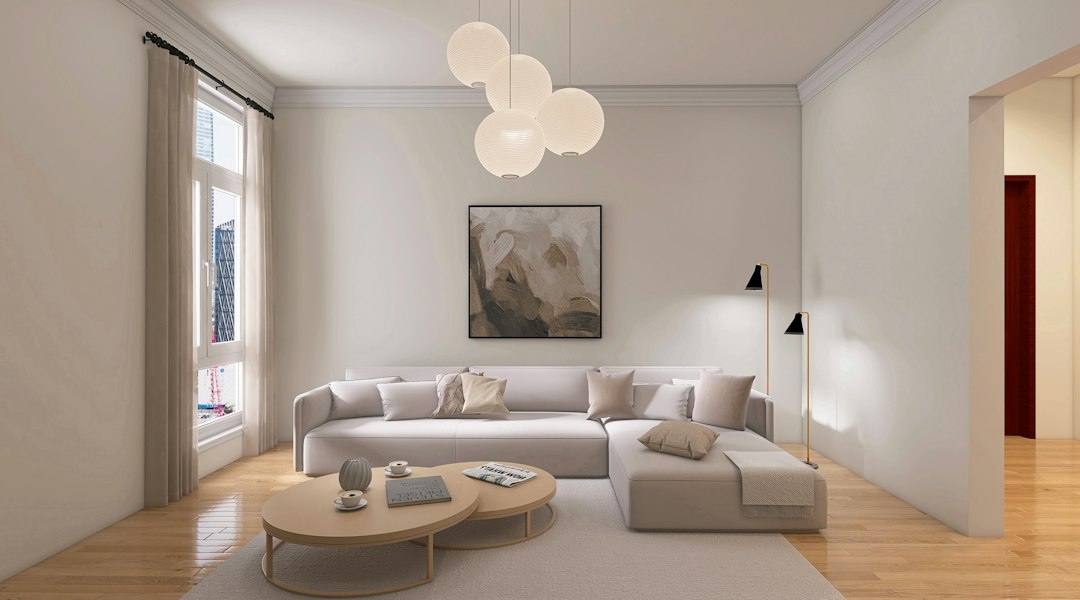
Good lighting doesn’t come from one single fixture; it’s the way light is layered, controlled and placed for the activity in each room. Before you buy a lamp or a pendant, decide what you actually need the space to do — see, set a mood, or both — then make choices that prioritize function, flexibility and energy efficiency.
What actually matters when selecting lighting
Start with these practical priorities so purchases solve real problems:
- Function first: match light to tasks (reading, cooking, grooming, working).
- Layering: combine ambient, task and accent lighting so the room adapts.
- Color temperature (Kelvin): warmer light (2700–3000K) for relaxing spaces, cooler (3500–4000K) where clarity matters.
- Brightness in lumens: pick lumens, not watts—more lumens = more visible light.
- Controls and dimming: a dimmer or multiple switches multiplies usefulness.
- Scale and placement: fixture size and mounting height affect glare and coverage.
Living room: balance mood and multi-use tasks
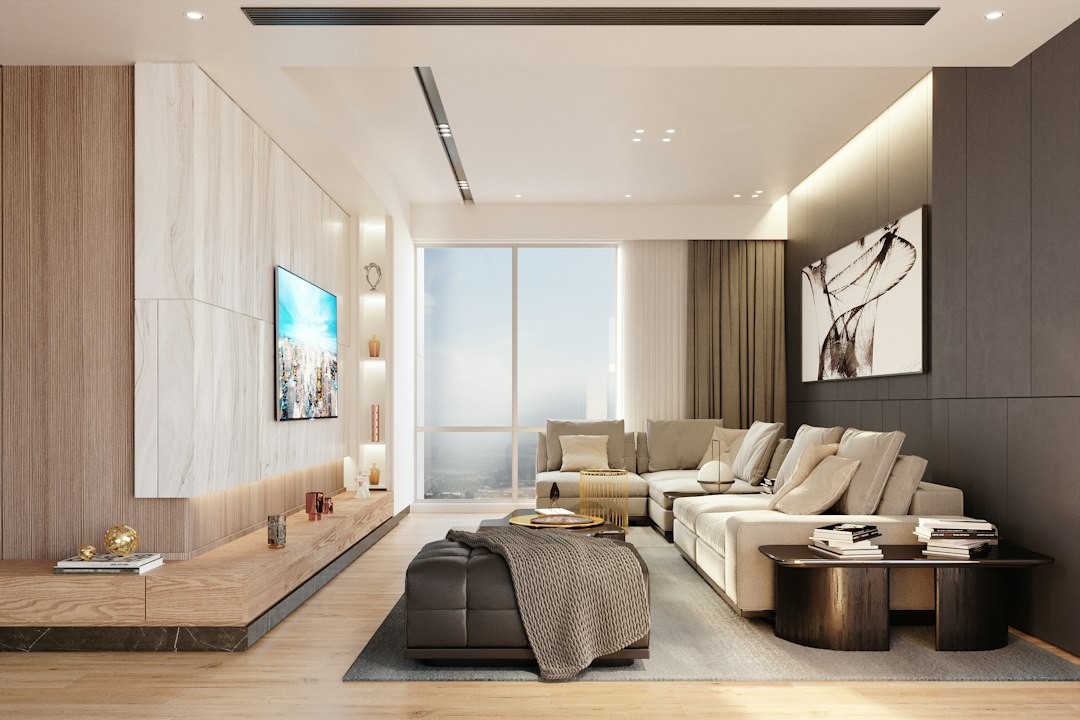
Living rooms host lounging, reading, TV watching and occasional work. Layering is essential.
- Ambient: a central chandelier, semi-flush mount, or recessed cans provide base light—aim for 1,500–3,000 lumens total depending on room size.
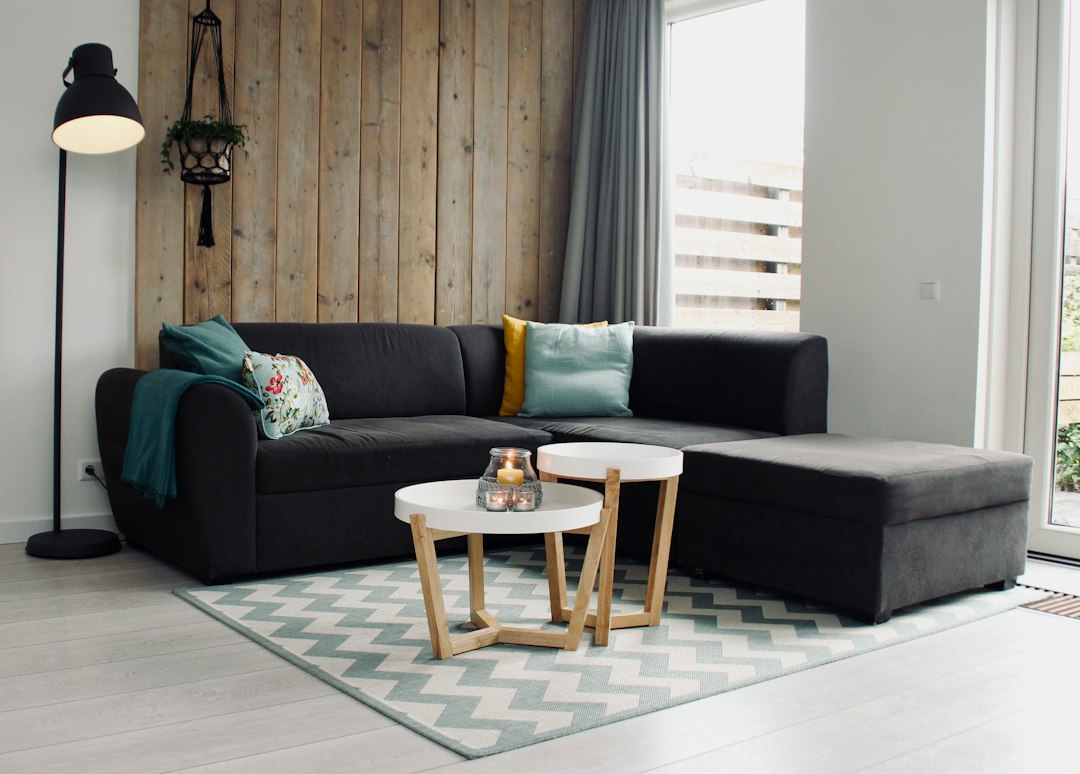
- Task: a floor lamp with a directed head or a table lamp beside seating provides 400–800 lumens for reading.
- Accent: wall sconces, picture lights or LED strips highlight art or architectural details.
- Color temp: 2700–3000K keeps the room warm and inviting.
- Control tip: put main ambient on a dimmer and use separate switches for task lights to avoid over-lighting the TV area.
Kitchen: prioritize task lighting and glare-free surfaces
Kitchens need bright, shadow-free light where you prep and cook. Think counter-first, ceiling-second.
- Task: under-cabinet LED strips or puck lights directly over counters eliminate shadows—aim for 300–500 lux at the work surface.
- Island lighting: pendants over an island should hang 28–34 inches above the counter and provide focused light; choose multiple pendants for even coverage.
- Ambient: recessed or a central fixture provides general illumination; avoid a single dim pendant for whole-room light.
- Color temp: 3000–4000K gives clean, accurate color for food prep.
- Durability: choose fixtures rated for damp environments and easy-to-clean finishes near cooking zones.
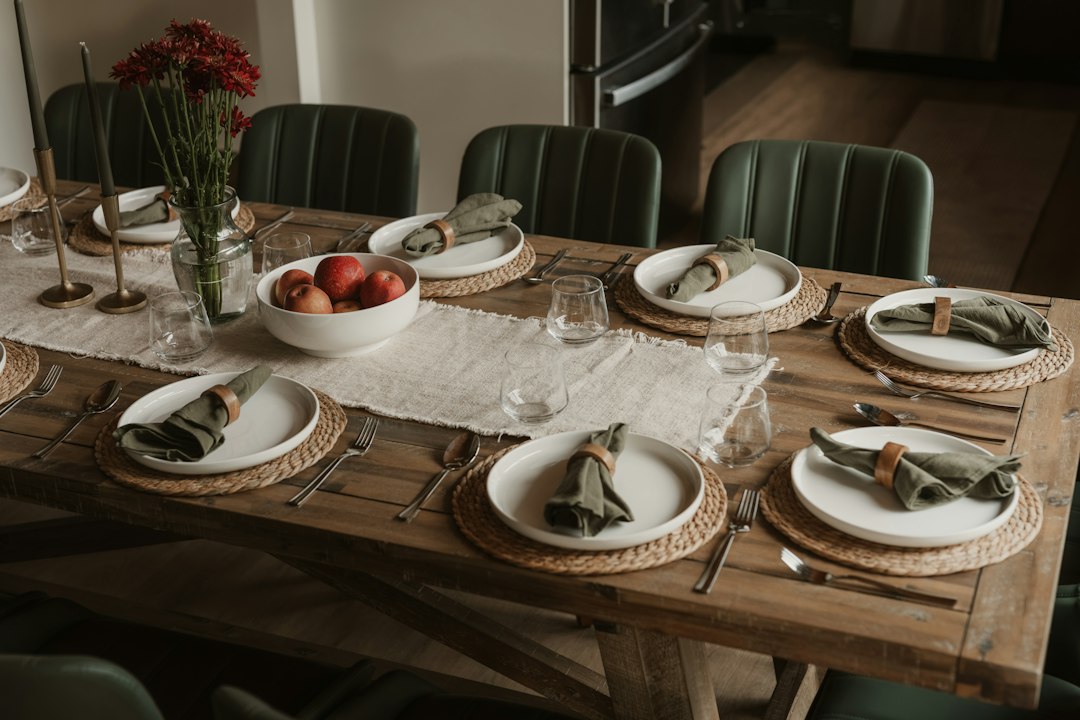
Dining room: make meals feel intentional
Dining rooms benefit from a single statement pendant or chandelier over the table with a dimmer.
- Height: hang chandelier 30–36 inches above table for standard ceilings; increase slightly for taller ceilings.
- Scale: fixture width should be about half to two-thirds the table width for balanced proportion.
- Color temp: 2700–3000K for warm, flattering light.
- Layering: add wall sconces or a buffet lamp if you want ambient glow while eating without bright overheads.
Bedrooms need comfortable ambient light with task options for reading and dressing.
- Ambient: a ceiling fixture or recessed lights on a dimmer gives flexible general light.
- Bedside task: table lamps or wall-mounted swing-arm fixtures at each nightstand provide 300–500 lumens for reading; use warm 2700K bulbs.
- Closet/vanity: brighter, cooler lights (3000–4000K) in closets or dressing areas make color matching easier.
- Control: bedside dimmers, lamps on separate circuits, or smart bulbs let occupants adjust without getting up.
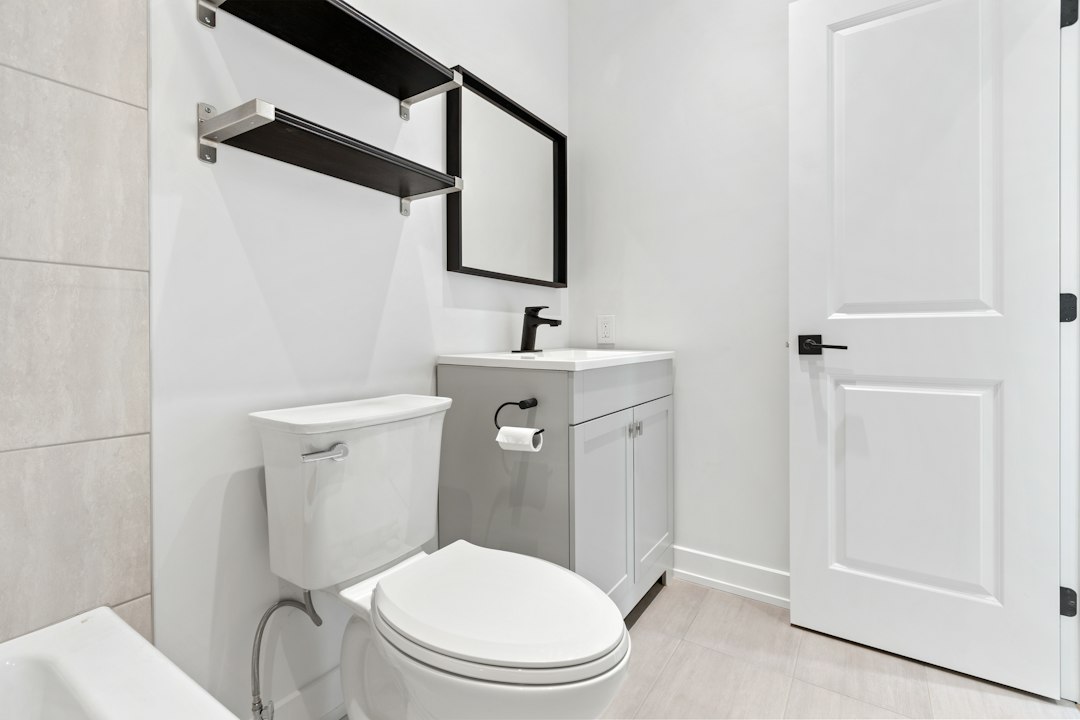
Bathroom: light the face — reduce shadows
Good bathroom lighting is about seeing your face clearly and avoiding shadow from overhead only.
- Vanity: fixture(s) on either side of the mirror at eye level, or a horizontal bar above the mirror, give even illumination; aim for 1,000–2,000 lumens for the vanity area.
- Ambient: recessed fixtures or a ceiling light provide overall brightness for safety.
- Color temp: 3000–4000K gives natural skin tones for grooming tasks.
- Safety: fixtures near water need appropriate IP or damp/wet ratings.
Home office and study: reduce eye strain and increase focus
Task lighting and glare control matter more than fixture style in workspaces.
- Desk lamp: choose an adjustable lamp with focused, flicker-free LEDs and CRI of 90+ if color accuracy matters; place it on the side opposite your dominant hand to reduce shadows.
- Ambient: moderate overall light reduces contrast and eye strain—combine overhead ambient with task light.
- Color temp: 3500–5000K supports alertness; 4000K is a balanced starting point for most home offices.
Hallways, stairs and entryways: safety first, style second
These transitional zones need even, glare-free illumination to prevent trips and to welcome visitors.
- Use wall sconces, recessed lights or a small pendant spaced evenly; avoid a long run lit by a single point source.
- Include motion or dusk sensors for convenience in seldom-used corridors.
- Consider accent lighting to highlight art or architectural details without over-lighting the path.
Practical bulb and control decisions that change everything
Two small choices have outsized impact:
- Choose LEDs for efficiency, lifespan and consistent color; compare lumens and CRI, not watts.
- Install dimmers and layered switching where possible; a single wall switch is the most common frustration with a well-designed scheme.
Recommended product for bedside reading and flexible living-room task light
For bedside and general task lighting where proportion, style and reliable performance matter, a simple ceramic table lamp is a practical, attractive solution.
Common mistakes to avoid
- Relying on a single overhead fixture for every activity in a room.
- Buying bulbs by wattage instead of lumens and color temperature.
- Neglecting controls—no dimmer or separate task switch makes lighting feel fixed and harsh.
- Choosing fixtures that are too large or too small for the room scale.
- List the main activities for each room (reading, cooking, grooming, entertaining).
- Measure key areas and note ceiling heights for fixture scale.
- Decide color temperature zones (warm for lounges, cooler for tasks).
- Plan switches/dimmers and whether smart control is desired.
- Check fixture ratings for damp/wet areas like bathrooms and covered porches.
Choose lighting to serve the room’s primary activities: layer ambient, task and accent light; pick LEDs with the right lumens and color temperature; and add dimmers or multiple switches so each space can adapt.
How many lumens do I need per room?
Target roughly 1,500–3,000 lumens for living rooms, 3,000–5,000 for kitchens (depending on size), and 1,000–2,000 for bathroom vanities; adjust based on ceiling height and surface reflectance.
What color temperature is best for bedrooms?
Warm light (2700–3000K) creates a relaxing atmosphere and is generally best for bedrooms.
Do I need dimmers in every room?
Dimmers are highly recommended for living rooms, dining rooms and bedrooms; in kitchens and bathrooms they’re useful but should be combined with task-specific switches.
How do I avoid glare from pendant lights over an island or table?
Hang pendants at the recommended height (28–36 inches above the surface), choose shades that direct light downward, and use diffused bulbs or internal baffles to cut glare.
What CRI should I look for with LEDs?
A CRI of 90+ is ideal where color accuracy matters (kitchens, bathrooms, artwork); 80–90 is acceptable for general ambient lighting.